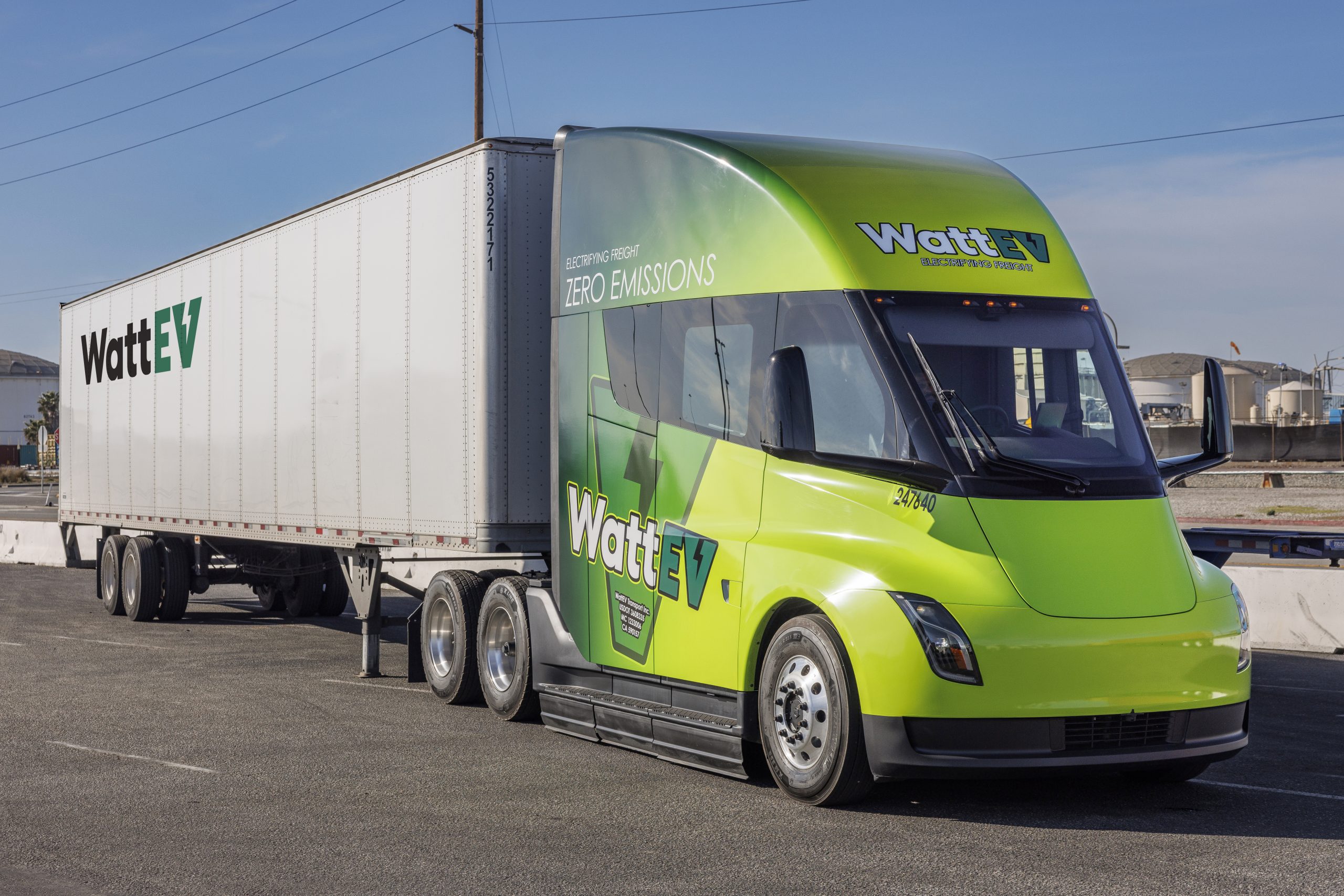
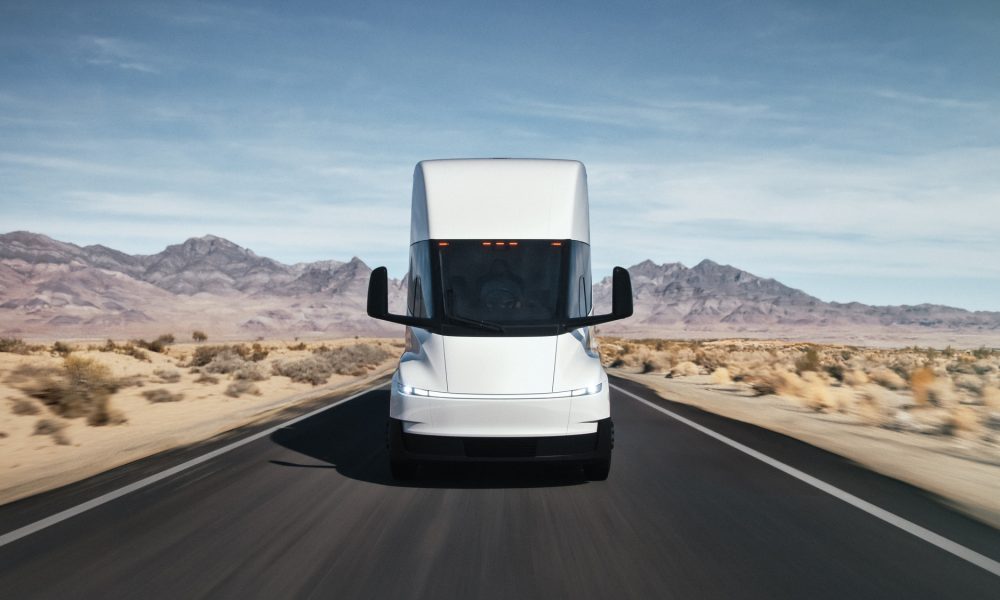
The Golden State has just thrown the gates wide open for the future of freight. In a landmark decision, California has officially authorized the operation of autonomous semi trucks on its roads, creating a massive strategic advantage for Tesla and its long-awaited Tesla Semi program. This regulatory shift, spearheaded by the California Department of Motor Vehicles, removes a critical bottleneck that had previously kept self-driving big rigs off one of the world's most important logistics corridors. For Tesla, which has been positioning the Semi as a revolution in long-haul trucking, this is not just a policy update—it is a green light to deploy its most ambitious commercial vehicle yet.
The Regulatory Breakthrough and Tesla's Timing
For years, California remained a cautious holdout on autonomous trucking, citing safety concerns and the need for extensive testing. However, the new framework allows for Level 4 autonomous operation—meaning no driver is required in the cab—on specific highways and routes. This decision aligns perfectly with Tesla's timeline. The company has been quietly ramping up Semi production at its Nevada Gigafactory, and early customers like PepsiCo and Sysco are already logging real-world miles. With this regulatory door now open, Tesla can accelerate its autonomous driving software, likely leveraging the same Full Self-Driving (FSD) technology adapted for heavy-duty applications. The economic impact is staggering: autonomous Semis could slash shipping costs by up to 30% by eliminating driver wages and maximizing uptime.
What This Means for the Tesla Semi Ecosystem
The move validates Tesla's entire bet on electric, autonomous freight. Without autonomous capability, the Semi was just a clean but expensive truck. With it, the vehicle becomes a profit-generating asset that can run nearly 24/7. California is home to the Port of Los Angeles and the Port of Long Beach, the busiest container ports in the U.S. The ability to run autonomous Semis on the I-5 corridor between these ports and inland distribution hubs creates a high-value, repeatable route. Tesla is already building out its own Megacharger network specifically for Semis, and this regulatory approval makes that investment far more strategic. Competitors like Daimler and Waymo Via will also benefit, but Tesla owns the vertical integration—batteries, software, charging, and manufacturing—giving it a unique cost and speed advantage.
Implications for Tesla Owners and Investors
For current Tesla investors, this is a clear catalyst. The autonomous Semi program represents a new revenue stream that has been largely undervalued in the stock price. If Tesla can capture even a fraction of the $800 billion U.S. trucking market, it adds a multi-billion dollar business line without requiring a massive new customer base—it simply replaces human-driven trucks with autonomous electric ones. For Tesla owners, this development signals a broader software maturation. The same neural networks and sensor fusion used for autonomous Semis will inevitably trickle down to passenger vehicles, improving FSD performance on consumer cars. However, owners should also watch for potential regulatory backlash; labor unions and safety advocates are already mobilizing to challenge the ruling. In the near term, expect Tesla to announce a specific autonomous Semi route in California within the next six months, likely between the Port of Oakland and a major distribution center in the Central Valley. The future of trucking has just been unshackled, and Tesla is in the driver's seat.