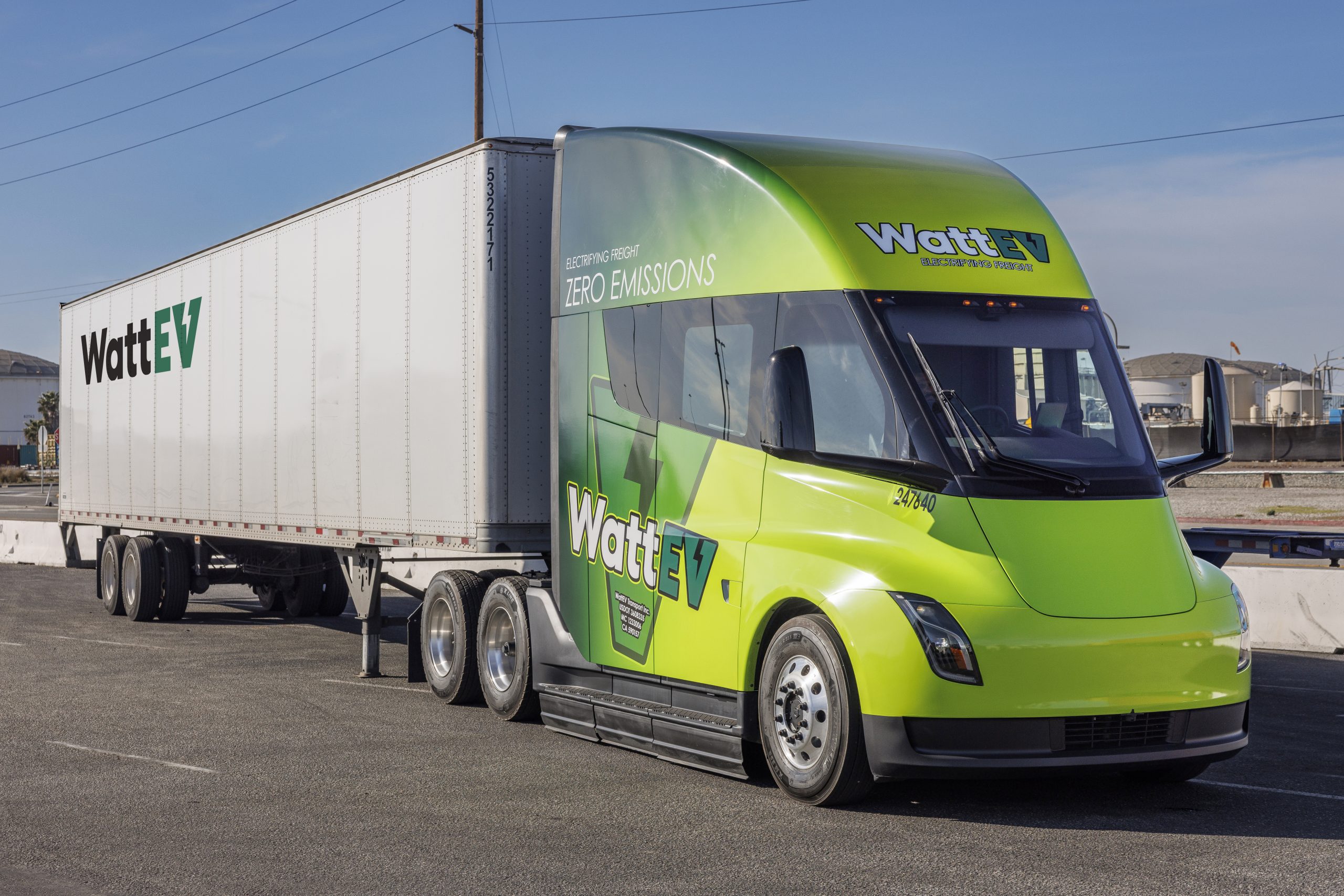
The electric trucking revolution just received its most significant validation yet. In a move that signals a seismic shift in the freight industry, WattEV, a leading provider of electric freight operations and charging infrastructure, has placed a colossal order for 370 Tesla Semi vehicles. This single order, valued at over $100 million, represents one of the largest deployments of electric Class 8 trucks in California history and a resounding vote of confidence in Tesla’s long-haul ambitions.
A Landmark Deal for California’s Green Freight Corridor
WattEV is not merely a trucking company; it is a key architect of the electric vehicle (EV) freight ecosystem, building out the charging networks needed to support heavy-duty transport. By committing to 370 units, the company is effectively betting its entire operational future on the Tesla Semi’s ability to deliver on its promised range and efficiency. This order dwarfs previous commercial commitments and positions WattEV as a dominant player in the zero-emission logistics space. The sheer scale of the deal underscores a growing consensus among fleet operators that battery-electric trucks are not a niche experiment but a viable, scalable replacement for diesel.
Why the Tesla Semi is Winning the Heavy-Duty Race
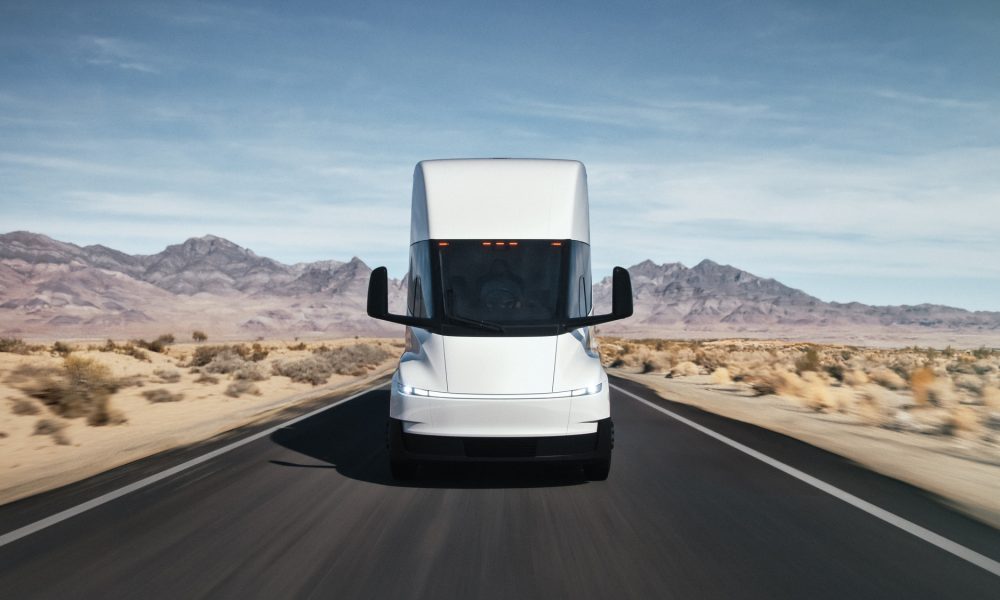
The Tesla Semi’s appeal lies in its radical departure from traditional truck design. With a drag coefficient lower than a supercar and a tri-motor powertrain, it promises 500 miles of range on a single charge—a figure that covers the vast majority of regional and long-haul routes. For WattEV, which operates a growing network of megawatt-level charging stations, the Semi’s ability to charge at speeds exceeding 1 MW is a critical enabler. This allows for minimal downtime during mandatory driver rest periods, effectively solving the “uptime” problem that has plagued earlier electric truck models. The order also signals that Tesla has resolved its production bottlenecks, as delivering 370 trucks requires a mature, high-volume manufacturing process.
Implications for Tesla Owners and Investors
For Tesla investors, this is a clear signal that the company’s commercial vehicle division is accelerating. The $100 million order provides tangible revenue diversification beyond passenger cars, proving that Tesla can penetrate the lucrative but notoriously conservative heavy-truck market. For existing Tesla owners, the ripple effects are equally important. A successful Semi program drives down battery costs through economies of scale, directly benefiting future consumer models like the Cybertruck and next-generation Roadster. Furthermore, the massive deployment of Semis in California will accelerate the build-out of high-power charging infrastructure, which could eventually be shared with passenger vehicles. This order transforms the Tesla Semi from a promising prototype into a certified workhorse—and that changes the math for the entire electric vehicle industry.