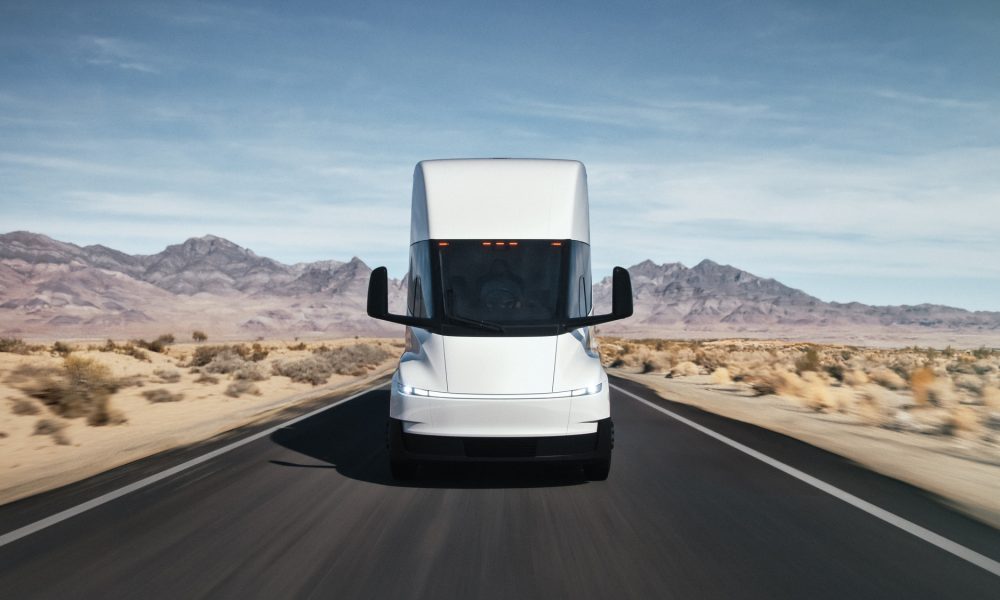
Tesla's Class 8 electric truck is rapidly shifting from a promising prototype to a cornerstone of fleet logistics, as two major new orders signal surging commercial confidence. This week, the Semi program secured its largest known single commitment to date, alongside a significant expansion from an existing customer. These deals underscore a pivotal moment for long-haul electrification, proving that the Tesla Semi is not just viable but increasingly indispensable for cost-conscious, sustainability-driven operators.
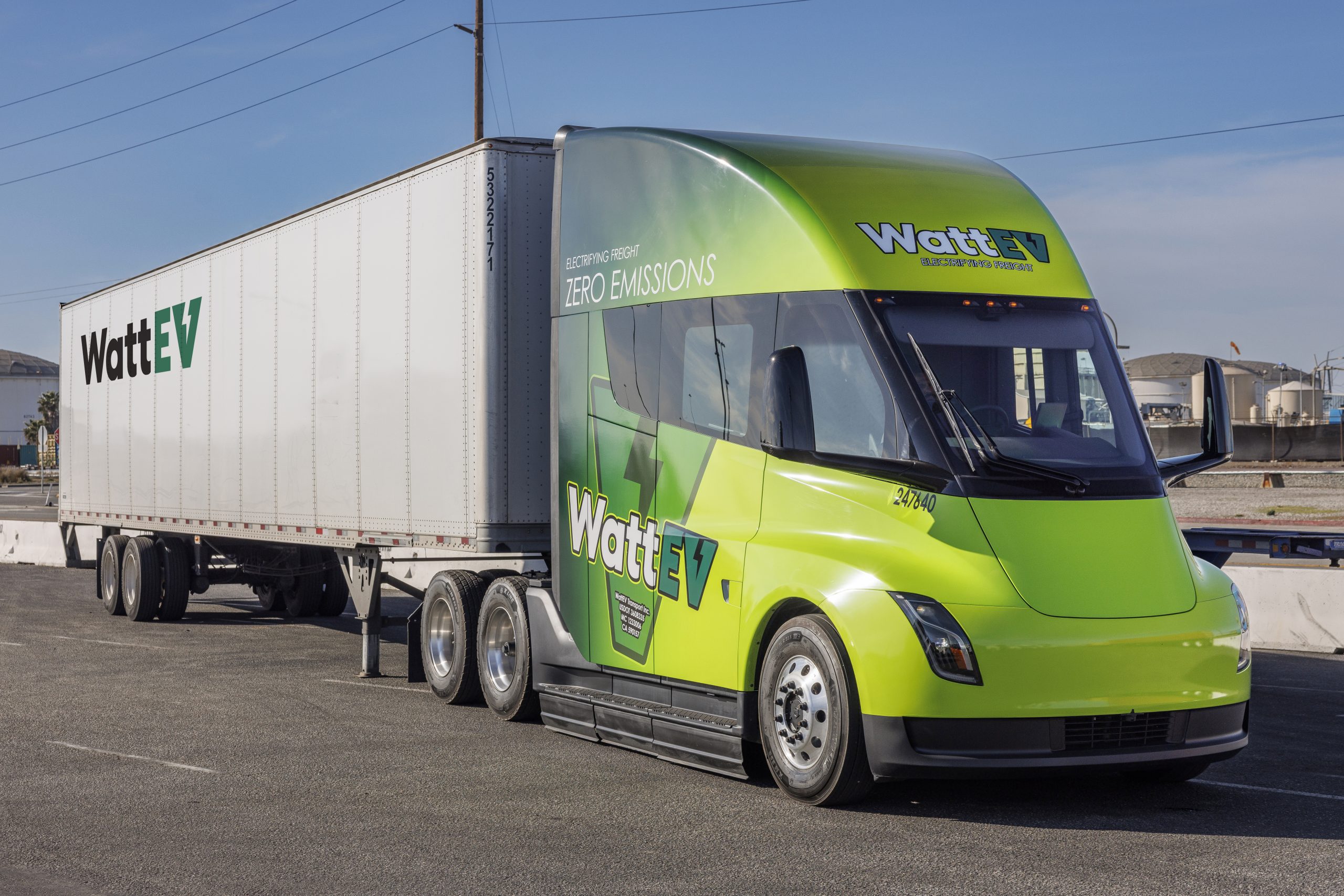
WattEV Places Record-Breaking Order for 370 Tesla Semis
In a move that reshapes the competitive landscape for heavy-duty electric trucks, charging infrastructure developer and fleet operator WattEV has placed an order for 370 Tesla Semis. This is the largest single order publicly disclosed for the program, dwarfing previous bulk commitments from companies like PepsiCo and Sysco. WattEV is not just a fleet buyer; it operates a growing network of megawatt-scale charging stations across California. This order signals a strategic bet that the Semi's efficiency and range—targeting 500 miles on a single charge—will unlock significant operational savings for drayage and regional haul routes. The sheer scale suggests WattEV is preparing to deploy these trucks across multiple customer fleets, leveraging its charging infrastructure to create a turnkey electrification solution.
Nica Expands Fleet, Reinforcing Semi's Reliability
Adding to the momentum, logistics provider Nica has committed to an additional 20 Tesla Semis, building on its earlier pilot program. While smaller in absolute numbers, this order is equally telling. Nica's decision to expand its fleet indicates that real-world testing has validated the truck's performance, durability, and total cost of ownership. For a premium EV news outlet, this repeat business is a stronger vote of confidence than a first-time order. It demonstrates that the Semi is delivering on its promises in demanding commercial environments, where downtime directly impacts revenue. Nica's move also suggests that Tesla has resolved early production bottlenecks and is now capable of fulfilling larger, recurring orders reliably.
What This Means for Tesla Owners and Investors
For current and prospective Tesla investors, these orders are a critical leading indicator. The Semi program is entering a phase where volume production can begin to contribute meaningfully to Tesla's revenue and margin profile. The 370-truck deal from WattEV alone could represent over $100 million in revenue, assuming a base price near $250,000 per unit. For Tesla owners, the expansion of the Semi fleet has a more direct, tangible benefit: it accelerates the buildout of the Megacharger network. These high-power charging stations, designed for trucks, will eventually open to passenger vehicles, potentially reducing charging times for the Cybertruck and future Model S and X variants. Ultimately, these orders prove that the electric vehicle revolution is no longer confined to passenger cars. The Tesla Semi is now a central player in the decarbonization of global freight, and its success will ripple across Tesla's entire ecosystem, from battery production to energy storage.