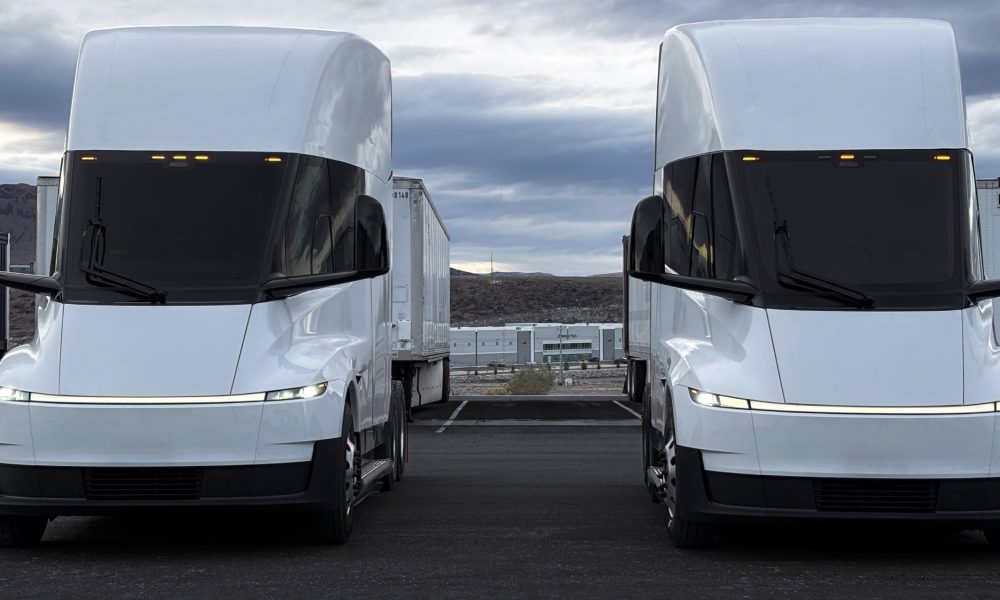
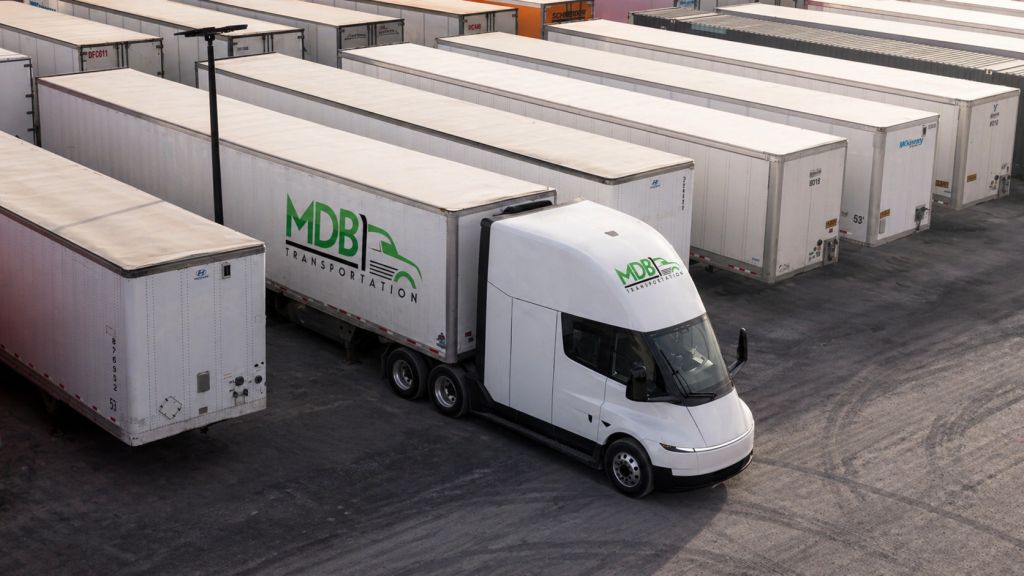
In a major vote of confidence for battery-electric heavy trucking, two California port operators have placed a combined order for 60 Tesla Semi trucks, marking one of the largest fleet commitments yet from the critical drayage sector. The orders, facilitated by charging infrastructure provider Forum Mobility—a company backed by Amazon and CBRE—signal that Tesla’s long-awaited Class 8 truck is finally gaining traction in the short-haul logistics market. This development comes as California regulators tighten emissions rules for port operations, making zero-emission trucks a business imperative for fleets serving the ports of Los Angeles and Long Beach.
Two Major Fleets Commit to Tesla Semi
The bulk of the order comes from Big F Transport, which has committed to 40 Tesla Semi units. Joining them is NICA Container Freight Line, which has ordered 20 of the all-electric trucks. Both fleets specialize in drayage—the short-haul movement of shipping containers to and from marine terminals. These operators will base their electric trucks out of Forum Mobility’s new charging depot currently under development in Rancho Dominguez, California. This depot is designed specifically to support high-volume fleet charging, a critical component for making electric trucks viable in the time-sensitive port environment.
Strategic Pivot for Port Logistics
The timing of these orders is no coincidence. The California Air Resources Board (CARB) has implemented increasingly stringent mandates requiring a transition to zero-emission vehicles in port drayage operations. For fleet operators, the Tesla Semi offers a compelling solution: it promises a range of up to 500 miles on a single charge, which is more than sufficient for the typical daily routes of port trucks. Forum Mobility’s role as an intermediary is crucial here. By providing the charging infrastructure and coordinating fleet adoption, they remove two of the biggest barriers for operators: upfront vehicle cost uncertainty and charging logistics. The 60-truck commitment demonstrates that major drayage players believe the technology is ready for prime time, not just for pilot programs but for core fleet operations.
Implications for Tesla Owners and Investors
For Tesla investors, this order provides tangible evidence that the Semi program is moving beyond the hype phase and into real-world commercial deployment. While production volumes remain modest compared to passenger vehicles, securing a 60-truck order from a single infrastructure partner signals growing institutional confidence in the product’s economics and reliability. For Tesla owners, the expansion of the Semi fleet is an indirect positive: it accelerates the buildout of Tesla’s Megacharger network and drives down battery production costs through economies of scale. More broadly, the success of the Semi in the drayage sector could pave the way for broader adoption across logistics, potentially reshaping the economics of freight transport in the EV era. Both fleet operators and retail investors should watch the Rancho Dominguez depot as a bellwether for how quickly electric heavy trucking can scale in the United States.