#Manufacturing

26 articles
Elon Musk explains why Tesla’s 4680 battery breakthrough is a big deal
Latest Feb 02, 2026

Elon Musk explains why Tesla’s 4680 battery breakthrough is a big deal

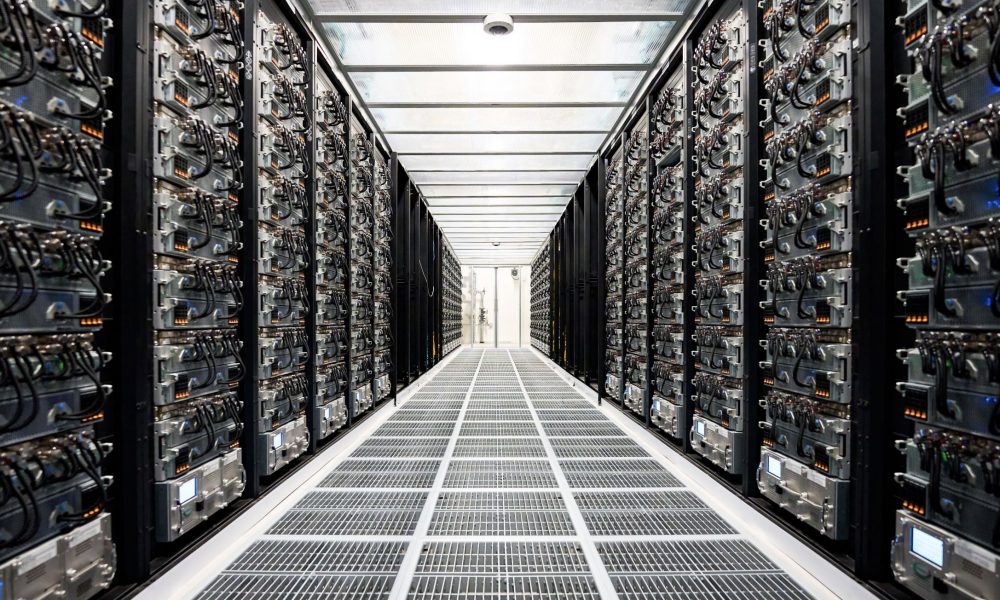
Tesla has confirmed it is now producing its 4680 battery cells using a streamlined dry electrode manufacturing process for both the anode and cathode. This breakthrough is significant because it reduces production costs and complexity, which could lead to more affordable electric vehicles and improved profitability for Tesla. For owners and enthusiasts, this advancement is a key step toward cheaper, longer-range cars and a more scalable battery supply.

Tesla relocates solar panel production to the U.S. at Giga New York
Tesla Energy Feb 02, 2026

Tesla relocates solar panel production to the U.S. at Giga New York

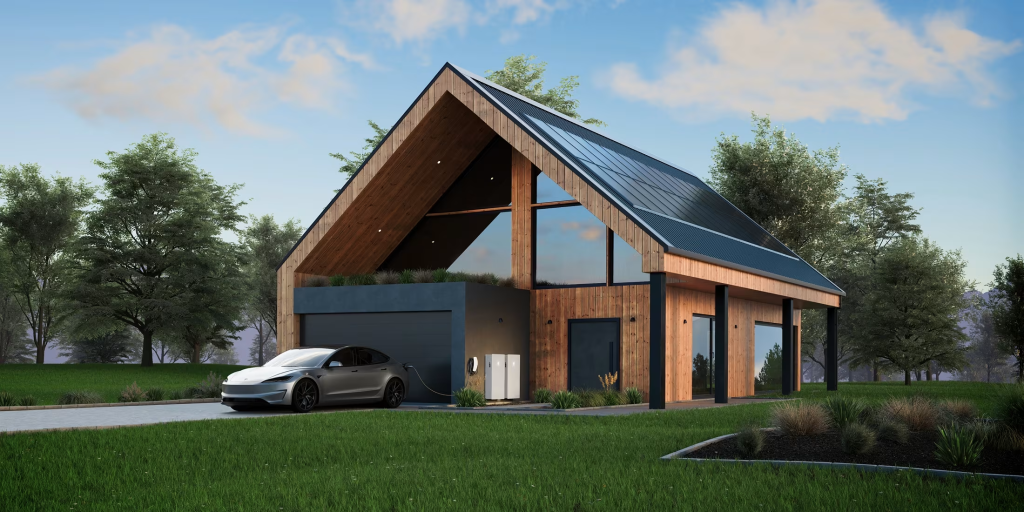
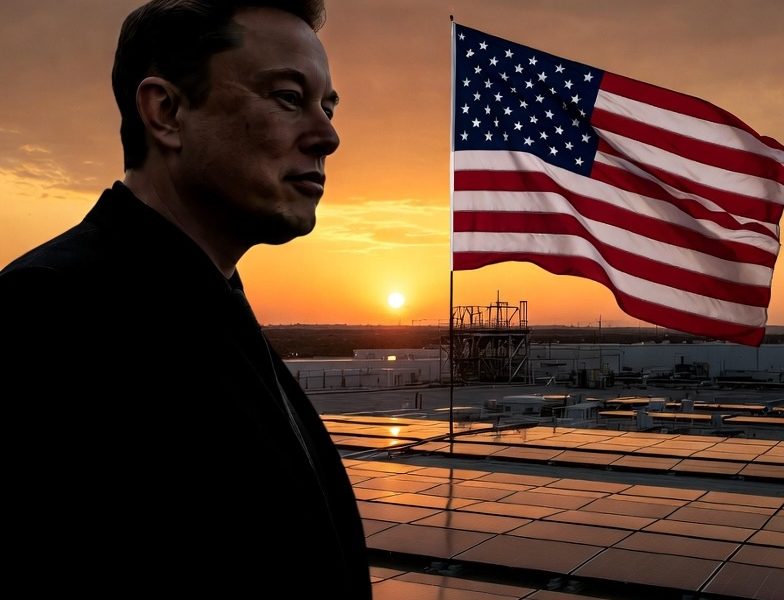
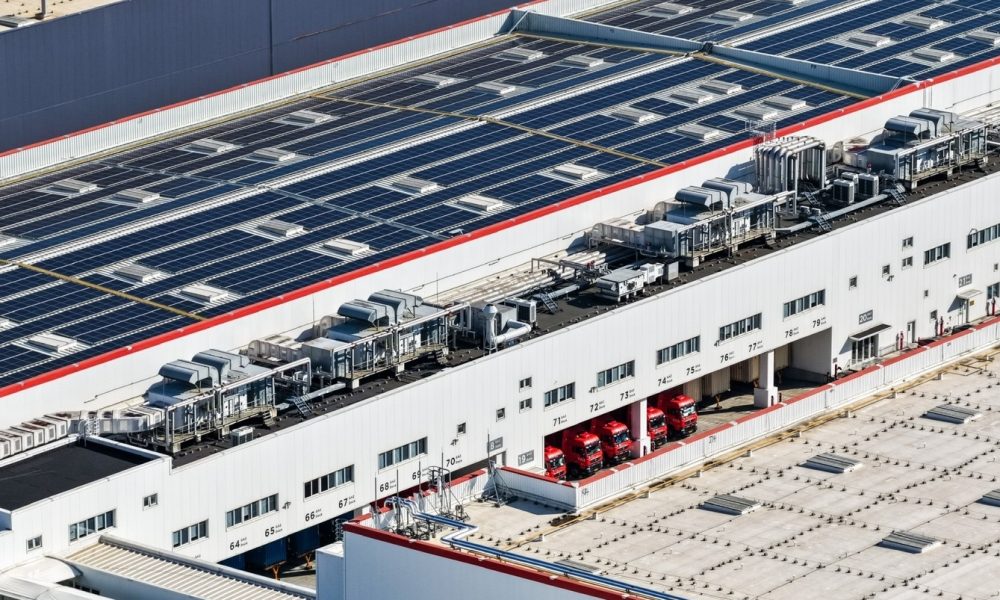
Tesla is shifting its solar panel production to the U.S., ramping up its own manufacturing at Giga New York to an initial 300 MW per year. This move is a key step in Tesla's vertical integration strategy, reducing its reliance on foreign partners. For owners and enthusiasts, it signals a stronger commitment to the solar business and could lead to more streamlined Solar Roof and Powerwall integration.

Tesla Achieves Breakthrough in Large-Scale Dry Electrode Manufacturing
Latest Feb 02, 2026

Tesla Achieves Breakthrough in Large-Scale Dry Electrode Manufacturing

Tesla has successfully overcome the key challenges of large-scale dry electrode manufacturing for its 4680 battery cells, a process once considered impossible to industrialize. This breakthrough means Tesla can produce its next-generation batteries more efficiently and at a lower cost. For owners and enthusiasts, this paves the way for more affordable vehicles with longer range and faster production scaling.

Steel Vs. Aluminum Hoods: What Each Material Does Best (And Worst)
Cybertruck Jan 26, 2026

Steel Vs. Aluminum Hoods: What Each Material Does Best (And Worst)

Tesla has shifted from aluminum to steel for the hoods of its Cybertruck and some Model Y vehicles, prioritizing durability and cost-effectiveness over weight savings. This means owners of these models benefit from increased resistance to dents and lower repair costs, though it may slightly impact overall vehicle efficiency. For enthusiasts, this reflects Tesla's practical engineering choices to balance performance, longevity, and affordability.