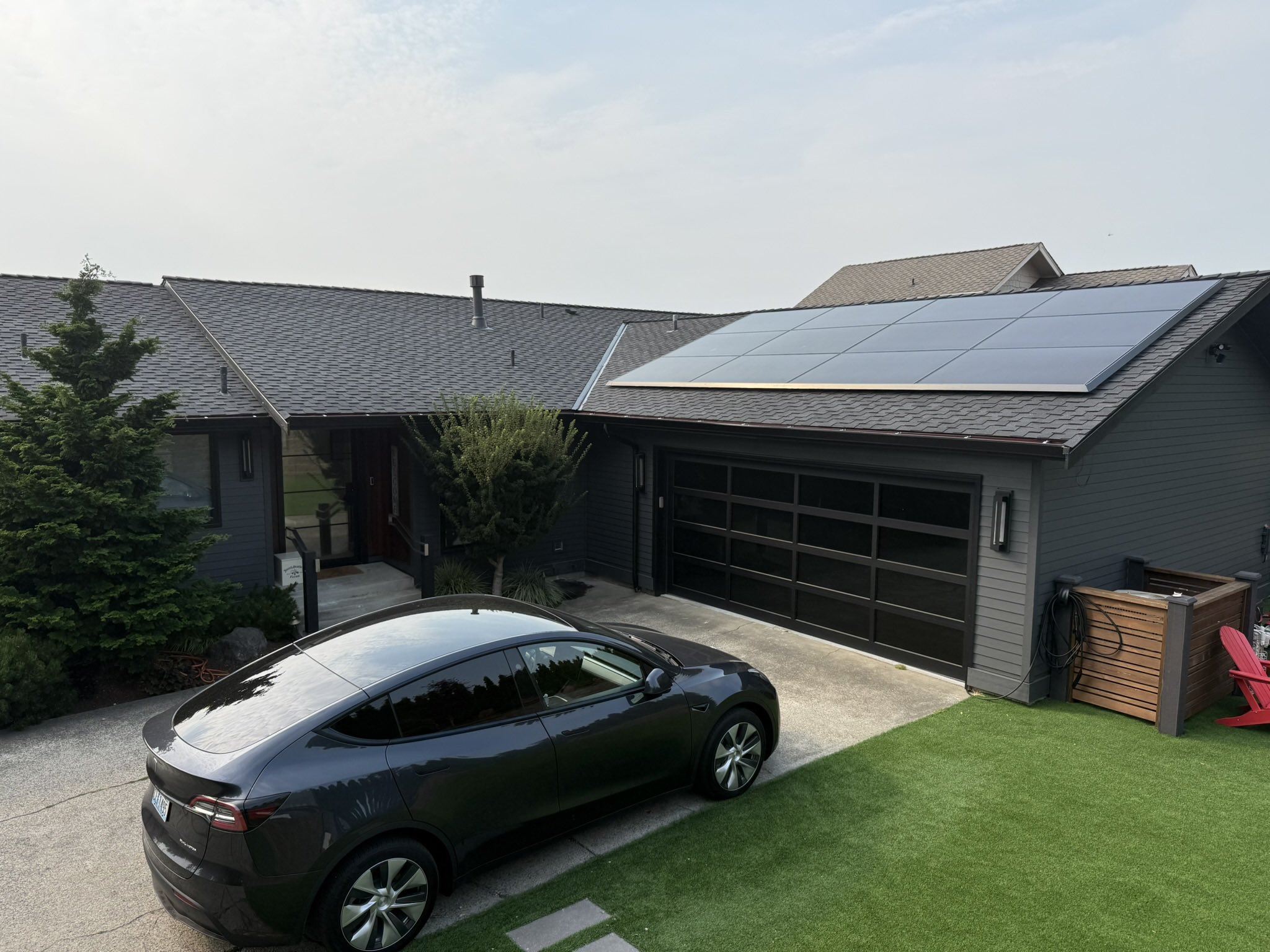
In a strategic pivot that underscores the complex realities of global clean energy supply chains, Tesla is making a massive $2.9 billion bet on Chinese solar manufacturing technology to fuel its ambitions in the United States. This move, centered on acquiring advanced equipment from China, reveals a calculated gambit by Elon Musk to rapidly scale domestic solar production while navigating geopolitical tensions and supply chain dependencies. It’s not an import of finished panels, but a transfer of the industrial "cookbook" itself, aiming to build a self-sufficient American solar future with tools sourced from its primary competitor.
The Strategic Calculus Behind the $2.9 Billion Bet
Tesla’s energy division, while often overshadowed by its electric vehicles, is a critical pillar of Musk’s "sustainable energy" master plan. The acquisition targets specialized Chinese equipment for producing high-efficiency solar cells, a sector where China commands an overwhelming global market share exceeding 80%. By purchasing this machinery, Tesla seeks to leapfrog years of R&D and capital investment, installing state-of-the-art production lines on American soil almost overnight. This strategy directly addresses the Inflation Reduction Act's incentives for domestic manufacturing while attempting to sidestep tariffs and logistics bottlenecks associated with importing complete solar modules.
Navigating Geopolitics and Supply Chain Sovereignty
The decision is fraught with political nuance. On one hand, it accelerates U.S. solar capacity and creates domestic jobs in manufacturing and installation. On the other, it deepens reliance on Chinese technological expertise in a sector deemed critical for national energy security. Tesla’s bet is that controlling the production process domestically—even with foreign-made equipment—ultimately strengthens supply chain resilience. The company is effectively betting that the speed-to-market advantage and scale afforded by this move outweigh the risks of potential future trade restrictions on such equipment, banking on its ability to establish a robust, localized ecosystem before the geopolitical winds shift again.
For Tesla owners and investors, this massive capital allocation signals the company's serious commitment to making its energy business a growth engine comparable to its automotive segment. A successful ramp-up of cost-competitive, U.S.-made solar products could significantly boost Tesla’s overall margins and provide a powerful synergy with its Powerwall and Megapack storage systems. However, the $2.9 billion expenditure also represents a substantial risk, exposing Tesla to execution challenges in standing up complex manufacturing lines and potential political headwinds. The success of this bet will be measured by whether Tesla can achieve the promised cost and efficiency advantages, thereby securing a dominant position in the integrated home and grid-scale energy market of the future.