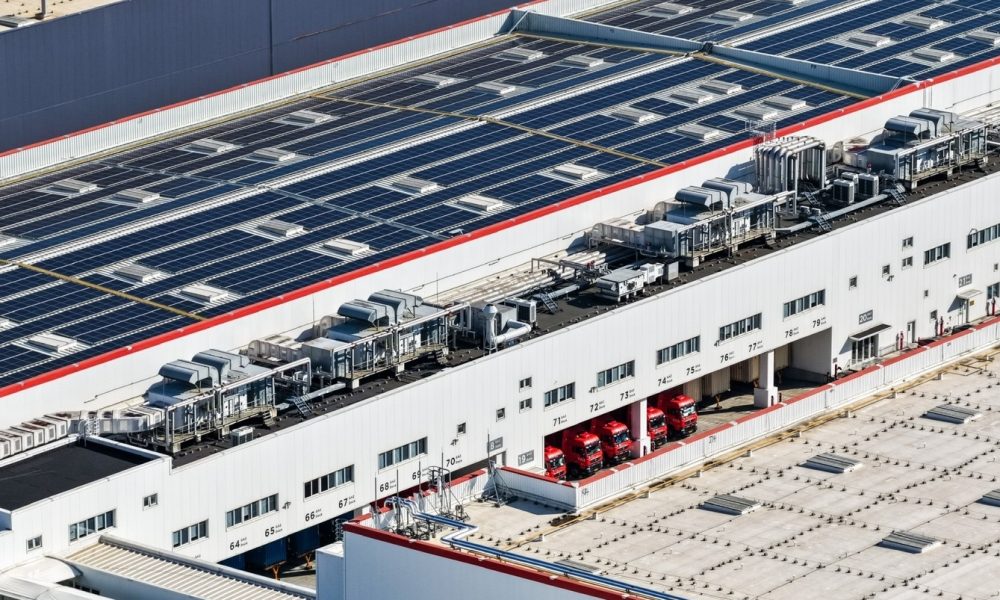
While whispers of softening electric vehicle demand echo through some global markets, Tesla's pivotal Gigafactory Shanghai has delivered a powerful counter-narrative. According to data from the China Passenger Car Association (CPCA) shared by industry observers, Tesla's Shanghai plant recorded 60,365 wholesale vehicle shipments in February, marking a significant year-over-year increase and a robust rebound from January's figures. This performance underscores the factory's critical role as Tesla's export hub and its resilience in the face of intense domestic competition.
Decoding the February Surge
The reported 60,365 vehicles shipped from Shanghai represent a substantial jump from the 39,881 units recorded in January 2024. While February's numbers typically benefit from the post-Lunar New Year holiday production ramp-up, the year-over-year growth remains a key positive indicator. This surge is largely attributed to the factory's scheduled production cycles, which often prioritize export volumes in the first half of a quarter to supply markets like Europe and Asia-Pacific. The data suggests that despite a price war with dozens of local EV manufacturers, Tesla's production efficiency and global demand for the Made-in-China Model 3 and Model Y continue to hold strong.
The Strategic Role of Gigafactory Shanghai
Gigafactory Shanghai is not just another production facility; it is Tesla's most productive plant and its primary vehicle export center globally. Its strategic importance cannot be overstated. By manufacturing vehicles locally, Tesla avoids hefty import tariffs and can competitively price its cars in the world's largest electric vehicle market. Furthermore, the cost efficiencies and scale achieved in Shanghai directly benefit Tesla's global margins. The plant's ability to consistently output high volumes, even during a traditionally slower month, demonstrates a mature and optimized manufacturing operation that is central to the company's overall logistics and financial health.
This strong showing comes amidst a fiercely competitive landscape where Chinese automakers like BYD are aggressively vying for market share. Tesla's response has included strategic price adjustments and incentives, but the February wholesale numbers indicate that its brand appeal and product strength continue to drive substantial volume. The CPCA data, while preliminary, offers a crucial early snapshot of quarterly performance, suggesting that Tesla's first-quarter delivery totals may receive a solid foundation from its Chinese exports.
For Tesla owners and investors, the Shanghai output is a vital barometer of operational execution and demand elasticity. Consistent strength in China helps mitigate concerns about demand saturation in other regions and supports overall quarterly delivery targets. Investors will watch closely to see if this export momentum continues into March, which would solidify a strong Q1 finish. For owners, particularly in Europe, efficient Shanghai production translates to shorter delivery wait times for new vehicles. Ultimately, Gigafactory Shanghai's performance remains a cornerstone of Tesla's global strategy, proving that even in the most competitive arena, the company can execute at scale.