In a move that will redefine the boundaries of automotive and artificial intelligence manufacturing, Tesla is poised to launch its most ambitious vertical integration project yet: the Terafab. This colossal, $20 billion AI chip fabrication facility represents a strategic leap beyond vehicle assembly, aiming to bring the entire silicon supply chain in-house. For a company already known for upending conventions, the Terafab is not merely a factory; it's a declaration of technological sovereignty that promises to reshape the competitive landscape of the entire auto industry.
The Terafab Blueprint: Beyond Foundry, Beyond Cars
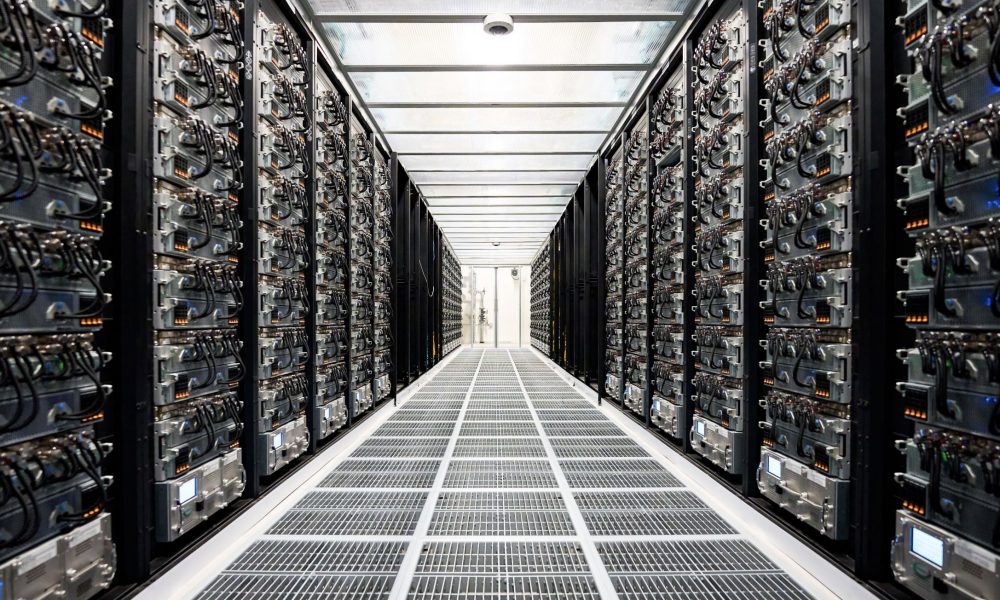
The Terafab Project is far more than a traditional semiconductor foundry. Tesla's vision is for a vertically integrated chip fabrication powerhouse that consolidates logic processing, memory, and advanced packaging under one roof. This holistic approach is designed to break the bottlenecks of the global chip supply chain, which has plagued automakers for years. By controlling every nanometer of its most critical component—the AI brains for Full Self-Driving, Dojo supercomputing, and future robotics—Tesla seeks an unassailable advantage in performance, cost, and iterative speed. The facility is expected to produce next-generation silicon tailored explicitly for Tesla's neural network workloads, a level of specialization external suppliers cannot match.
Strategic Implications: A New Era of Vertical Integration
This monumental investment signals a fundamental shift in how a car company defines itself. While rivals scramble to secure capacity from TSMC or Samsung, Tesla is building its own. The Terafab directly addresses two existential priorities: securing the silicon lifeline for its autonomous vehicle ambitions and creating a potentially lucrative new business unit. The chips produced could power everything from the Optimus robot to Tesla's energy storage systems, creating a synergistic ecosystem. Furthermore, by mastering advanced packaging—the art of combining different chiplets into a single powerful unit—Tesla can achieve performance gains that keep its AI systems years ahead of the competition, making its vehicles and software products fundamentally more capable.
The ripple effects for the broader EV and tech sectors are profound. Tesla's move pressures other automakers to reconsider their own semiconductor strategies, potentially accelerating industry-wide investments in chip design and production. It also positions Tesla not just as a carmaker, but as a premier AI hardware company, competing in a sphere dominated by giants like NVIDIA and Intel. The success of the Terafab could see Tesla selling its proprietary silicon or offering fabrication services, much like its Supercharger network evolved into a new revenue stream.
For Tesla owners and investors, the Terafab is a high-stakes bet with transformative potential. Owners can expect accelerated development cycles for Full Self-Driving and vehicle intelligence, as Tesla gains the ability to rapidly prototype and deploy new silicon. For investors, the $20 billion outlay is a testament to long-term ambition, reducing strategic vulnerability and opening future revenue streams in the trillion-dollar semiconductor market. However, it also introduces execution risk in a notoriously complex and capital-intensive field. The Terafab's success will hinge on Tesla's ability to attract top talent and navigate the intricate physics of nanometer-scale manufacturing—a challenge even for seasoned players. If successful, it will cement Tesla's lead not for the next model year, but for the next decade.