The concept of a unified corporate empire under Elon Musk has long been a topic of speculative fascination. Yet, recent strategic moves and Musk's own philosophical leanings suggest the idea of a consolidated X Holdings is evolving from a thought experiment into a plausible, albeit complex, corporate endgame. This potential merger of Tesla, SpaceX, xAI, X (formerly Twitter), and Neuralink would not merely create another conglomerate; it would forge the world's first integrated ecosystem spanning physical, digital, and cognitive frontiers, potentially becoming the most influential corporate entity in modern history.
The Architecture of a Super-Conglomerate
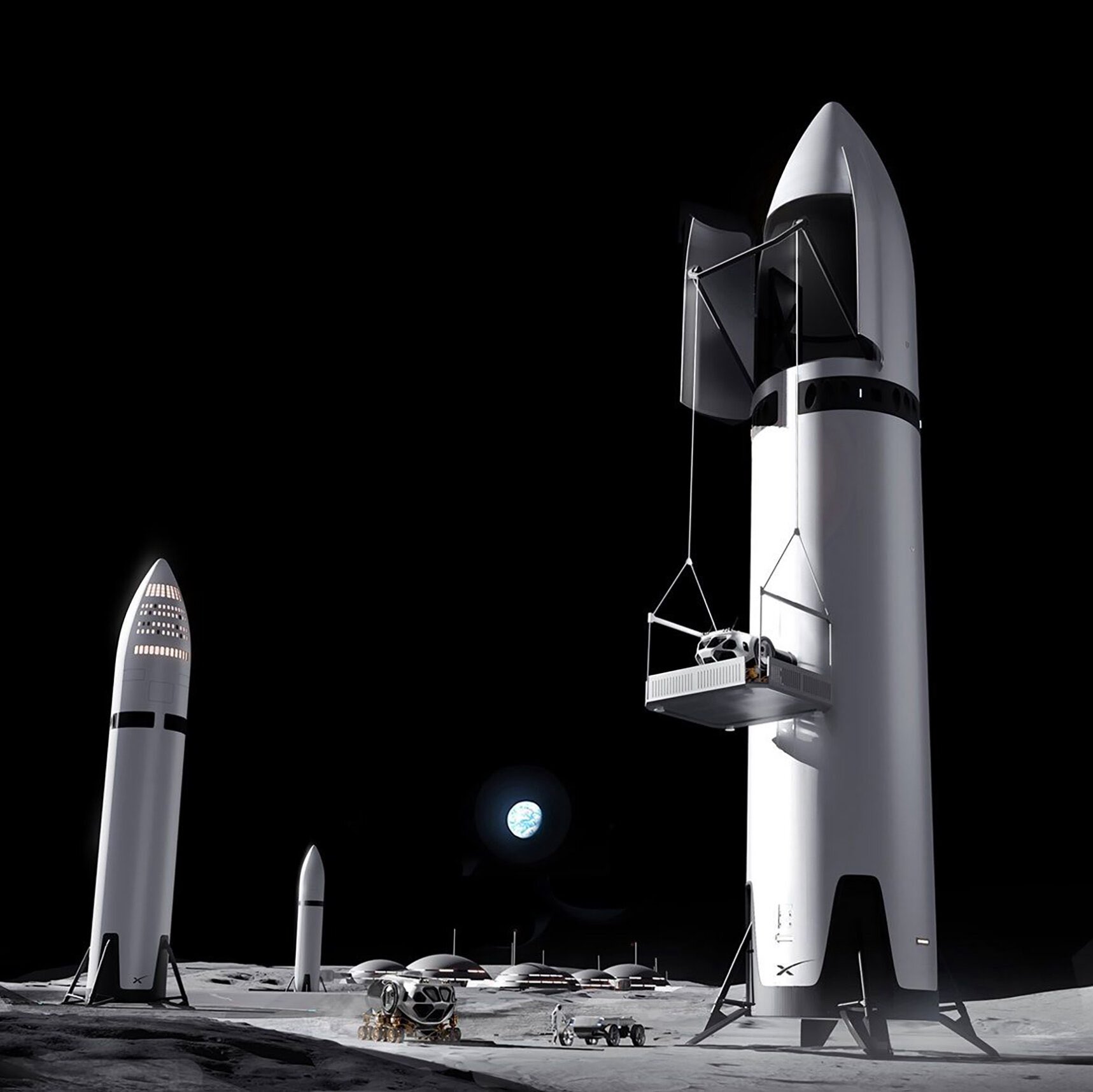
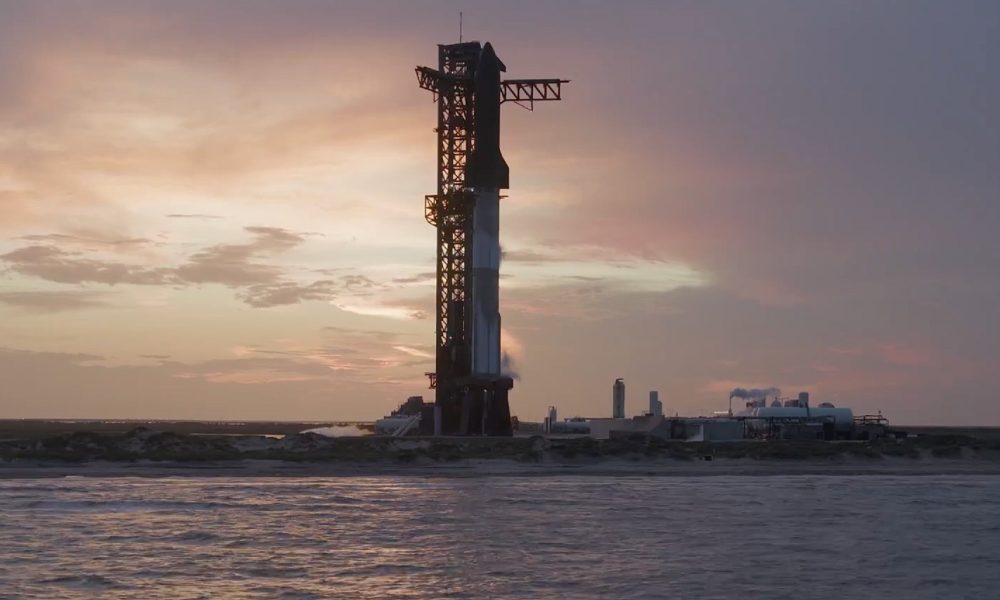
Unlike traditional holding companies, a Musk-led X Holdings would be architected for deep technological synergy. Tesla's real-world AI and battery platforms could merge with xAI's frontier models and X's real-time data firehose, creating a closed-loop system for autonomous machine learning. SpaceX's Starlink constellation and global connectivity would provide the foundational data pipeline, while its launch capabilities could support future off-planet infrastructure. Neuralink, though earlier stage, represents the ultimate human-machine interface endpoint. The combined entity's value would be exponentially greater than the sum of its parts, driven by unparalleled data exchange and R&D cross-pollination.
Unprecedented Financial and Regulatory Frontiers
The financial mechanics of such a merger are staggering. Combining the market capitalizations of Tesla and SpaceX alone would instantly create a corporate behemoth valued in the trillions. However, the path is fraught with monumental hurdles. Regulatory bodies worldwide would scrutinize the concentration of power across automotive, aerospace, social media, and artificial intelligence. Antitrust concerns would be unprecedented, potentially leading to forced divestitures or strict operational firewalls. Furthermore, the challenge of harmonizing the distinct cultures, risk profiles, and capital needs of a rocket company with a social media platform and an EV manufacturer cannot be overstated.
For Tesla, integration into X Holdings presents a dual-edged sword. On one hand, it would secure access to cheaper capital from more mature cash flows within the ecosystem and accelerate its AI and robotics ambitions through direct collaboration with xAI. On the other, it risks diluting Tesla's focused mission and exposing its stock to the volatilities and controversies of Musk's other ventures. The autonomy of Tesla's board and its accountability to pure-play electric vehicle investors could be fundamentally altered.
The implications for the global stage are profound. A fully realized X Holdings would command influence over transportation, communication, energy, and information—the core pillars of modern society. It could set de facto standards for AI development, data governance, and even space-based commerce. This concentration of capability in a privately-controlled entity raises critical questions about market competition, geopolitical leverage, and the very nature of corporate power in the 21st century.
For Tesla owners and investors, the specter of X Holdings necessitates close attention to corporate governance and strategic announcements. A merger could unlock immense value through synergy, but it also introduces new layers of risk and complexity. Investors must weigh the potential for accelerated innovation against the dangers of over-extension and regulatory backlash. The decision, if it ever materializes, will redefine what it means to hold a stake not just in a car company, but in a foundational pillar of the future itself.