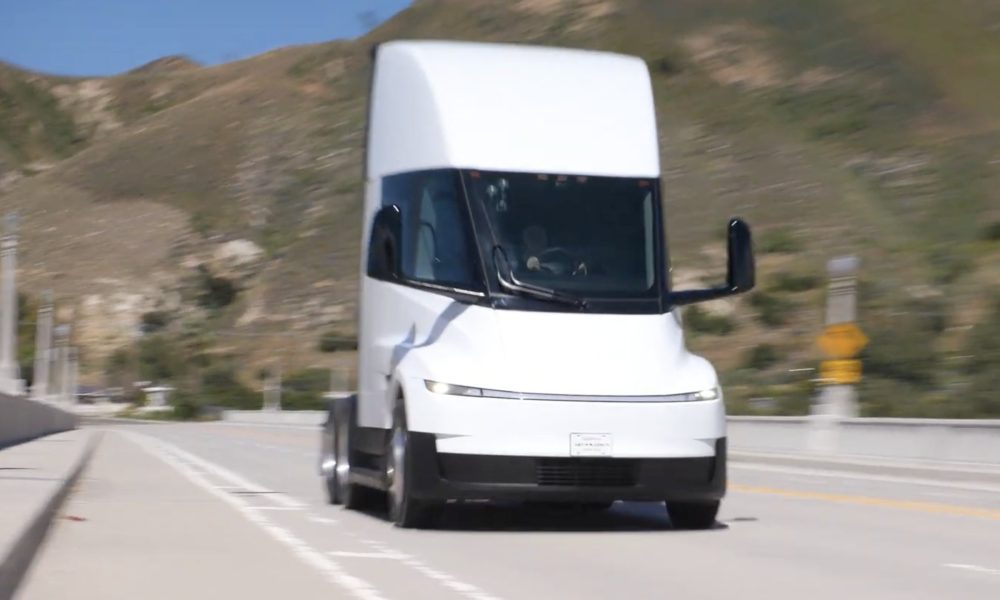
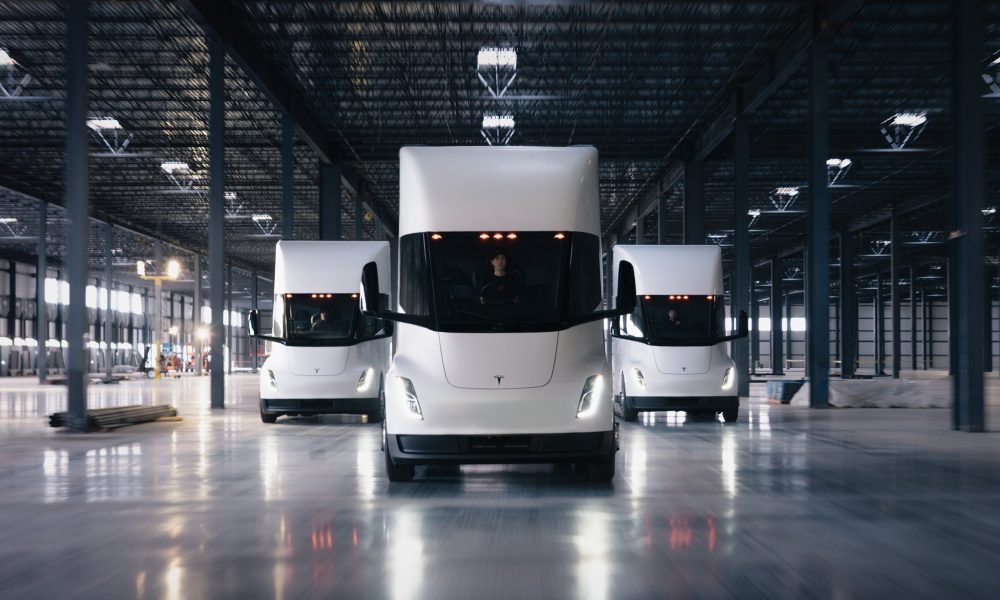
After years of anticipation and a meticulously documented pilot program with high-profile partners like PepsiCo, Tesla has taken the definitive step toward commercializing its most audacious vehicle yet. The company has quietly but decisively updated the official Tesla Semi webpage, locking in the final production specifications for its all-electric Class 8 hauler. This move, a clear precursor to the start of meaningful customer deliveries, confirms the truck will launch with two distinct trim levels: a Standard Range and a Long Range model, each engineered to dismantle the economic and operational arguments against electric freight.
Final Specs Reveal a Focus on Real-World Utility
The updated specifications provide the clearest picture yet of what fleet managers can expect. Both trims maintain the Semi's staggering performance claims, including the ability to sustain 65 mph up a 5% grade—a scenario where diesel trucks dramatically lose speed and efficiency. Crucially, Tesla has now formalized the range figures. The Standard Range model is confirmed for 300 miles on a single charge, while the Long Range variant pushes the boundary to an impressive 500 miles. This tiered approach allows fleets to match the vehicle to specific duty cycles, with the 300-mile version ideal for regional hauls and drayage, and the 500-mile truck targeting longer, more demanding routes.
The Economics of Charging and "Megacharging"
Beyond range, Tesla has solidified the numbers around the Semi's revolutionary energy consumption and charging infrastructure. The company states the Semi achieves less than 2 kWh per mile, a figure that translates to significant fuel cost savings over diesel. For charging, Tesla confirms the use of its proprietary Megacharger network. These chargers are capable of adding up to 70% range in just 30 minutes, a critical metric for maintaining high fleet utilization. This fast-charging capability, paired with the vehicle's low energy consumption, forms the core of Tesla's value proposition: lower operating costs without sacrificing uptime.
The decision to launch with two trims is a strategic masterstroke in the commercial vehicle sector. It directly addresses the diverse needs of the freight industry, offering a lower upfront cost option for predictable, shorter routes while providing a technologically bold solution for longer hauls. This flexibility is essential for widespread adoption. Furthermore, the finalization of these specs signals that Tesla's engineering and supply chain teams have converged on a production-ready design, moving beyond the limited-run "Founders Series" trucks delivered in late 2022.
For Tesla investors, the Semi's transition to customer deliveries opens a new, high-margin revenue stream in the lucrative commercial transport market. It also represents a powerful validation of Tesla's core EV technology at scale. For fleet owners and operators, the calculus is now concrete. The promise of drastically reduced energy and maintenance costs, coupled with definitive performance and charging specs, provides the hard data needed for procurement decisions. As the first customer Semis roll out, the entire transportation industry will be watching to see if Tesla can once again redefine a sector, proving that electric vehicles can handle the toughest jobs on the road.