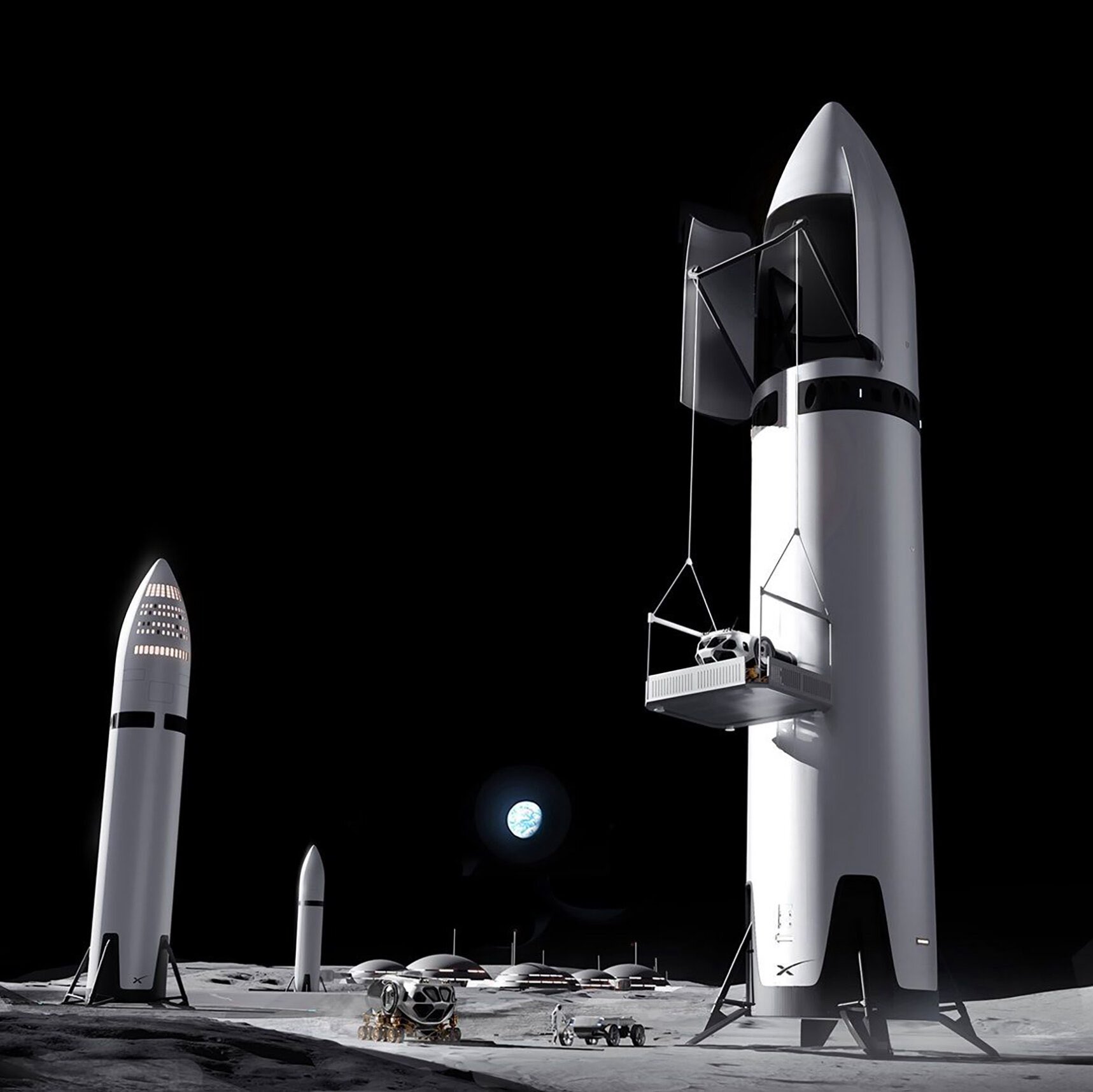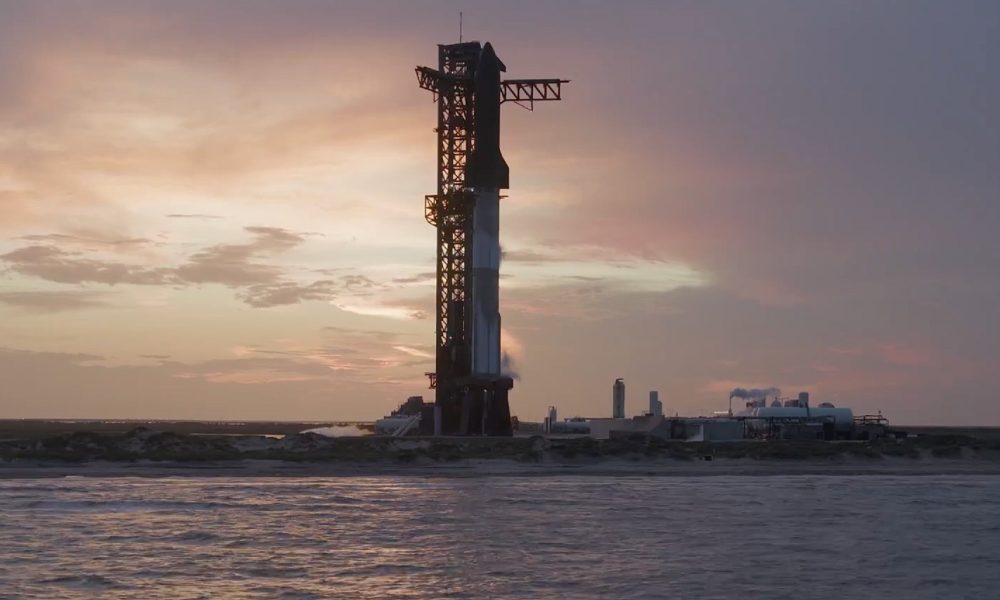
In a strategic move that underscores the vertical integration ambitions of Elon Musk's industrial empire, SpaceX has secured a deal to acquire the aerospace division of Hexagon Purus. This acquisition is not merely an expansion of SpaceX's supplier list; it is a calculated play to internalize critical manufacturing technology for pressure vessels, a core component for both spacecraft and, tellingly, next-generation vehicles. The transaction signals a deepening of in-house capability that could ripple across the entire Musk ecosystem, with potential implications for the pace of innovation at Tesla and the future of sustainable transportation.
Securing the Core: The Pressure Vessel Imperative
The heart of this deal lies in the mastery of composite pressure vessel technology. These vessels are high-strength, lightweight containers essential for storing gases under immense pressure. For SpaceX, they are indispensable for spacecraft life support and propulsion systems. By bringing this specialized manufacturing expertise under its direct control, SpaceX gains tighter command over its supply chain, quality, and production timelines for its Starship program and other ventures. This vertical integration model is a hallmark of Musk's companies, designed to accelerate development cycles and reduce reliance on external suppliers for mission-critical components.
Aerospace Precision Meets Automotive Scale
While the immediate application is for aerospace, the technological crossover to the electric vehicle sector is profound. Composite pressure vessels are the key enabling technology for hydrogen fuel cells and could play a role in future innovations for battery or other energy storage systems. Tesla has historically focused on battery-electric powertrains, but the acquisition of this high-tech manufacturing base within the broader Musk portfolio creates a fascinating strategic option. It provides a ready-made, advanced materials engineering team that could be leveraged if Tesla ever ventures into new energy storage paradigms or requires advanced composite solutions for its vehicles or Cybertruck program.
For Tesla owners and investors, this move is a reminder of the unparalleled synergistic advantage of the Musk ecosystem. The flow of manufacturing knowledge, materials science, and production-line innovation between SpaceX and Tesla has been a one-way street accelerating Tesla's lead. The internalization of cutting-edge composite manufacturing strengthens this pipeline. In the near term, it reinforces the companies' shared focus on manufacturing as the fundamental competitive moat. Longer-term, it positions the entire portfolio to pivot rapidly into adjacent advanced transportation and energy fields, ensuring that Tesla's roadmap has access to the most advanced foundational technologies available, potentially at a speed and cost competitors cannot match.