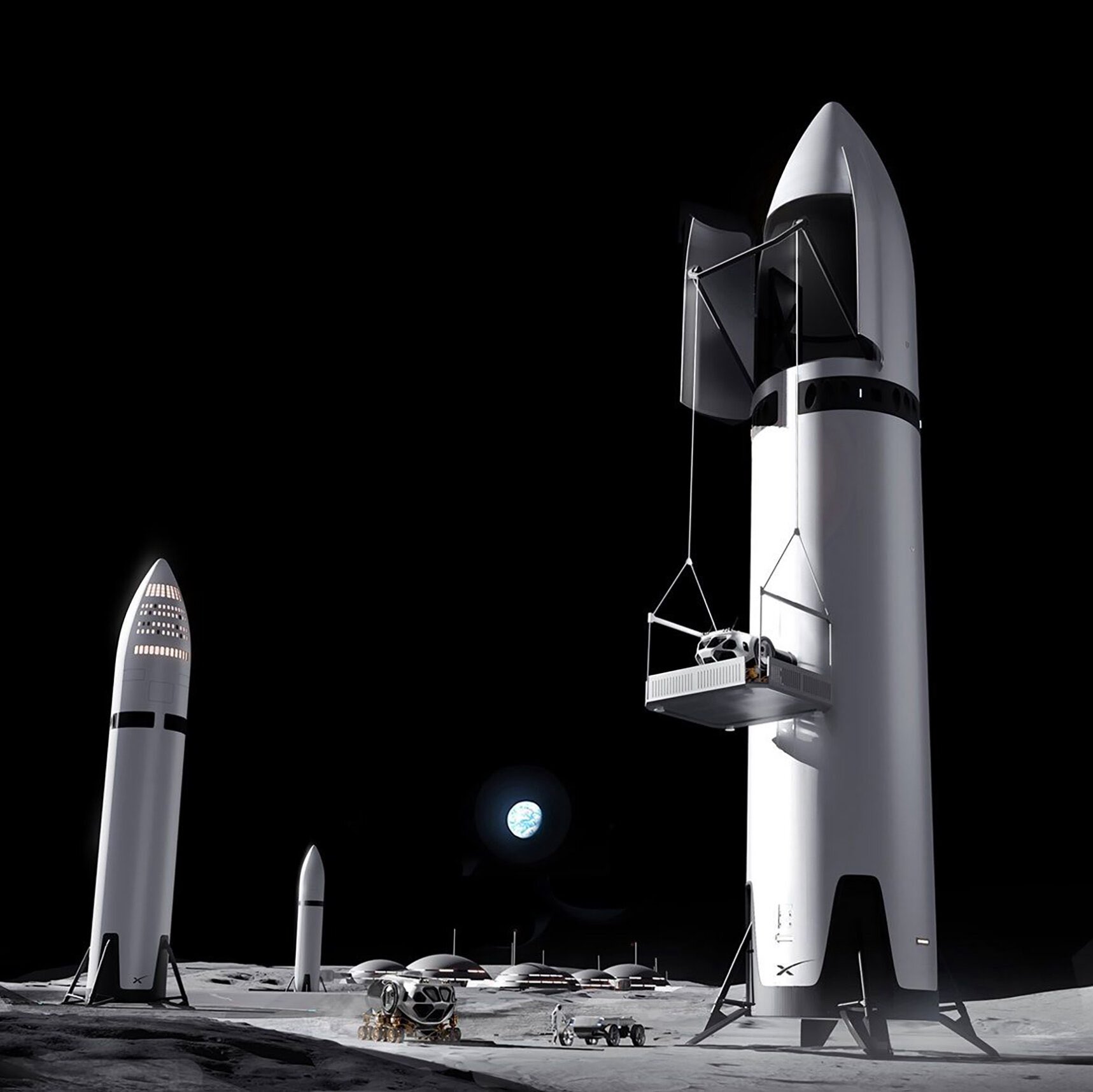
In a strategic pivot that reshapes the future of space exploration, Elon Musk has declared that SpaceX is now concentrating its formidable resources on building a self-sustaining city on the Moon before tackling the colonization of Mars. This marks a profound shift for the visionary, who has long framed the Red Planet as humanity's ultimate existential backup plan. The new directive positions Earth's closest celestial neighbor not as a mere waypoint, but as the proving ground and potential headquarters for our species' multi-planetary insurance policy.
The Lunar Proving Ground: A Pragmatic First Step
While Mars has captured the public imagination, Musk's revised timeline underscores a starkly pragmatic calculus. The Moon, with its three-day transit time versus several months to Mars, offers a radically more accessible testbed. Establishing a permanent lunar base allows SpaceX to iterate on critical technologies—like life support systems, in-situ resource utilization (ISRU), and closed-loop habitats—with far lower risk and cost. Successes and failures can be addressed with relative speed, a luxury not afforded by the vast distance to Mars. This "Moon-first" strategy transforms the Artemis-era lunar ambitions of NASA and international partners into a direct stepping stone toward Musk's interplanetary vision.
Reframing the "Multi-Planetary Species" Mandate
This pivot also refines the very definition of becoming a multi-planetary species. A self-sufficient lunar city would represent humanity's first truly independent settlement beyond Earth, a monumental achievement in its own right. Musk has hinted that the Moon could serve as a more effective "lifeboat" than distant Mars in certain catastrophe scenarios due to its proximity. Furthermore, mastering the lunar environment—with its abrasive dust, extreme temperature swings, and low gravity—provides invaluable lessons for surviving on any other rocky body. The goalposts haven't moved, but the path to reaching them has been strategically reconfigured for higher probability of success.
The implications for SpaceX's engineering roadmap are immediate. While Starship remains the central workhorse, its lunar variant will take clear precedence. Development of technologies to harvest lunar water ice for fuel and oxygen, construct durable habitats, and generate power during the long lunar night will accelerate. This focus may also influence the design of future spacecraft, prioritizing capabilities needed for the cis-lunar economy. The move aligns SpaceX more closely with near-term NASA contracts and potential international partnerships, creating a more stable funding ecosystem for its grander ambitions.
Implications for Tesla and the Terrestrial Tech Ecosystem
For Tesla investors and owners, this lunar focus is not a divergence but a potential amplifier of core competencies. The challenges of a Moon base—extreme energy storage, autonomous robotics, solar power efficiency, and advanced material science—directly parallel Tesla's terrestrial R&D in batteries, AI, and sustainable infrastructure. Breakthroughs forged in the harsh lunar environment could cascade back to Earth, accelerating innovations in Tesla's energy products and even future vehicle platforms. Moreover, a successful, high-profile lunar city would solidify the Musk ecosystem's brand as the definitive leader in solving humanity's toughest technological challenges, casting a halo over all its companies, including Tesla.
Elon Musk's "Moon First" declaration is a masterclass in adaptive ambition. It tempers the awe-inspiring dream of Mars with the hard-won wisdom of an engineer: conquer the nearest frontier first. By establishing a permanent foothold on the Moon, SpaceX aims to build the confidence, technology, and operational blueprint essential for the ultimate journey to the Red Planet. For those watching, it signals that the age of sustainable off-world living is closer than we think, and its first address will be in our own celestial backyard.