In a landmark small claims case that underscores growing frustration with Tesla's unfulfilled autonomous driving promises, owner Ben Gawiser has secured a $10,600 judgment against the automaker for its failure to deliver on the Full Self-Driving (FSD) capability he paid for. Yet, rather than honoring the ruling, Tesla is employing a legal strategy of incremental delays, fighting to postpone payment one small extension at a time. The case highlights a critical disconnect between the company's decade-long marketing of a self-driving future and the reality faced by owners today.
The Broken Promise of Full Self-Driving Hardware
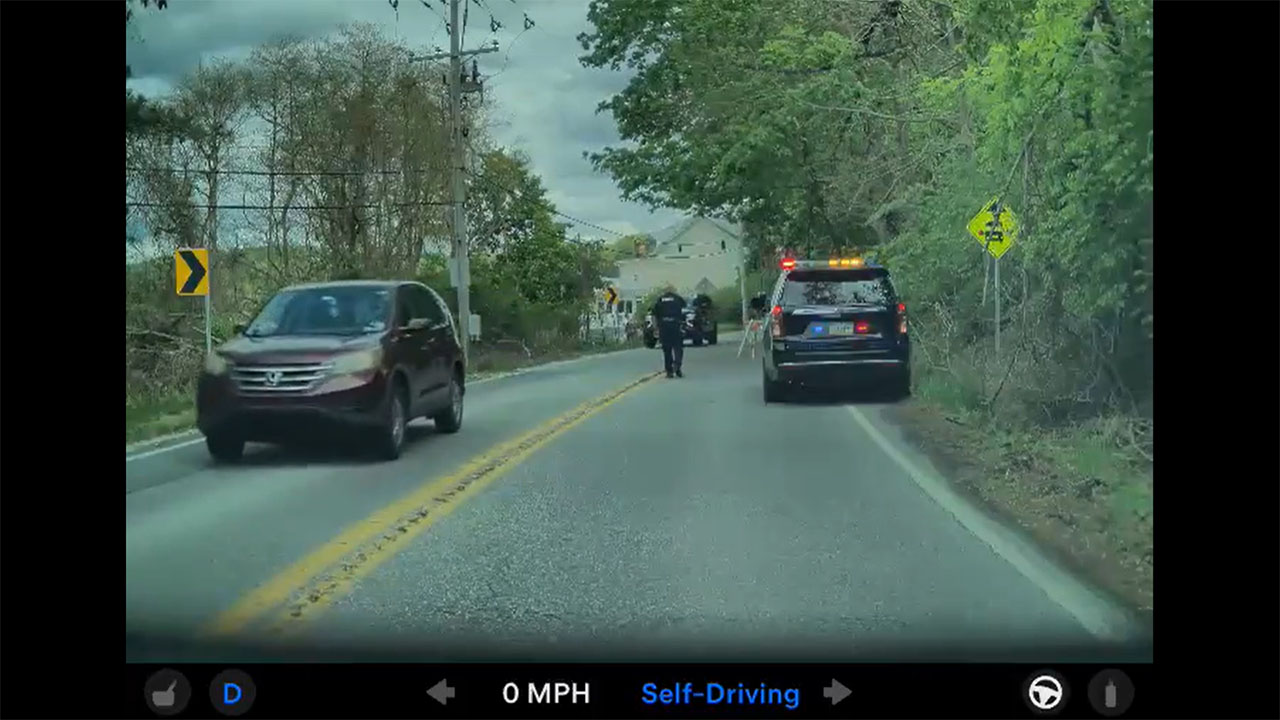
For over ten years, Tesla has aggressively marketed the concept of vehicles that can drive themselves, famously claiming that every car produced since 2016 contained “all the hardware needed for full self-driving capability.” This promise became a cornerstone of Tesla’s valuation and a key reason many early adopters, including Gawiser, invested thousands in the FSD package. However, despite incremental software updates and beta releases, Tesla has failed to deliver a truly autonomous system that meets regulatory or consumer expectations. Gawiser’s victory in small claims court is a rare but powerful acknowledgment that the company’s marketing may have crossed the line from aspirational to misleading, as the court found that Tesla did not provide the product it explicitly sold.
A Strategy of Delays: Tesla Fights a $10,600 Judgment
Even after losing the case, Tesla is not complying quietly. The company is aggressively appealing the decision and requesting repeated postponements, sometimes seeking delays of just a few days at a time. This legal maneuvering appears designed to exhaust Gawiser’s resources and discourage other owners from pursuing similar claims. For a company worth hundreds of billions, fighting a $10,600 judgment with such tenacity sends a clear signal: Tesla will not easily refund money for its unfulfilled FSD promises. This tactic could set a precedent, potentially chilling other owners from seeking recourse through small claims courts, which were intended as an accessible path for consumers against large corporations.
What This Means for Tesla Owners and Investors
For Tesla owners who have paid for FSD—a feature that currently costs $12,000 in the US—the Gawiser case is both a beacon of hope and a cautionary tale. It proves that courts are willing to hold Tesla accountable when its product claims fall short, but the company’s aggressive post-judgment behavior shows it will not make refunds easy. Investors should view this as a reputational risk: as more owners seek refunds or file lawsuits, the narrative of Tesla as an innovative leader in autonomy may give way to a perception of overpromising and underdelivering. The FSD program remains a critical revenue stream and a key driver of Tesla’s premium brand image, but mounting legal challenges could force the company to either deliver on its decade-old promise or face a growing wave of consumer backlash that impacts both sales and stock sentiment.