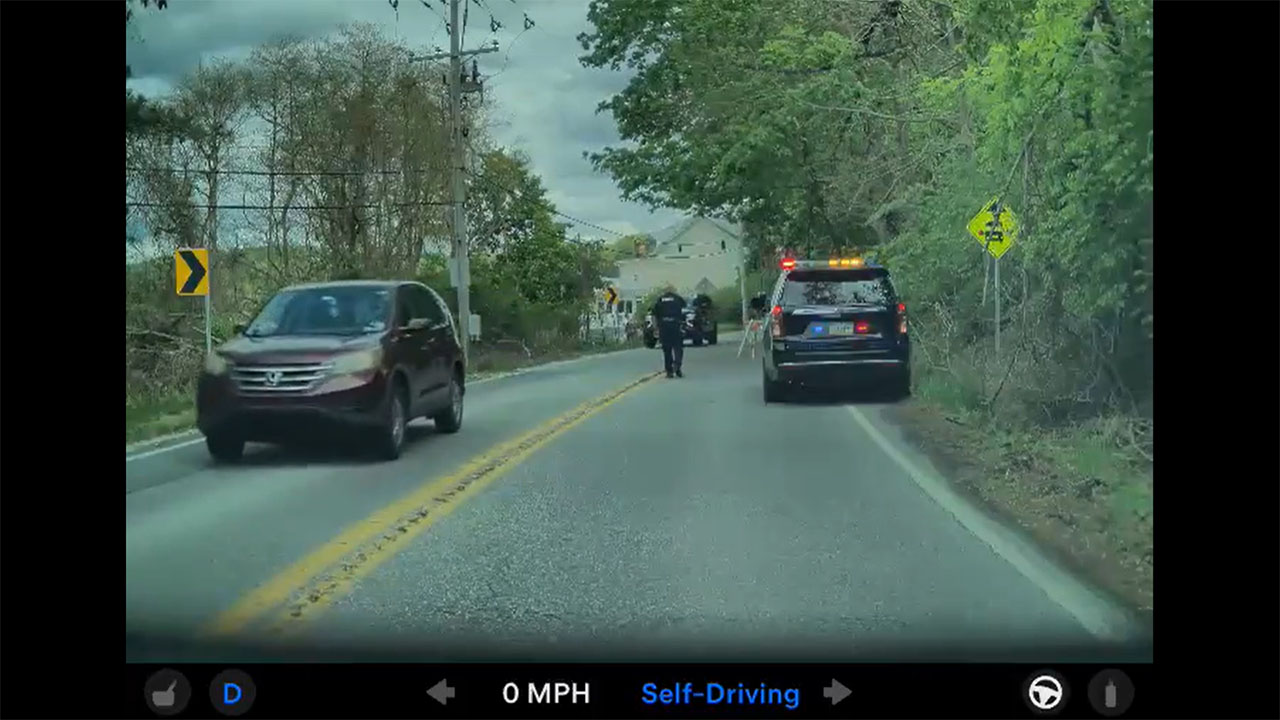
Tesla has quietly rolled out a second revision to its Intervention Reporting system for Full Self-Driving (FSD), signaling a major pivot toward clarity and usability. The update, which targets how drivers log critical feedback on the autonomous suite, aims to untangle a web of owner complaints and system anomalies that have long plagued the beta program. For Tesla, this isn't just a minor tweak—it’s a strategic move to refine the very pipeline through which real-world data flows back to its engineering teams.
A Smoother Path for Driver Feedback
The revised system now streamlines the process of reporting disengagements, hesitations, and unexpected behaviors from the FSD software. Previously, drivers navigating the intervention logs faced a clunky interface that often buried critical context under layers of menus. The new iteration simplifies the taxonomy of complaints, making it easier to distinguish between a phantom braking event and a navigation error. Tesla has also added clearer prompts, helping owners categorize issues without needing to decipher technical jargon. This is a direct response to the flood of ambiguous reports that previously clogged the system, slowing down the iterative loop between driver input and software patches.
Deciphering the Noise: Why This Matters
For Tesla's Autopilot and FSD teams, data quality is everything. A single mislabeled intervention can send engineers chasing a ghost. By revising the reporting framework, Tesla is effectively filtering the signal from the noise. The update encourages drivers to provide more precise context—like road conditions, weather, and traffic density—alongside their complaints. This granularity is critical for training the neural networks that underpin FSD. It also reduces the burden on Tesla's support staff, who previously had to manually decode vague reports. The result? Faster turnaround on bug fixes and a smoother path toward unsupervised autonomy.
Implications for Tesla Owners and Investors
For current Tesla owners, this revision means their feedback carries more weight. A cleaner reporting system translates to more accurate software updates, potentially reducing the frequency of jarring disengagements during daily commutes. For investors, the move underscores Tesla’s commitment to data-driven development over flashy demos. A refined feedback loop directly accelerates the timeline for FSD’s commercial viability, a key metric for long-term valuation. However, the revision also signals that Tesla is still wrestling with fundamental edge cases—issues that may delay a full, regulatory-approved rollout. Owners should expect incremental improvements rather than a sudden leap to Level 5 autonomy, but the infrastructure for that leap is quietly being built, one report at a time.