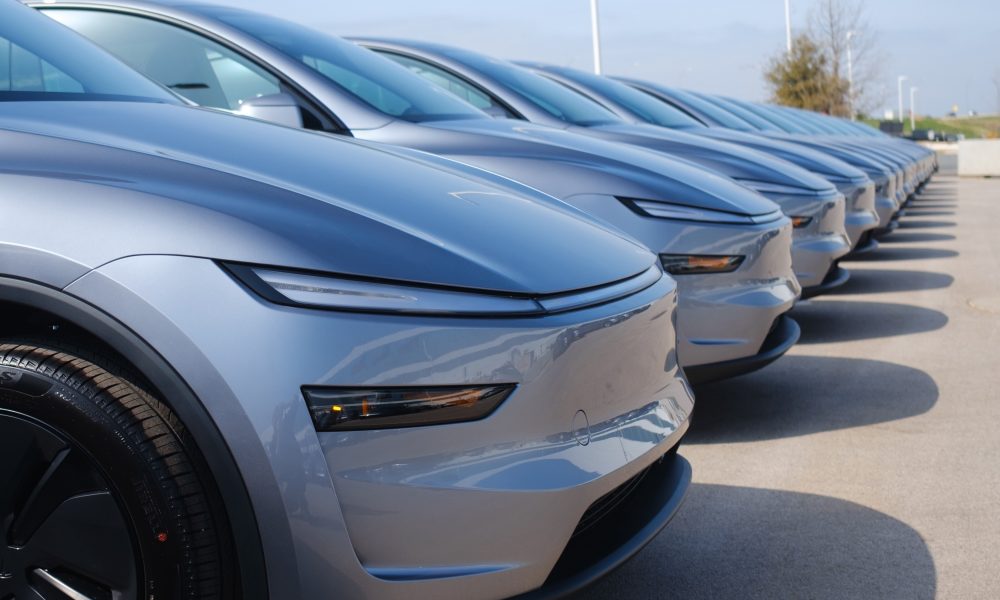
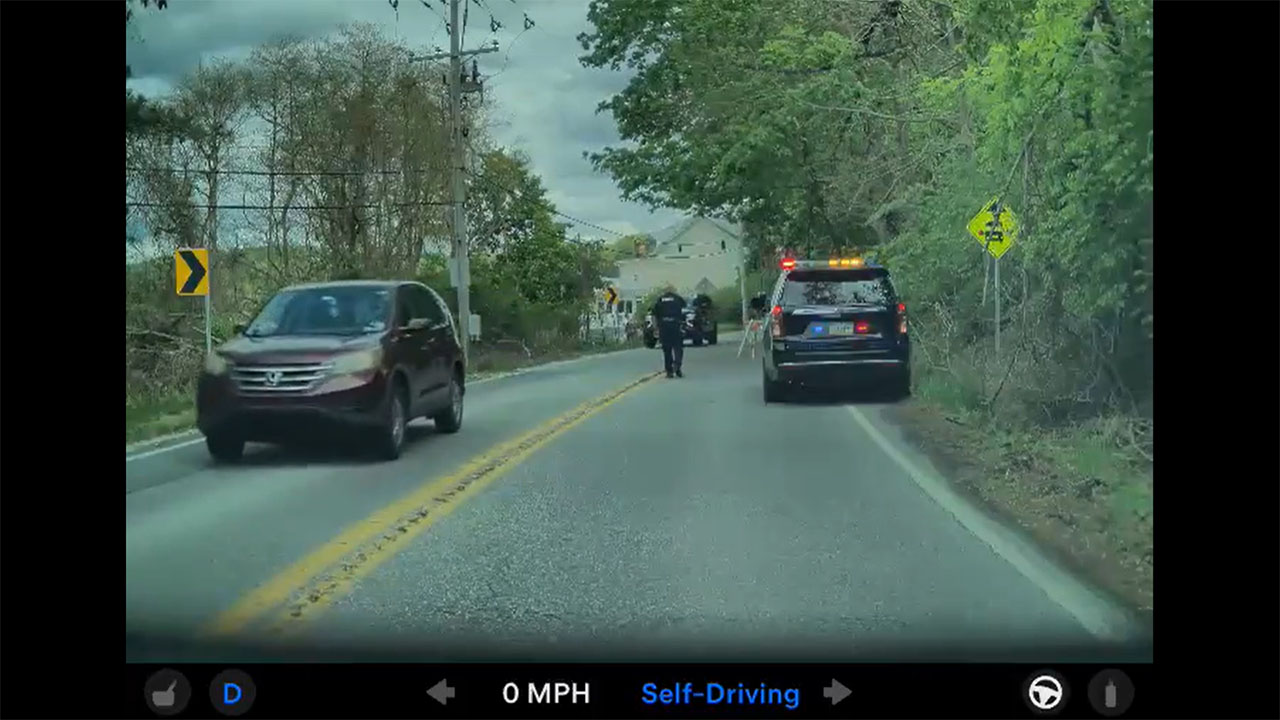
Tesla’s ambitious robotaxi dream has long felt more like a distant promise than a tangible reality, but the latest data suggests the autonomous fleet is finally stirring to life. According to fresh figures from the Robotaxi Tracker, the company’s “unsupervised” fleet has grown to 25 cumulative vehicles across three major Texas cities. While that number remains a fraction of what CEO Elon Musk once boldly predicted, it marks the first genuine sign of momentum in a program that has spent nearly a year stuck in neutral.
From Stagnation to Slow Growth in Texas
For months, Tesla’s unsupervised fleet essentially flatlined, with no meaningful additions to its roster of self-driving vehicles. The new data, however, reveals a notable shift. Over the past few weeks, Tesla has added vehicles in Austin, Dallas, and Houston—a deliberate expansion that signals the company is moving beyond its testing stronghold. This geographic spread is critical, as it suggests Tesla is validating its Full Self-Driving (FSD) technology across varying urban environments, not just controlled corridors. Still, with only 25 vehicles in operation, the fleet size is a far cry from the thousands Musk once implied would be roaming streets by now.
What This Means for Tesla’s Autonomous Ambitions
The slow ramp-up underscores the immense technical and regulatory hurdles Tesla faces in deploying truly driverless cars. Unlike competitors like Waymo or Cruise, which rely on extensive sensor suites and high-definition mapping, Tesla pursues a vision-only approach using cameras and neural networks. The recent growth, while modest, provides evidence that this strategy is gradually progressing toward commercial viability. For Tesla investors, the 25-vehicle milestone is a double-edged sword: it validates the technology’s potential, but it also highlights the vast gap between Musk’s ambitious timelines and operational reality.
Implications for Tesla Owners and Investors
For current Tesla owners, this development is a mixed signal. On one hand, the expansion of the unsupervised fleet could eventually lead to a wider rollout of robotaxi services that allow owners to earn income from their vehicles while idle. On the other hand, the glacial pace suggests that such a feature remains years away from mass adoption. Investors should view this as a proof-of-concept phase rather than a revenue driver. The key takeaway is that Tesla is finally executing, but at a speed that demands patience. If the company can maintain this growth trajectory and scale to hundreds of vehicles by year-end, it will mark a pivotal step toward Musk’s vision of a fully autonomous future. For now, the fleet’s expansion in Texas is a small but meaningful signal that the robotaxi program is no longer idling.