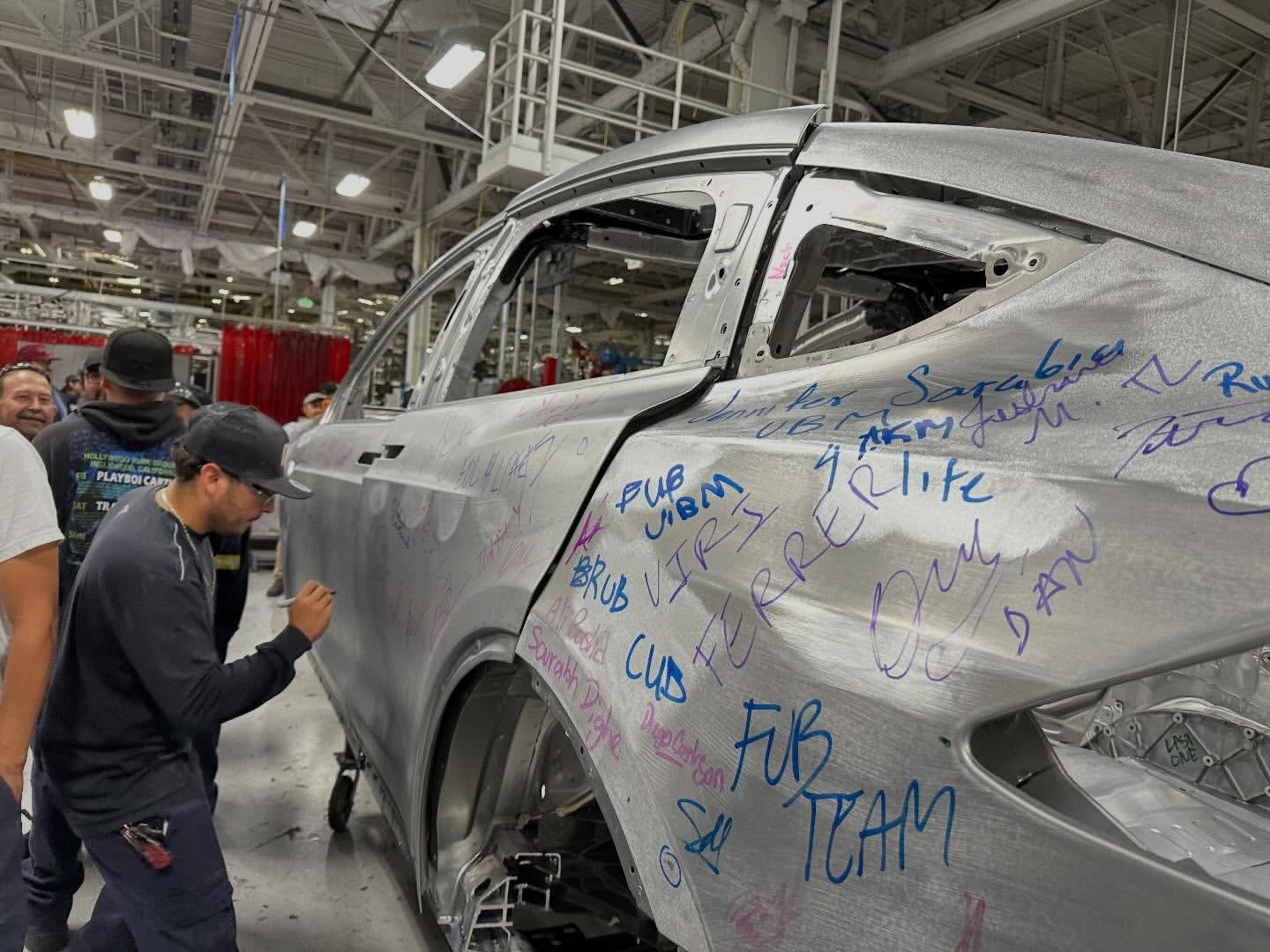
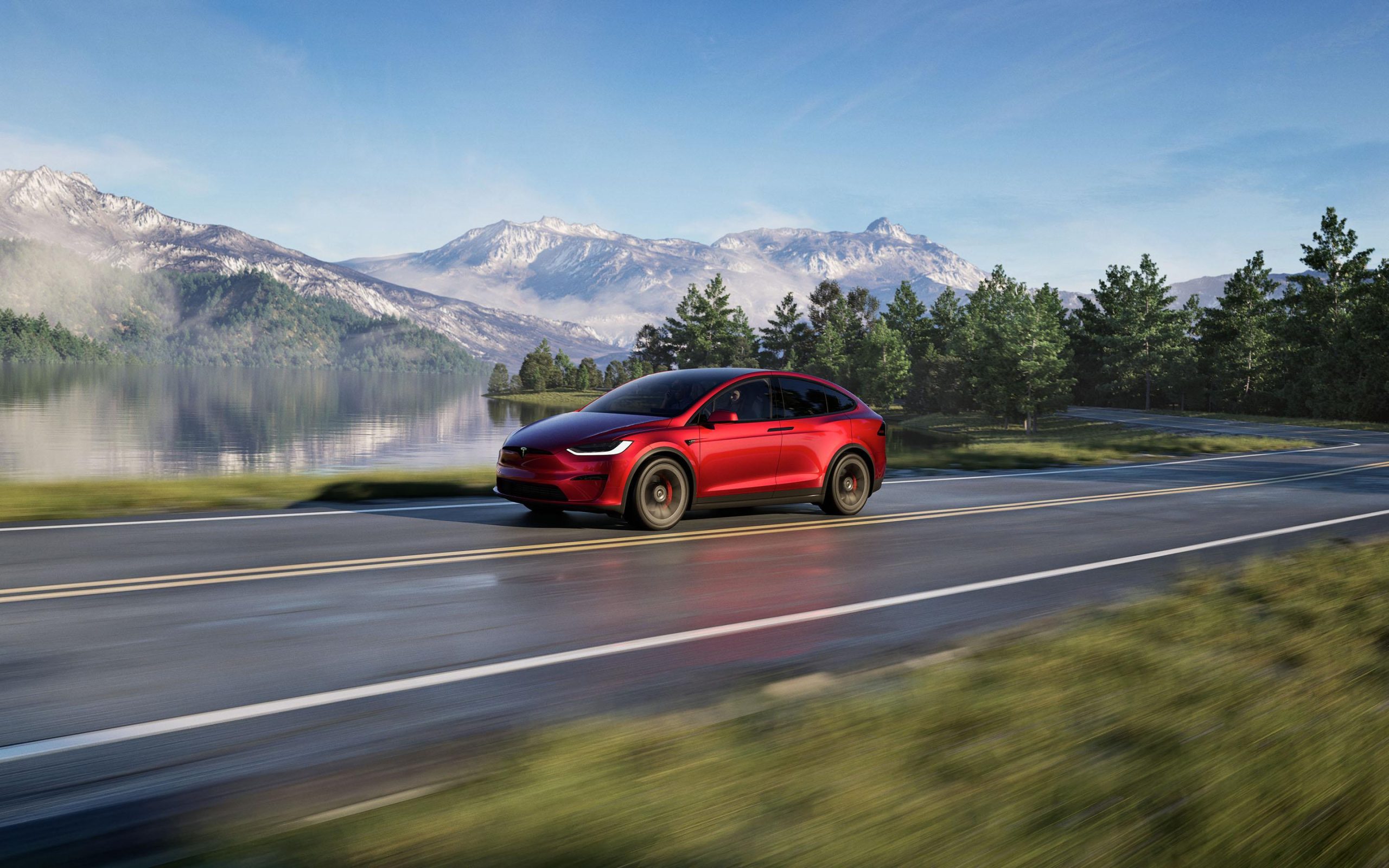
In the automotive world, 2012 feels like a different geological epoch. Facebook bought Instagram, the iPhone 5 was cutting-edge, and the idea of a compelling, long-range electric car was a niche fantasy. Into that landscape, Tesla delivered the first Model S to customers, an event that didn't just launch a car but triggered a seismic shift for the entire auto industry. As Tesla now winds down the Model S's 14-year production run, its legacy is undeniable: it was the catalyst that forced the world to reimagine the electric vehicle from a compromised commuter box into a desirable, high-performance machine.
The Paradigm Shift: From "Compliance Car" to Benchmark
Before the Model S, the modern EV conversation was dominated by vehicles like the Nissan Leaf and GM's EV1—practical, limited in range, and largely defined by what they couldn't do. Tesla's first-generation sedan shattered every preconception. With an EPA-rated range of up to 265 miles in its initial 85 kWh configuration, it demolished "range anxiety" as a definitive counter-argument. More critically, it wasn't just efficient; it was breathtakingly quick, luxurious, and connected. The massive 17-inch vertical touchscreen redefined the driver interface, making traditional button-festooned dashboards look instantly archaic. The Model S didn't ask buyers to compromise; it dared them to expect more.
A Platform for Innovation and a Lifeline for Tesla
The Model S was far more than a static product; it served as Tesla's rolling R&D lab and financial bedrock. Its scalable architecture birthed the Model X SUV, proving the platform's versatility. More importantly, the revenue and prestige from the premium sedan funded Tesla's audacious, mass-market vision: the Model 3. The introduction of Autopilot hardware and over-the-air software updates turned the car into a perpetually improving device, a concept foreign to legacy automakers at the time. When Tesla faced "production hell" and financial peril during the Model 3 ramp, it was the sustained, high-margin sales of the Model S and X that helped keep the company afloat.
The sedan's performance variants, notably the P100D with "Ludicrous Mode," became cultural icons, humbling supercars at stoplights and permanently linking EVs with neck-snapping acceleration. It created an entirely new segment: the high-performance luxury EV. This forced established giants like Porsche, Mercedes-Benz, and Audi to accelerate their own electric plans, leading directly to competitors like the Taycan and EQS. The Model S didn't just compete; it drafted the blueprint everyone else suddenly had to follow.
Implications for Owners and the Tesla Ecosystem
For current Model S owners, the end of production cements their vehicle's status as a historic icon, likely ensuring its desirability among collectors. Tesla's commitment to over-the-air updates means these cars will continue to evolve, protected by the company's extensive Supercharger network. For investors, the Model S's sunset highlights Tesla's successful transition from a niche premium player to a volume-driven company, with the Model Y now the world's best-selling car. The focus has decisively shifted to scaling affordability and autonomy. Yet, the Model S's core innovations—its powertrain, software-centricity, and direct-sales model—remain the foundational DNA of every Tesla today. It was the proof of concept that made the electric future inevitable, and its final bow marks not an end, but the ultimate validation of a revolution it started.