In a stunning strategic pivot that has sent shockwaves through the automotive and tech industries, Tesla's latest quarterly earnings call has effectively signaled a retreat from its core business of building and selling electric cars. The company that single-handedly forced the global auto industry into the EV era is now turning its back on the very market it created, choosing instead to bet its entire future on an unproven and highly speculative vision of autonomous transportation.
The End of an Era: Model S, Model X, and Mass Market Dreams Axed
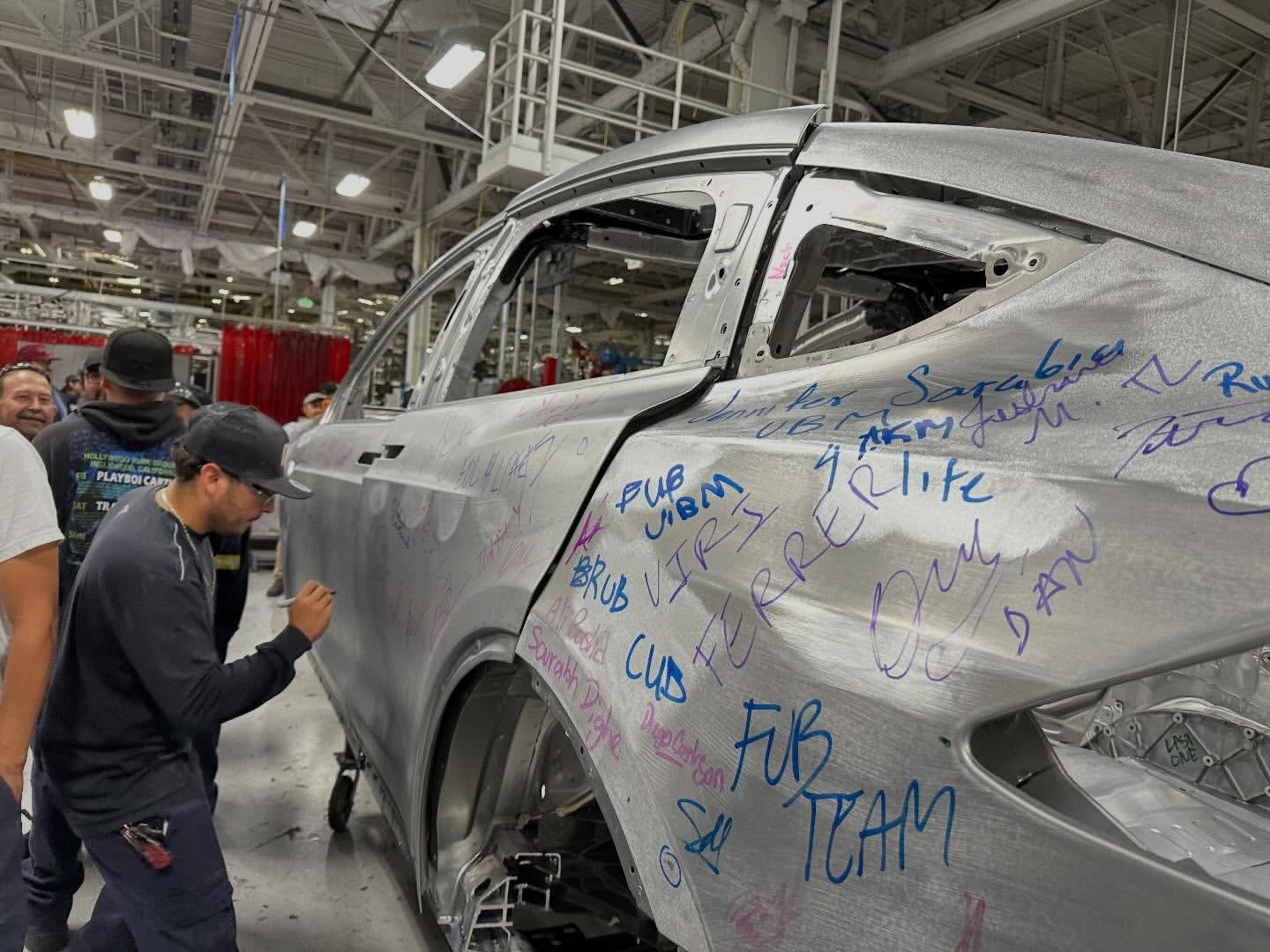
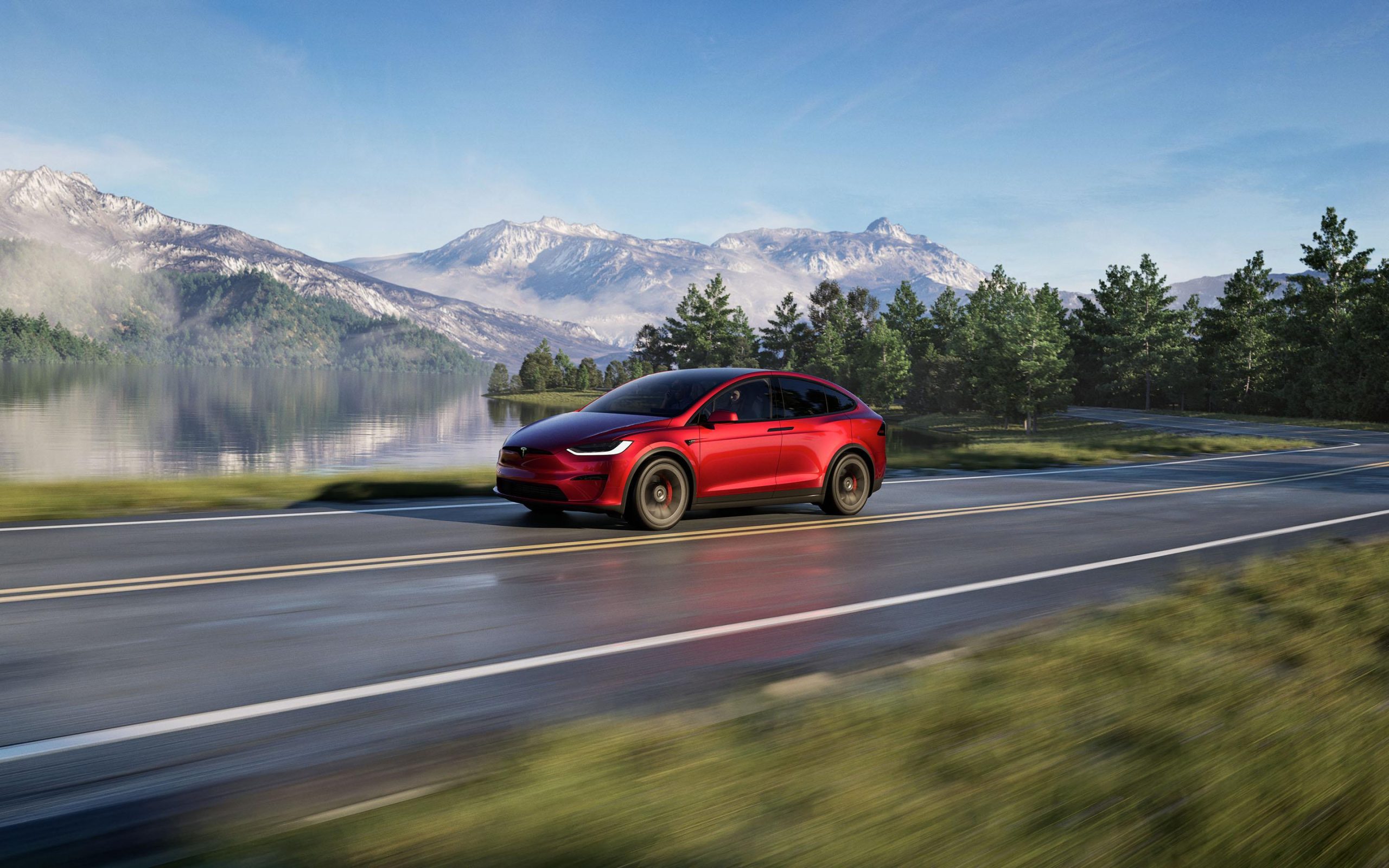
The most concrete announcements were also the most jarring for loyalists and industry observers. Tesla declared it will discontinue the Model S and Model X, the groundbreaking luxury vehicles that established its brand as a premium innovator. Furthermore, executives confirmed there are no plans for new mass-market models beyond the current Model 3 and Model Y lineup, explicitly shelving the long-anticipated "$25,000 compact car" that promised to democratize EV ownership. This move abandons a massive segment of the market to competitors like BYD, Hyundai, and Ford, who are aggressively filling the void with affordable EVs. The message is unambiguous: Tesla is exiting the business of car model proliferation.
The All-In Bet on "Transportation as a Service"
So, what is Tesla's new raison d'être? The company is pivoting entirely to a "transportation as a service" (TaaS) model, a vision centered on its Full Self-Driving (FSD) software and a future fleet of robotaxis. This isn't a side project; it is now the singular focus. The strategy implies that Tesla views individual car ownership as a legacy concept, aiming to replace it with a network of autonomous vehicles summoned via an app. All engineering, capital allocation, and executive attention is being funneled into achieving this technological moonshot, with the existing vehicle lineup now relegated to a platform for data collection and a means to fund the ambitious transition.
This radical shift raises immediate and profound questions. Tesla's FSD technology, while advanced, remains a Level 2 driver-assistance system requiring constant human supervision, years away from the regulatory approval and flawless reliability required for true driverless operation. The pivot feels less like a logical evolution and more like a high-stakes gamble, abandoning a thriving, multi-trillion dollar automotive market for a service-based future with no guaranteed timeline for profitability or widespread adoption.
For Tesla owners and investors, the implications are stark. Owners of premium models face potential depreciation and concerns over long-term support, while all customers become beta testers for a service-centric future. Investors must now value Tesla not as a high-margin automaker with explosive growth potential, but as a speculative AI and robotics company whose success hinges on solving autonomy—a challenge that has eluded the entire tech industry. The company's immense valuation now rests on a bet that is far from certain, making its stock more volatile and sensitive to FSD development milestones than ever before. The automaker that changed the world is gone; in its place is a company betting everything on a vision that could either redefine mobility or become its most spectacular failure.