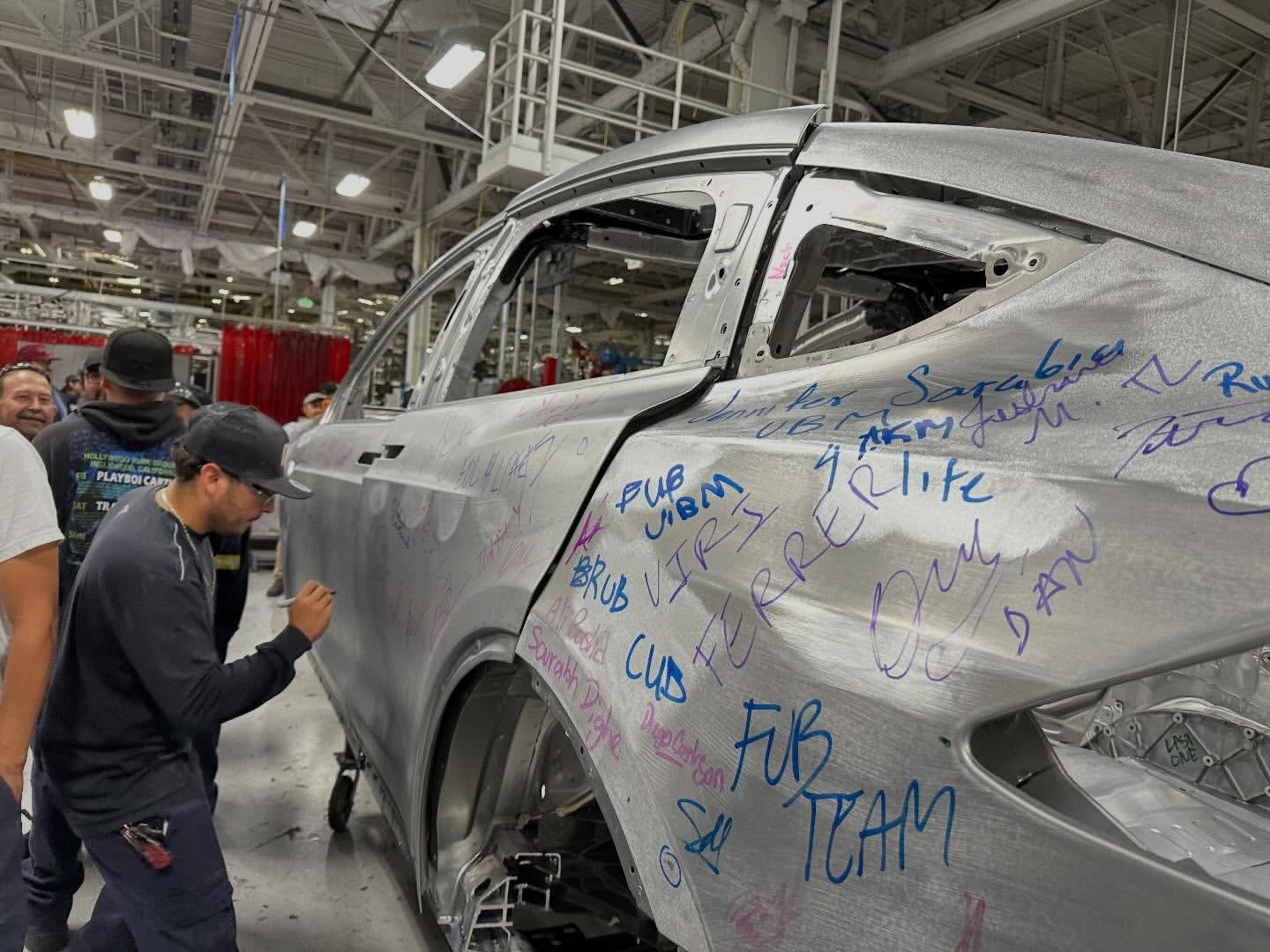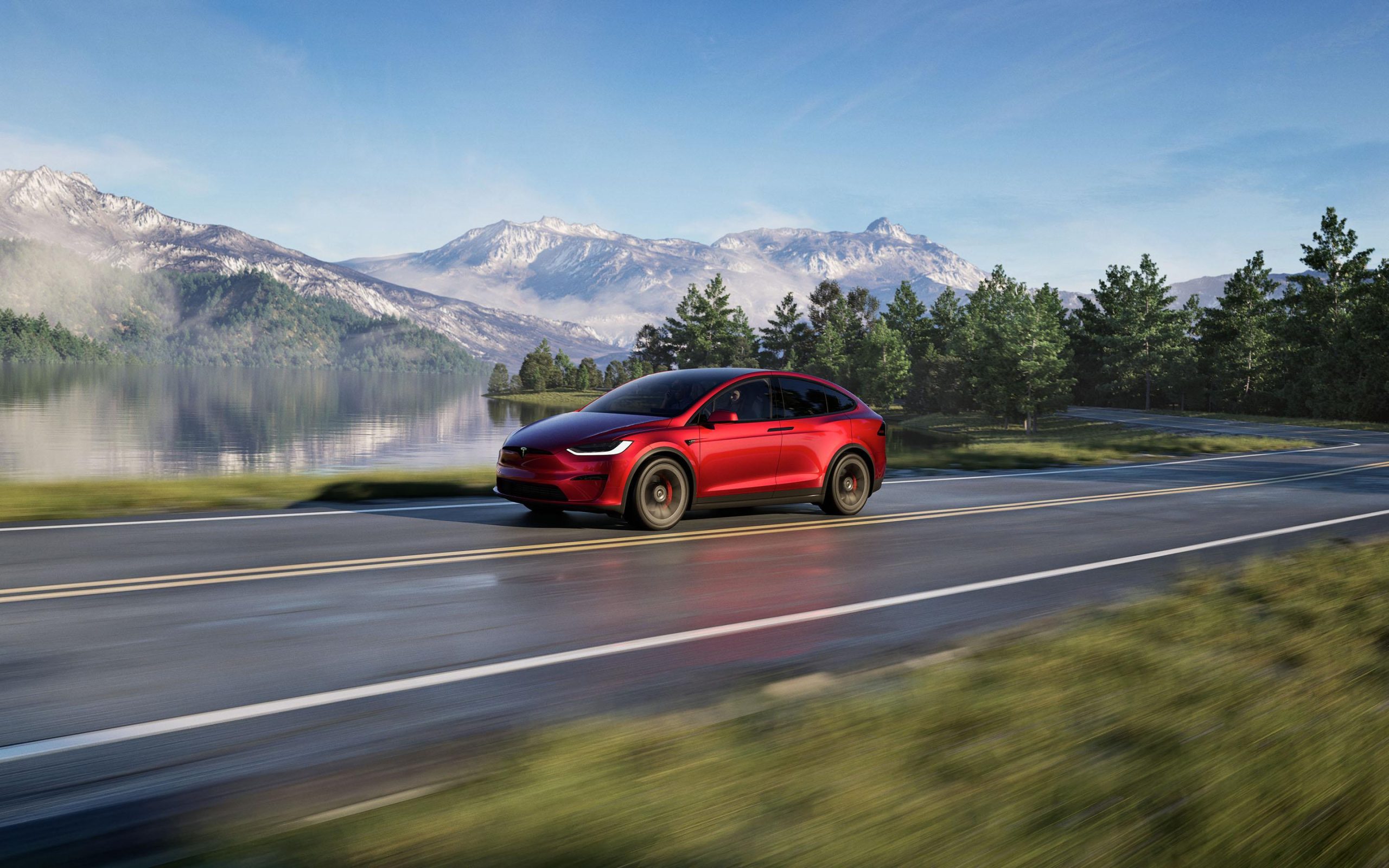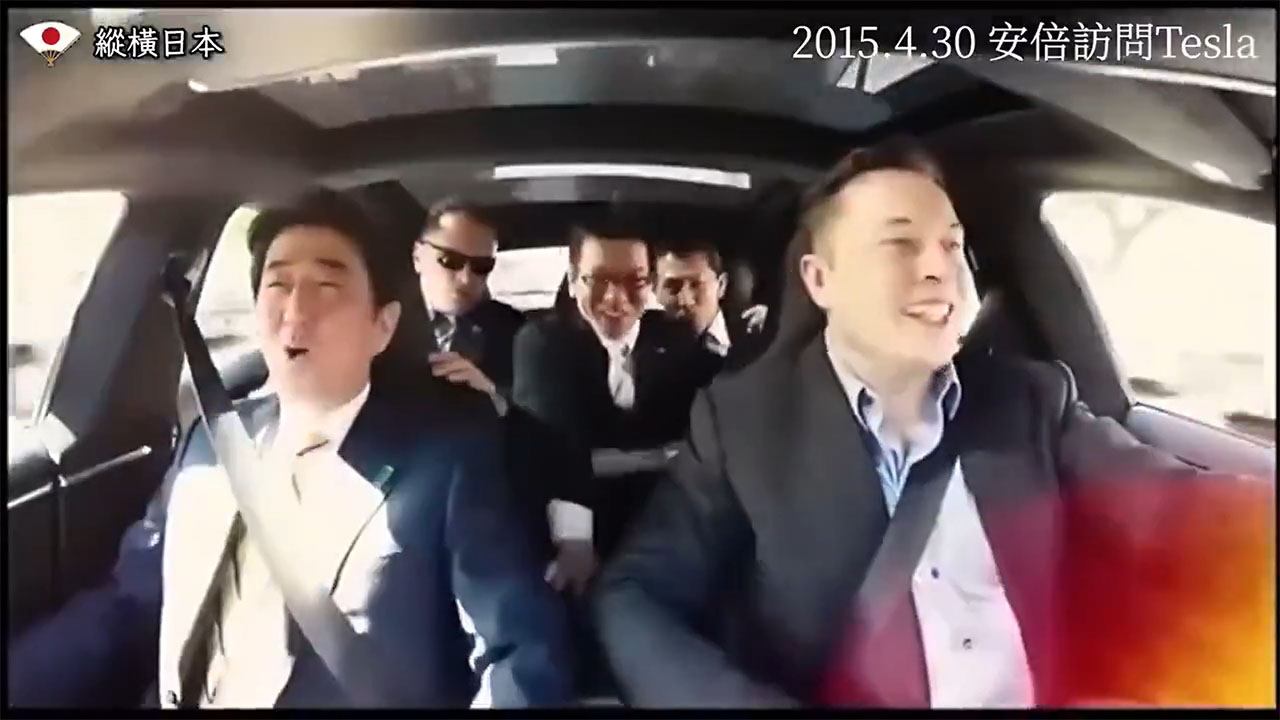
In a move that signals a seismic shift in its product strategy, Tesla CEO Elon Musk announced during Wednesday's Q4 2025 earnings call that the company will cease production of its flagship Model S and Model X vehicles next quarter. This decision marks the end of an era for the pioneering luxury electric vehicles that defined Tesla's ascent from niche automaker to global phenomenon and fundamentally reshaped the automotive industry's perception of EV performance and desirability.
The Rationale: A Strategic Pivot to Volume and New Platforms
The discontinuation of the Model S and X, while momentous, is not entirely unexpected for close industry observers. Sales of these high-end models have been in a steady decline for several consecutive quarters, increasingly overshadowed by the massive volume of the Model 3 and Model Y. Musk framed the move as a necessary reallocation of engineering resources and production capacity toward more pressing priorities. These include ramping up the next-generation vehicle platform, accelerating development of the dedicated Robotaxi, and meeting the relentless global demand for its more affordable models. The era of the groundbreaking Plaid powertrain, which pushed street-legal performance to surreal levels, now concludes as Tesla's focus sharpens on autonomy and scalability.
Legacy of the Pioneers: From "Proof of Concept" to Icon
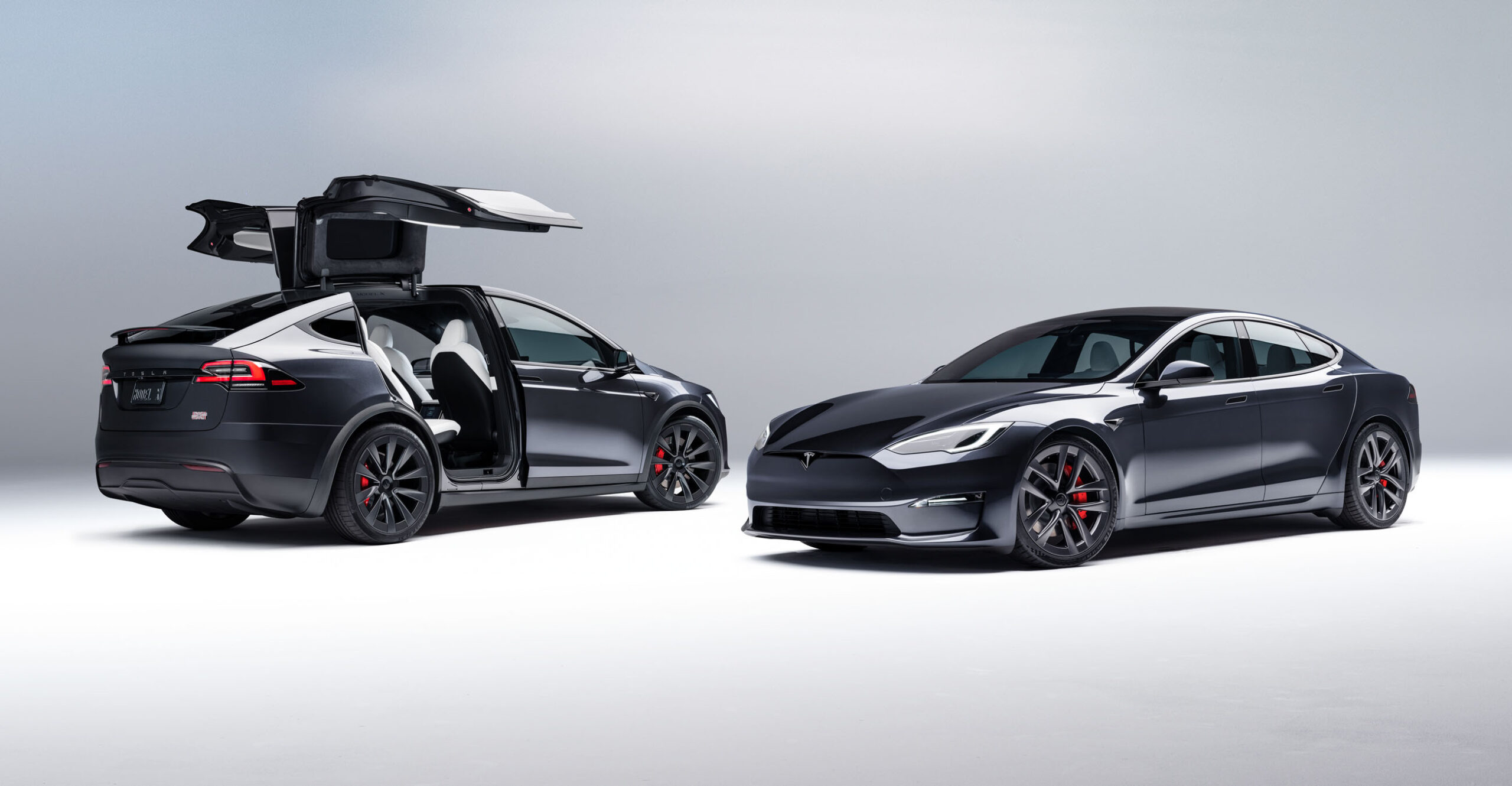
Introduced in 2012 and 2015 respectively, the Model S and Model X were far more than mere cars; they were the tangible proof of Tesla's ambitious thesis. The Model S demolished the stereotype of the sluggish electric vehicle, while the Model X's falcon-wing doors and blistering acceleration made it a technology showcase on wheels. These models served as critical halo vehicles, generating the profit and prestige that funded the company's mass-market ambitions. Their technical innovations—from the expansive touchscreen interface to over-the-air software updates—set industry standards that competitors are still scrambling to match over a decade later.
For Tesla owners and investors, the implications are multifaceted. Existing Model S and X owners may see their vehicles transition into coveted collector's items, potentially affecting residual values. The company's financials could see a near-term benefit from simplified manufacturing logistics and reduced parts complexity, channeling capital toward higher-return projects. Most significantly, this decision underscores Tesla's unwavering commitment to its long-term vision: prioritizing the development of fully autonomous driving technology and affordable mobility over maintaining a low-volume luxury lineup. The sunset of these icons firmly closes one chapter of Tesla's story, as it aggressively writes the next one focused on artificial intelligence and robotic transportation.