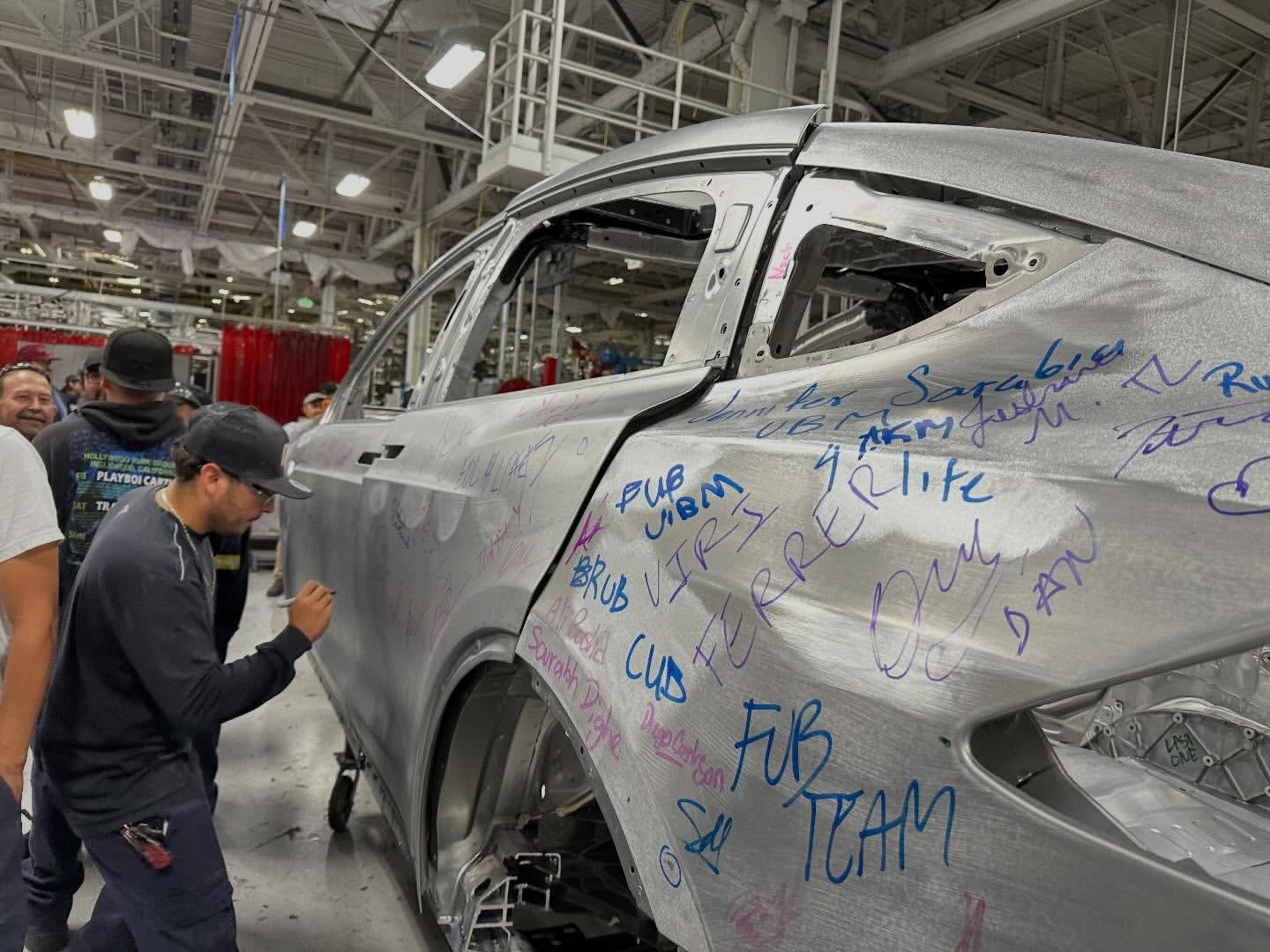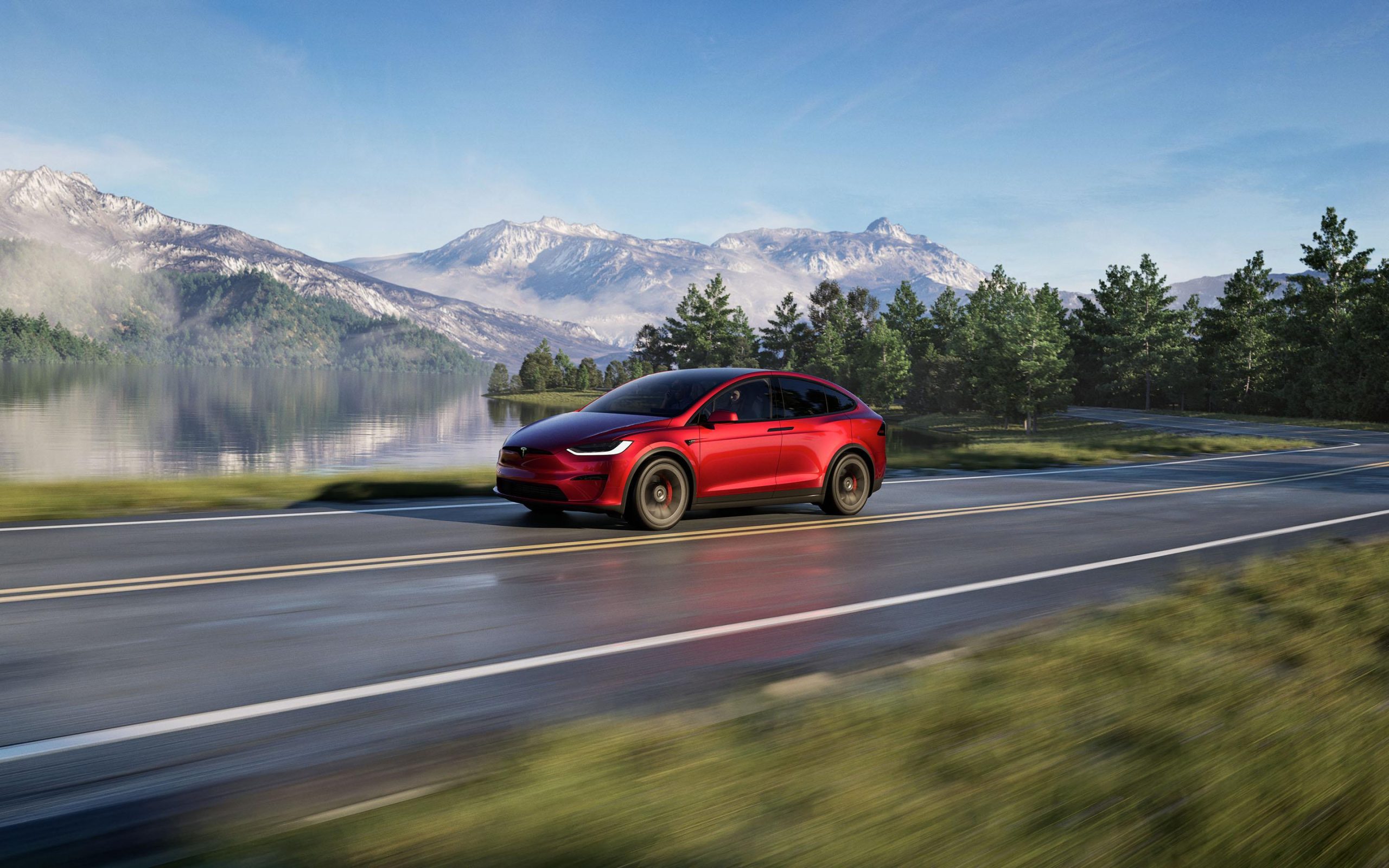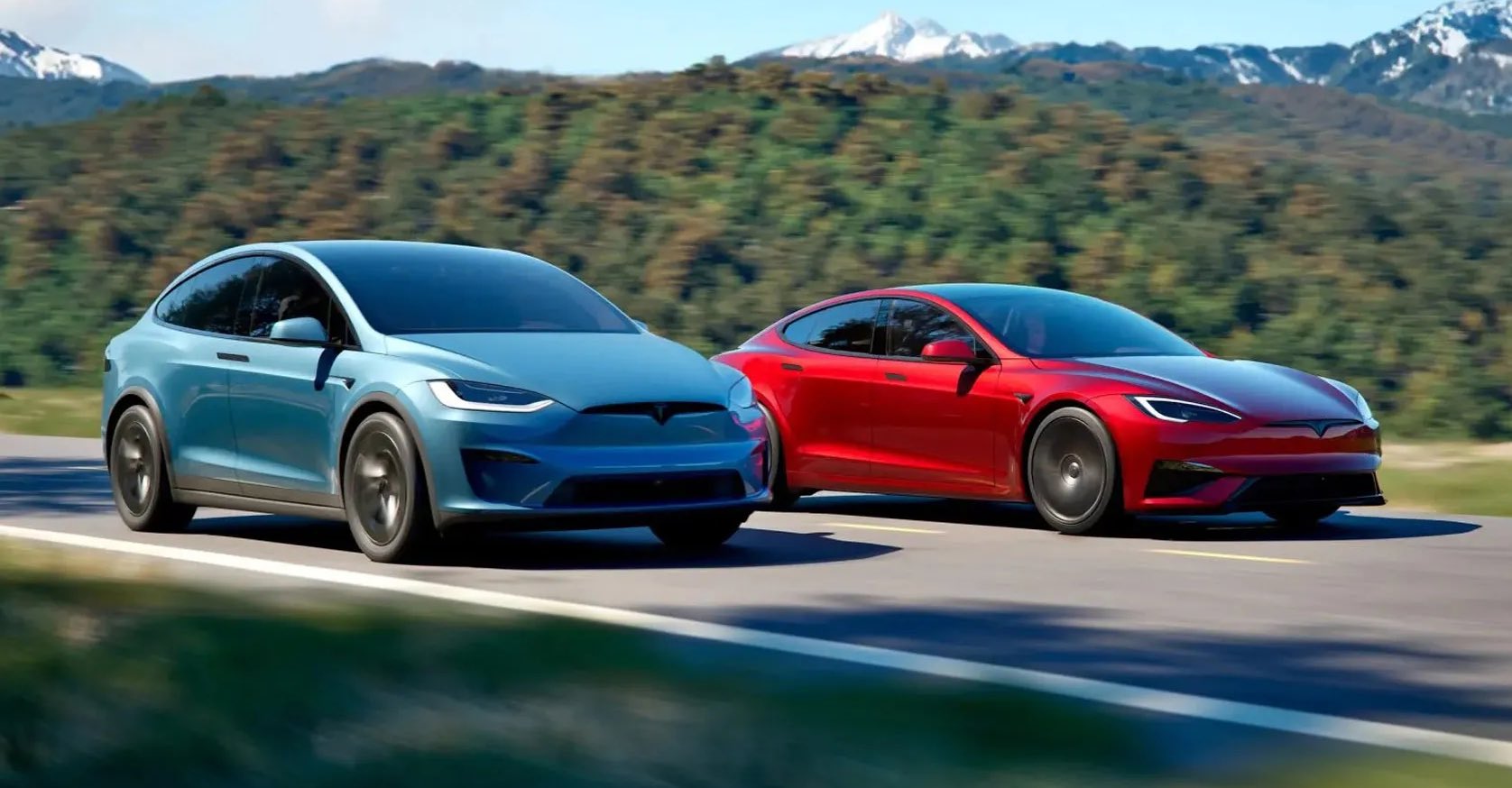
In a move that signals a seismic shift in corporate identity, Tesla has confirmed the final curtain call for its flagship sedan and SUV. The production of the Model S and Model X will be permanently discontinued by 2026, marking the end of an era for the vehicles that defined premium electric mobility and bankrolled the company's meteoric rise. This isn't merely a product line refresh; it's a strategic pivot of historic proportions, freeing immense capital and engineering bandwidth to fuel Elon Musk's paramount ambition: the Robotics Revolution centered on the Optimus humanoid robot.
The Strategic Calculus: Liberating Resources for a New Frontier
For purists, the announcement is a shockwave, but for Tesla's leadership, it's a calculated liberation. The Model S and X, while iconic, represent a fraction of the company's modern sales volume, dwarfed by the Model 3 and Model Y. Their complex, low-volume production lines require dedicated resources that are increasingly seen as an opportunity cost. By sunsetting these legacy pillars, Tesla isn't just simplifying its manufacturing matrix; it's executing a ruthless prioritization. The capital, talent, and focus previously devoted to refining these established vehicles will be aggressively redirected toward what Musk deems the company's ultimate purpose: solving artificial intelligence and full self-driving, with the Optimus robot as the ultimate embodiment of that technology stack.
From Car Company to AI Robotics Pioneer
The retirement of the Model S and X is the clearest signal yet that Tesla is fundamentally redefining itself. The core mission—to accelerate the world's transition to sustainable energy—is being augmented, if not superseded, by a grander vision of an AI-driven future. The development of Optimus leverages Tesla's deepest competencies: advanced battery systems, sophisticated actuator design, and, most critically, its real-world AI training via the Full Self-Driving (FSD) neural networks. The EV platform becomes a stepping stone, with the car itself serving as a data-collection engine and a proving ground for the sensory and decision-making systems that will animate humanoid robots designed for mass production.
This transition is not without risk. The premium market segment vacated by the S and X leaves an opening for competitors, and the entire robotics venture remains a colossal, unproven bet. However, Tesla's history is one of betting the company on a single, audacious idea—from the Roadster to the Gigafactory. The move underscores a belief that the long-term value of creating a multi-purpose, general-purpose robot workforce exponentially outweighs the marginal gains from iterating on decade-old electric vehicle designs.
For Tesla owners and investors, the implications are profound. The company's valuation will increasingly decouple from traditional automotive metrics and hinge on its success as an AI and robotics firm. Resources will flow toward Optimus, FSD, and Dojo supercomputer development, potentially at the expense of incremental vehicle updates. For owners of the retiring models, they instantly become the final chapter of Tesla's founding lineage, likely to hold unique historical and collectible value. The roadmap is clear: Tesla is not just building the future of transport; it is building the future of labor itself, and it is all hands on deck.