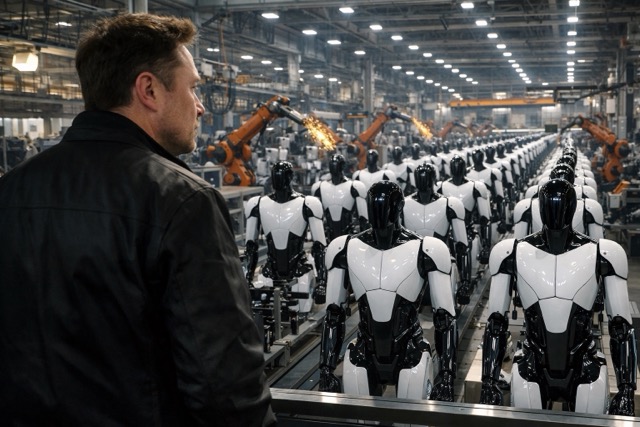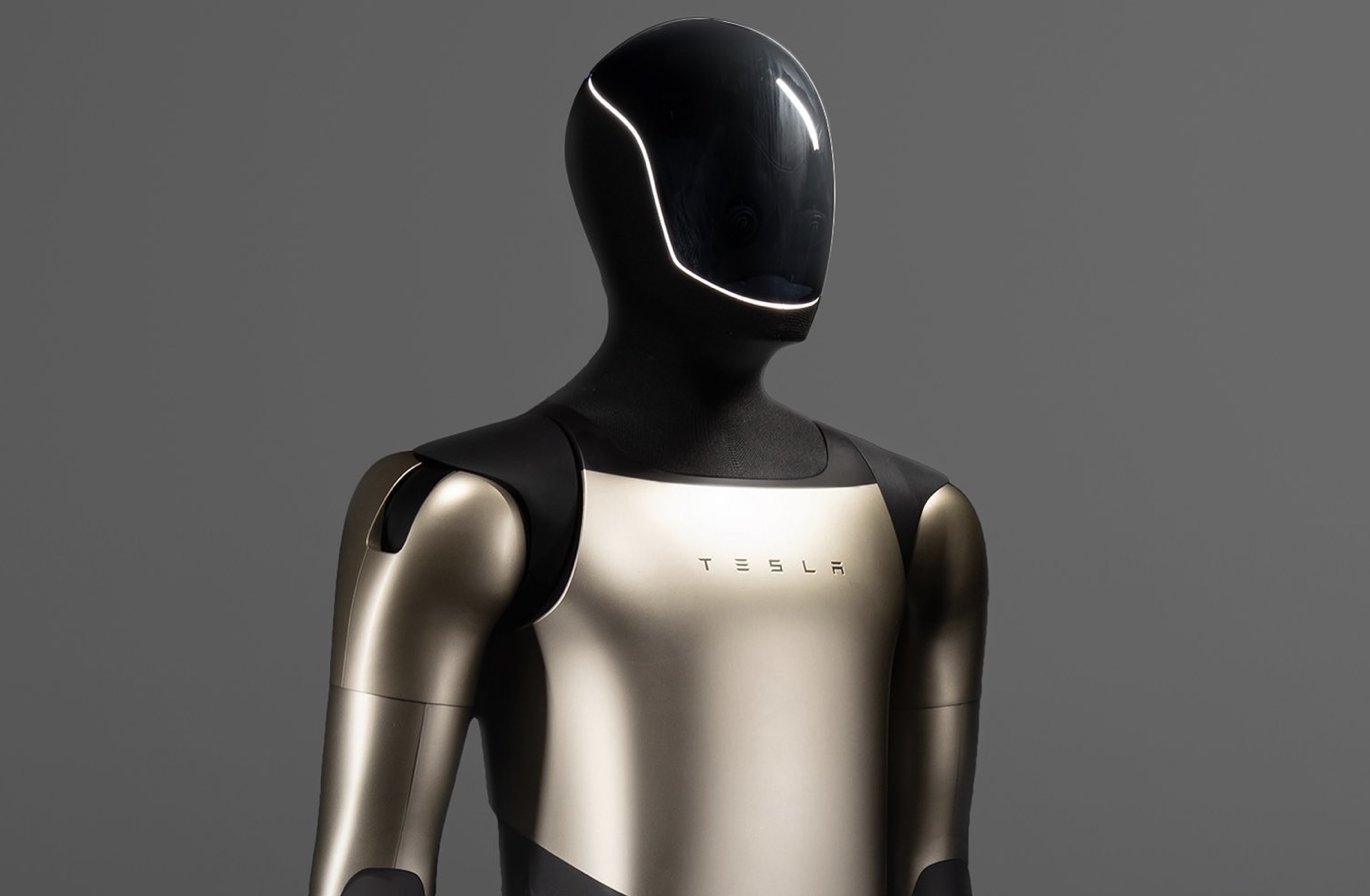
In a recent statement that sent ripples through the automotive and tech sectors, Tesla China's General Manager, Wang Hao, positioned the company's Shanghai Gigafactory as a linchpin in one of Tesla's most ambitious endeavors: the mass production of the Optimus humanoid robot. This declaration underscores a pivotal strategic shift, elevating the Shanghai facility from its world-leading role in electric vehicle manufacturing to a central hub for solving the complex puzzle of scaling advanced robotics. The move signals that Tesla's future hinges not just on cars, but on leveraging its manufacturing prowess across new technological frontiers, with China at the epicenter.
Shanghai's Evolution from EV Powerhouse to Robotics Incubator
The Shanghai Gigafactory, already the company's most productive plant with an annual capacity exceeding 950,000 vehicles, is renowned for its exceptional efficiency and advanced manufacturing processes. Wang Hao's comments suggest this expertise will be directly applied to the Optimus project. The factory's proven ability to drive down costs through supply chain localization and innovative production techniques is now seen as a critical asset for tackling the high-cost, precision-engineering challenges inherent in humanoid robotics. This represents a profound evolution for the facility, transforming it into a dual-purpose center of excellence for both EVs and next-generation automation.
Decoding the "Crucial Role" in Mass Production Challenges
The specific "crucial role" likely encompasses several key areas where Shanghai's capabilities are unmatched. First is supply chain integration; China's dense ecosystem of electronics, sensor, and battery suppliers is indispensable for sourcing the myriad components a sophisticated robot requires. Second is manufacturing agility; the team's experience in rapid prototyping and iterative design, honed through countless vehicle updates, can accelerate Optimus's development cycle. Finally, and perhaps most importantly, is cost optimization. Achieving a target price point that makes Optimus commercially viable for industrial and consumer use is arguably the project's greatest hurdle, and Shanghai's track record of radical cost reduction is Tesla's best weapon.
This strategic bet on Shanghai is not made in isolation. It reflects Tesla's broader recognition of China as a global leader in both manufacturing scalability and the adoption of automation. By anchoring Optimus production there, Tesla gains proximity to a market that may be among the first to deploy humanoid robots at scale in factories, logistics, and even service roles. Furthermore, it leverages the intense competitive environment of China's tech sector to foster innovation and speed, forcing a faster pace of development that can benefit Tesla's global operations.
For Tesla owners and investors, this development carries significant implications. It validates the Shanghai Gigafactory as a multi-technology growth engine, diversifying Tesla's revenue potential beyond the cyclical automotive industry. A successful Optimus program, enabled by Shanghai's production genius, could unlock a new, massive addressable market, potentially dwarfing the automotive sector in the long term. However, it also represents a substantial allocation of engineering and managerial resources, reminding stakeholders that Tesla's appetite for high-risk, high-reward ventures remains undiminished. The world's most productive EV factory is now officially tasked with building the future of robotics.