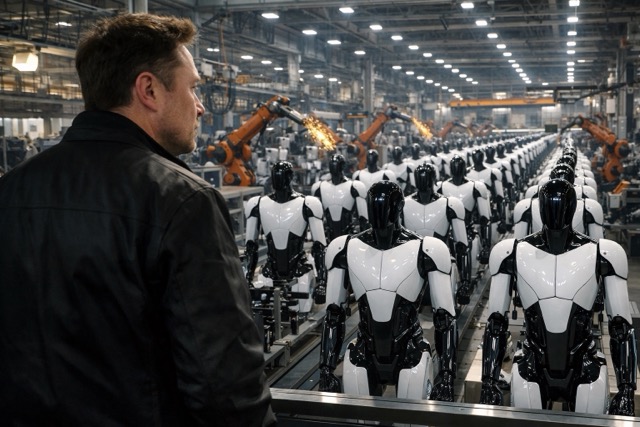
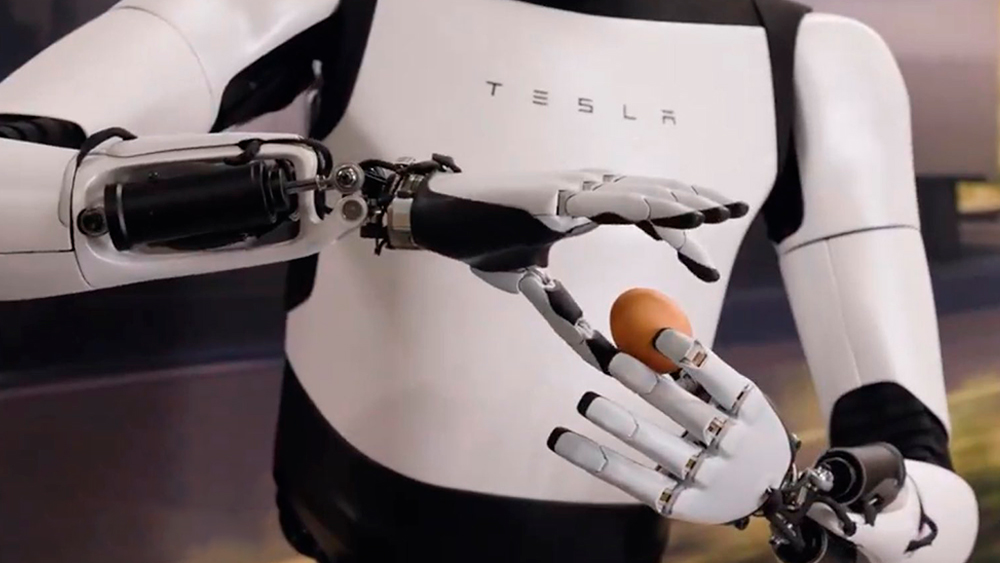
The future of manufacturing is arriving on the very floor where Tesla built its legacy. In a definitive announcement during today's Q1 2026 earnings call, CEO Elon Musk confirmed that initial production of the Optimus humanoid robot will commence at the company's Fremont factory in late July or August. This aggressive timeline underscores Tesla's pivot from a pure-play electric vehicle automaker to a multifaceted robotics and AI company, repurposing the iconic Model S and X assembly line just months after the final luxury EVs rolled off it in early May.
From Luxury EVs to Humanoid Robots: A Swift Factory Transformation
The logistical shift is staggering in its speed. The Fremont facility, which produced the groundbreaking Model S in 2013, will now fabricate a machine of entirely different complexity. Musk framed this transition as a natural evolution of Tesla's core competencies in advanced manufacturing, battery technology, and artificial intelligence. Retooling an existing line, rather than building a greenfield factory, allows Tesla to leverage its deep institutional knowledge of high-precision assembly while accelerating the Optimus program's timeline from prototype to product. This move signals that Optimus is not a distant research project but a priority slated for real-world deployment.
A Cautious Ramp Amid Unprecedented Complexity
Despite the bold start date, Musk tempered expectations with a stark dose of manufacturing reality. He warned that initial output will be "quite slow," and that predicting the 2026 production rate is "literally impossible." The primary challenge lies in the robot's mind-boggling complexity. Unlike a car, Optimus is a bipedal system with an estimated 10,000 unique parts requiring intricate coordination. Ramping a completely new production line for a product of this sophistication involves inevitable bottlenecks and iterative problem-solving, a process Tesla knows well from its "production hell" phases with new vehicles.
The emphasis now is on proving the production process itself and achieving a high degree of reliability in each unit, rather than volume. This careful, iterative ramp is reminiscent of Tesla's approach with the Cybertruck, where manufacturing innovation was as critical as the product design. Success will be measured by the robots' functionality and the production line's yield, setting the stage for future scalability.
Implications for Tesla's Trajectory and Stakeholders
For Tesla investors, this announcement is a double-edged sword that prioritizes long-term ambition over short-term financial contribution from the robotics division. Capital expenditure will be focused on this new frontier, with revenue from Optimus likely years away from material impact. However, it validates Tesla's narrative as an AI and robotics leader, potentially justifying its valuation on future tech horizons. For Tesla owners and enthusiasts, the move reinforces that their company is at the forefront of a second industrial revolution, with car manufacturing serving as a foundational step toward broader automation. The swift repurposing of the Fremont line also demonstrates Tesla's agile, vertically integrated operational model, a key differentiator as it navigates this unprecedented transition from moving people to moving labor itself.