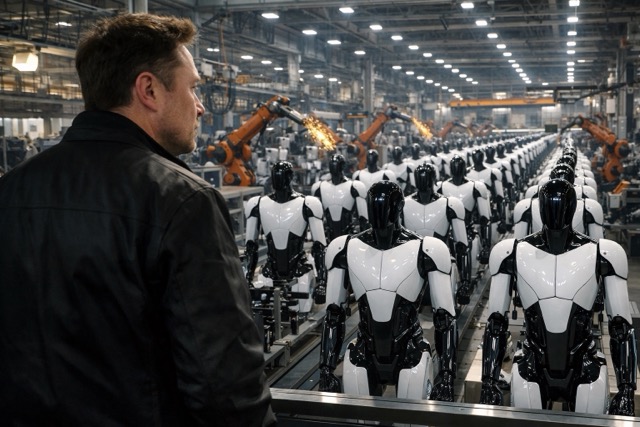
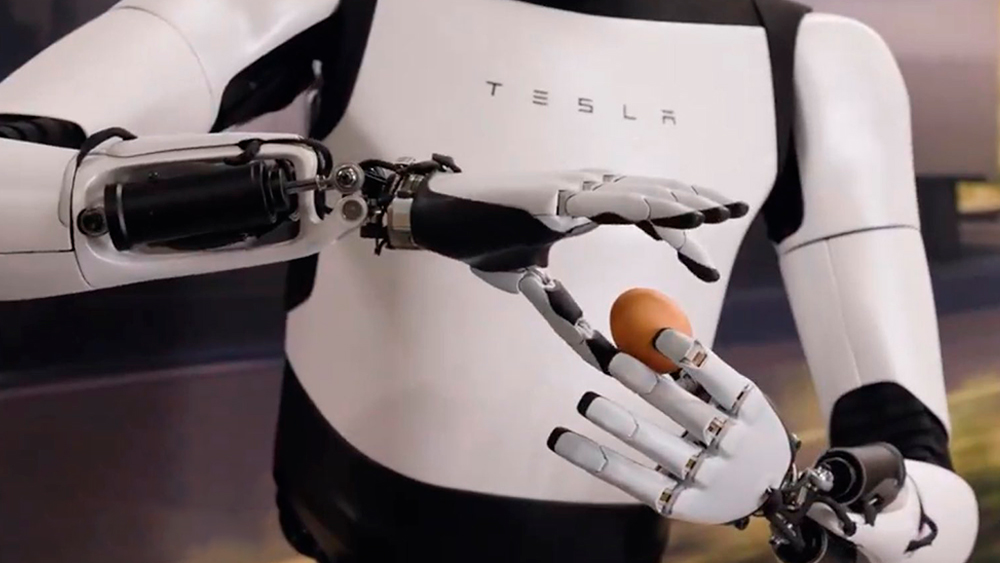
Tesla is deliberately postponing the public unveiling of its next-generation humanoid robot, Optimus V3, due to escalating concerns over intellectual property theft and industrial espionage. During the company’s Q1 2025 earnings call, CEO Elon Musk dropped a bombshell: the advanced prototype is ready, but its reveal is being held back specifically to prevent competitors from reverse-engineering its core innovations. This marks a dramatic shift in Tesla’s typically transparent, hype-driven product launch strategy.
Why Tesla is Playing Its Cards Close
Musk directly cited fears of “copycats” as the primary reason for the delay, a rare admission from a company that has historically used early reveals to dominate headlines and attract talent. The Optimus V3 is understood to feature a radically redesigned actuator system and proprietary AI control algorithms that Musk believes represent a “generational leap” over existing robotics platforms. By keeping the hardware and software under wraps, Tesla aims to build a defensible moat before rivals can clone its architecture. This is a stark departure from the unveiling of earlier Optimus prototypes, which were shown in rough, tether-bound form.
The New Calculus of Competitive Advantage
This strategic delay signals that Tesla views the humanoid robot market not as a distant science project, but as a near-term industrial battleground. With Chinese manufacturers and other EV players rapidly scaling their own bipedal robot programs, the risk of design theft is now deemed commercially unacceptable. “We have something truly special, but we will only show it when we are ready to ship it in volume,” Musk stated, hinting that the V3 reveal may align with the start of limited production. For Tesla, the calculus has shifted from generating buzz to protecting first-mover advantage in a multi-trillion-dollar labor replacement market.
What This Means for Tesla Owners and Investors
For current Tesla owners and shareholders, the delay is a double-edged sword. On one hand, it underscores the company’s commitment to building a durable competitive edge, which should protect long-term value. On the other, it pushes the timeline for potential revenue from Optimus further out. Investors should watch for any leaked technical details or supply chain orders as leading indicators of a ramp-up. For EV enthusiasts, the wait may be frustrating, but a delayed reveal that truly disrupts the robotics industry is far more valuable than a rushed one that gets cloned. The message is clear: Tesla is playing the long game, and it intends to win it on its own terms.