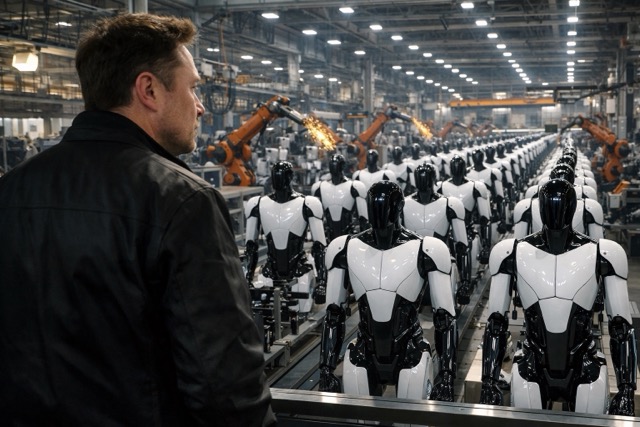
In a move that sent shockwaves through the automotive and tech industries, Tesla announced in January 2026 the cessation of Model S and Model X production, a historic pivot to funnel its formidable resources entirely toward the development of Optimus and artificial intelligence. This isn't merely a new product line; it is Elon Musk's clearest declaration yet that the future of Tesla is not just electric vehicles, but humanoid robotics. The company is betting its legacy on the premise that Optimus will become its most impactful product, transforming global labor and economics.
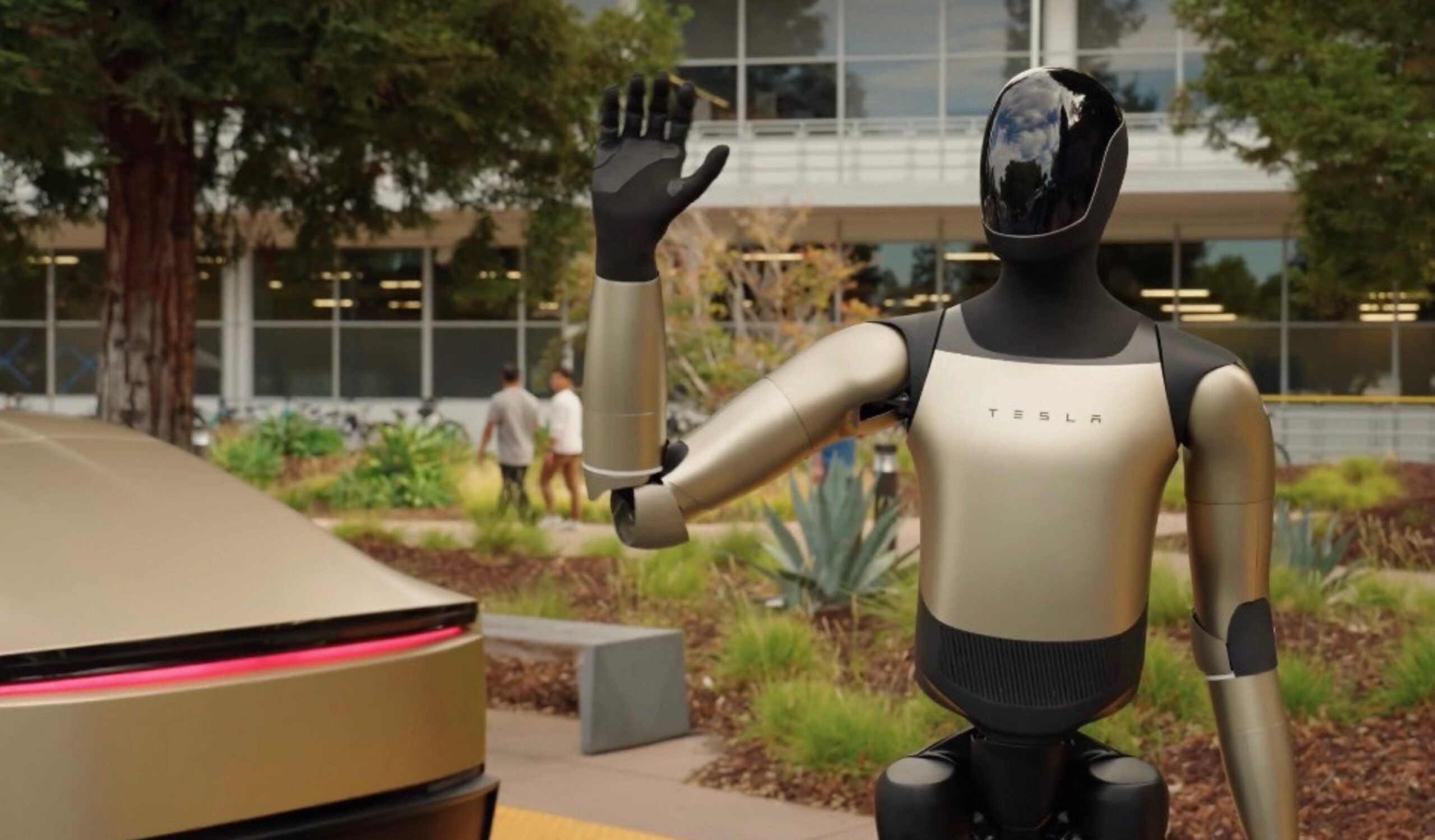
Optimus Gen 3: The 2026 Production Specimen
The robot transitioning from labs to limited production this year is the Optimus Gen 3. It stands at a human-normative 1.73 meters (5'8") tall and weighs approximately 57 kg (125 lbs), a design philosophy aimed at allowing it to operate seamlessly in environments built for people. While full technical specifications remain closely guarded, Tesla has demonstrated significant advancements in dexterity, balance, and task learning. The focus for Gen 3 is on mastering repetitive, precise, or hazardous tasks in controlled settings like Tesla's own factories, serving as a real-world proving ground before broader deployment.
The Strategic Pivot: From Car Company to AI Robotics Leader
Phasing out flagship vehicles like the Model S and Model X is an unprecedented strategic gambit. It signals that Tesla views its core expertise not as car manufacturing, but as the integration of real-world AI, advanced actuators, and battery technology into a mobile platform. The capital, engineering talent, and Gigafactory space previously dedicated to lower-volume premium EVs are now being reallocated to scale Optimus manufacturing and software development. This pivot leverages Tesla's vertical integration strengths while openly challenging the company to create a market that does not yet exist at scale.
Implications for Owners and Investors
For Tesla owners, the immediate future will see the brand's identity evolve beyond the driveway. While the core Model 3 and Model Y lines continue, Tesla's innovation narrative is now dual-track: refining the EV and pioneering the robot. Investors are facing a high-risk, high-reward scenario. The Optimus project consumes enormous R&D capital with an uncertain commercialization timeline, potentially pressuring margins in the near term. However, success could unlock a market orders of magnitude larger than the automotive sector. The bet is clear: Tesla's ultimate value lies not in selling millions of cars, but in deploying millions of intelligent, general-purpose robots into the global economy.