Tesla's journey through 2025 culminated in a fourth-quarter earnings report that underscores a company in a profound state of strategic transition. While vehicle delivery growth showed signs of moderation, the financial results revealed a powerful undercurrent: Tesla is successfully leveraging its core automotive business to fund an aggressive expansion into artificial intelligence, robotics, and energy, setting the stage for what CEO Elon Musk calls the next major growth wave. The figures from Q4 provide the clearest snapshot yet of this pivot in motion.
Solid Automotive Foundation Fuels the Pivot
The final quarter of 2025 saw Tesla produce 434,000 vehicles and deliver 418,000, maintaining its position as a volume leader in the premium EV segment. While year-over-year growth has tempered from its previous meteoric pace, the automotive division continues to generate the substantial revenue and cash flow necessary to bankroll Tesla's ambitious future bets. Crucially, the company's relentless focus on cost optimization and manufacturing efficiency has helped protect margins even amidst a highly competitive global EV market. This financial discipline provides the essential runway for investments in areas that may not see commercial scale for several years.
Energy Storage Emerges as a Powerhouse Performer
Perhaps the most striking operational highlight from the report was the monumental scale of Tesla's energy business. In Q4 alone, the company deployed a staggering 14.2 GWh of energy storage products, a figure that likely represents a new quarterly record and signals the Megapack's transition from a niche product to a mainstream utility-scale solution. This segment is rapidly evolving from a side project into a major profit center, addressing the critical global need for grid stabilization and renewable energy integration. Its high-margin profile and exploding demand position it as a second, equally formidable pillar alongside Tesla's automotive arm.
The Road Ahead: Autonomy, AI, and the "Tesla Ecosystem"
Management's commentary undoubtedly focused on the future beyond the car. The earnings call served as a platform to update investors on the development of the next-generation vehicle platform, expected to dramatically reduce manufacturing costs. Furthermore, significant emphasis was placed on the progress of Full Self-Driving (FSD) software and the Dojo supercomputer project, which are central to Tesla's valuation as an AI company. The vision articulated is one of an integrated ecosystem where autonomous Tesla vehicles, Optimus robots, and energy products operate synergistically, creating a suite of automated, sustainable technologies.
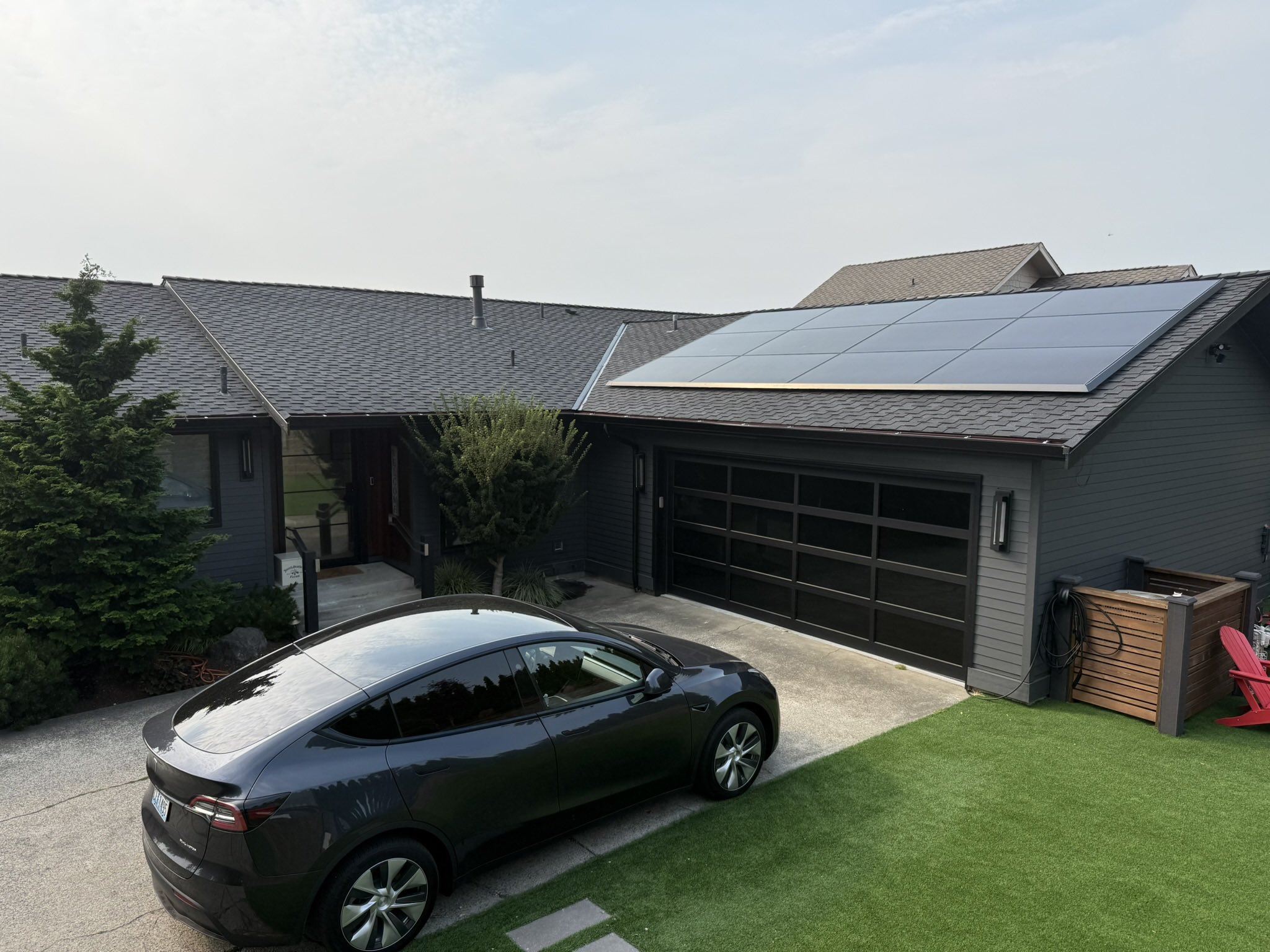
For Tesla owners, this strategic shift promises continuous over-the-air software enhancements that increase vehicle utility and value, particularly as FSD capabilities mature. The growing energy division also offers direct benefits, providing homeowners with integrated solar and Powerwall solutions that complement their EVs. For investors, the narrative is bifurcated. The near-term story remains tied to EV demand, competition, and automotive margins. The long-term thesis, however, is now unequivocally anchored in Tesla's success in commercializing its AI and robotics ventures. The Q4 2025 results demonstrate Tesla has the financial engine to fund this high-stakes dual trajectory, making the coming years a definitive test of its most ambitious promises.