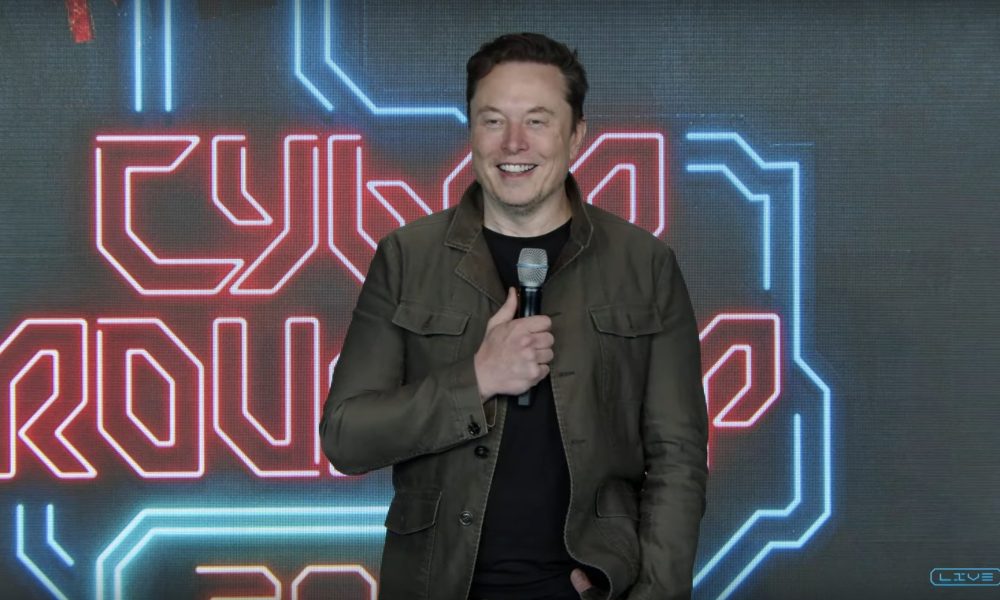
In a move blending philanthropy with high-profile corporate responsibility, Elon Musk and his artificial intelligence company, xAI, have stepped into a critical infrastructure crisis, donating generators to Tennessee as the state grapples with historic power outages. The emergency comes after severe storms, including devastating tornadoes, crippled the region's electrical grid, leaving thousands of households in the dark and cold for days amid freezing temperatures. This direct intervention by one of the world's most watched tech leaders highlights the vulnerability of traditional energy networks and casts a stark light on the broader energy resilience conversation.
A Crisis of Power and a Direct Response
The situation in Tennessee reached a critical point following a series of destructive storms that swept through the central U.S. The damage to power infrastructure was so extensive that utility companies warned some customers they could face up to a week without electricity. With temperatures plummeting, the lack of power transcended inconvenience, becoming a severe public safety and health emergency. Musk and xAI's donation of generators, confirmed via social media, provides immediate, tangible relief for affected communities, offering a vital stopgap for heating, communication, and basic medical needs where the grid has utterly failed.
Beyond Generators: The Unspoken EV and Energy Storage Narrative
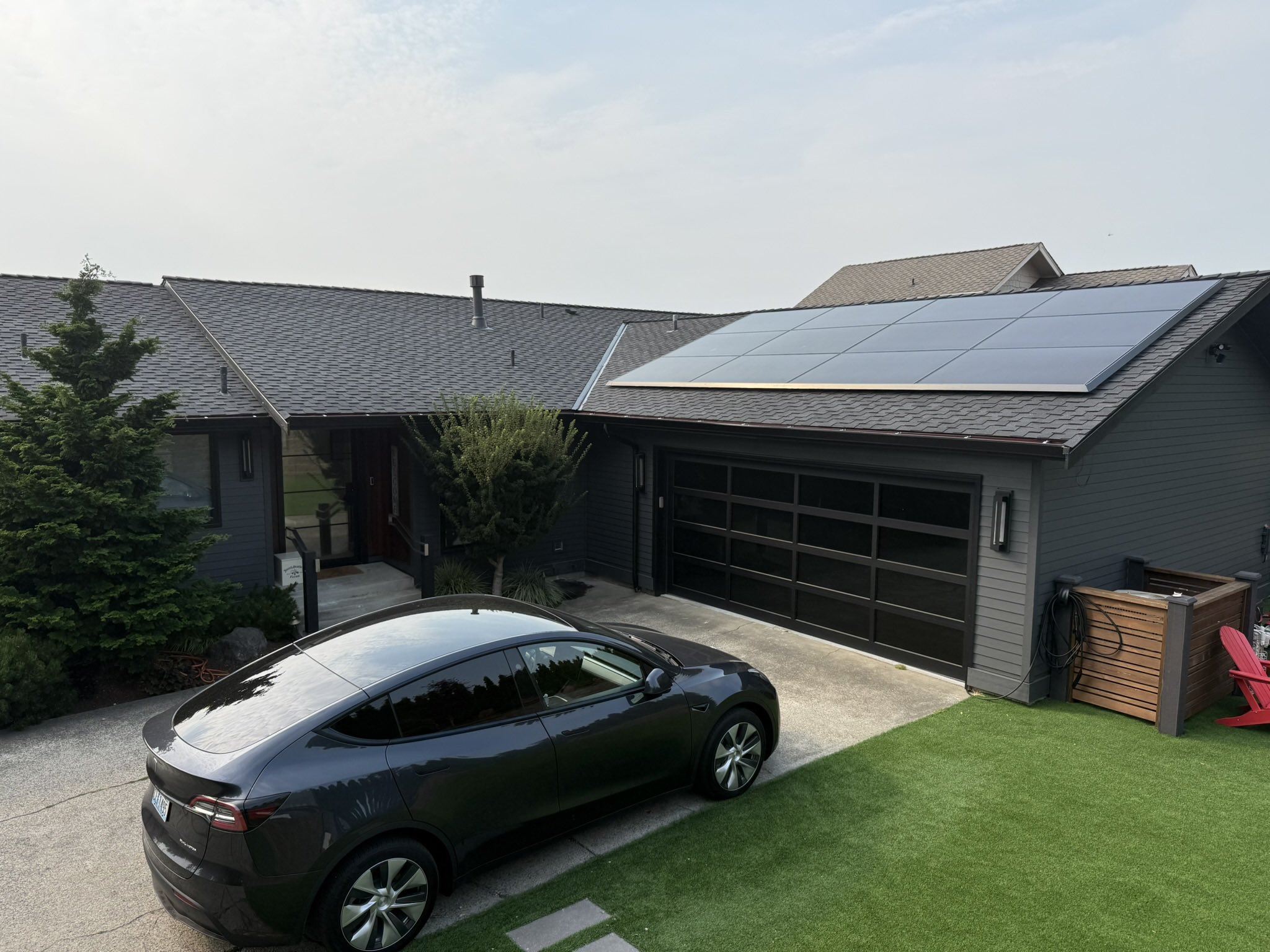
While the generator donation addresses an acute need, the context is impossible to ignore for followers of Musk's ventures. Tesla's core mission is the transition to sustainable energy, with products like the Powerwall home battery and Solar Roof designed to create resilient, decentralized power systems. This emergency underscores the limitations of a centralized grid and serves as a potent, if unintentional, case study for the value of distributed energy storage. For those with home energy systems, such events are a powerful demonstration of energy independence, keeping lights on and homes warm while traditional infrastructure is repaired.
The strategic implications for Tesla and the broader EV ecosystem are significant. Incidents like the Tennessee outages fuel consumer interest in backup power solutions and could accelerate adoption of vehicle-to-home (V2H) technology, where an electric vehicle's battery can power a house. Tesla's Cybertruck, with its touted ability to provide home backup, is positioned as more than just a vehicle; it's a potential lifeline. This real-world crisis demonstrates that the value proposition of electric vehicles and integrated energy products is evolving beyond transportation and cost savings to include essential security and resilience.
Implications for Tesla Owners and Investors
For Tesla owners, this event is a stark reminder to evaluate their own energy resilience. It may drive increased consideration of pairing their EV with a Powerwall or exploring upcoming V2H capabilities. For investors, Musk's action, while humanitarian, also functions as a high-visibility stress test for the ideas Tesla sells. The market for backup power and grid-independent solutions is likely to see heightened attention, potentially benefiting Tesla's energy division. Furthermore, it reinforces Musk's and by extension Tesla's brand as one of proactive, technologically-enabled problem-solving, even in areas outside its direct commercial focus, which can strengthen overall stakeholder confidence in the company's broader vision for the future of energy.