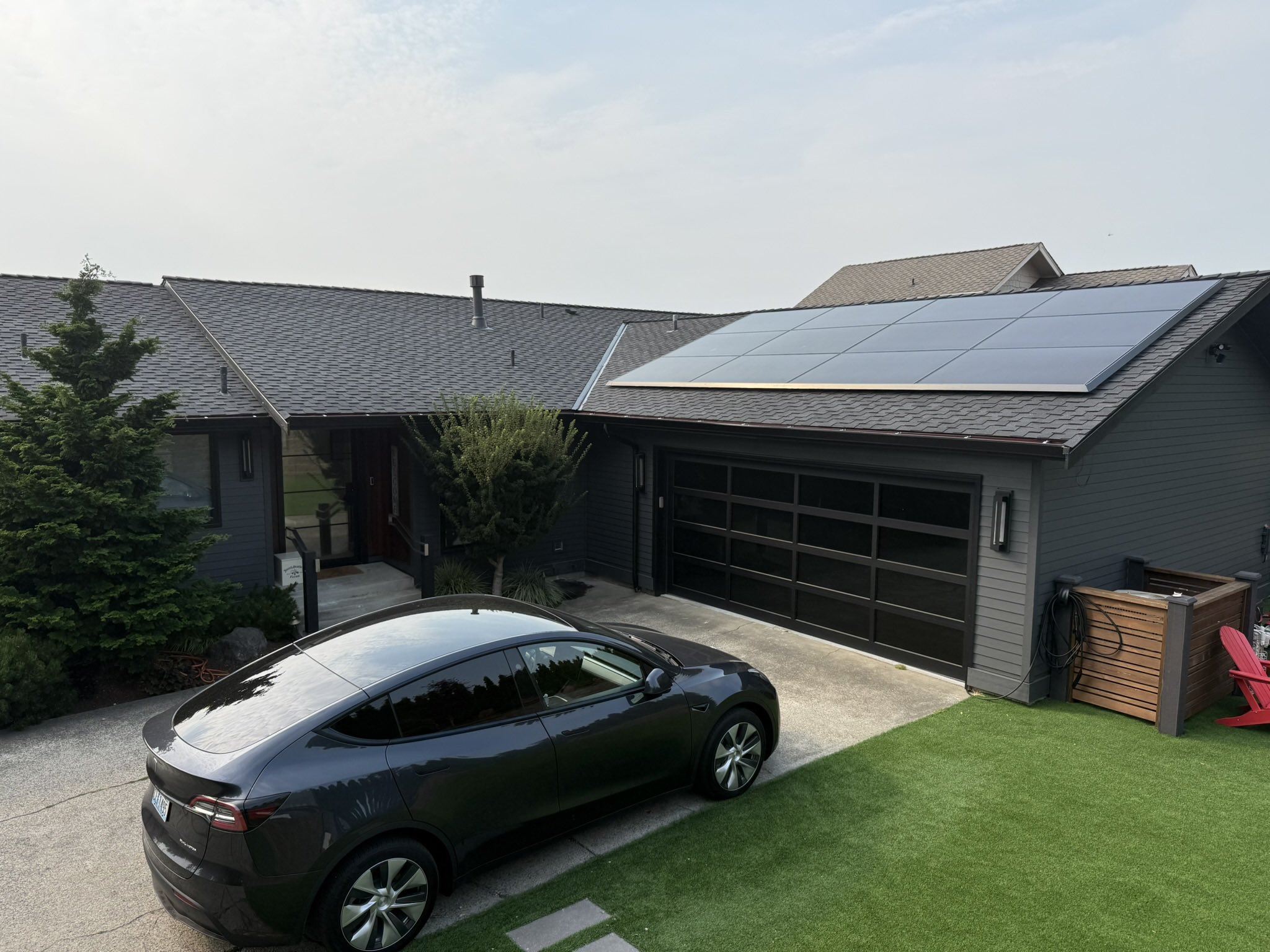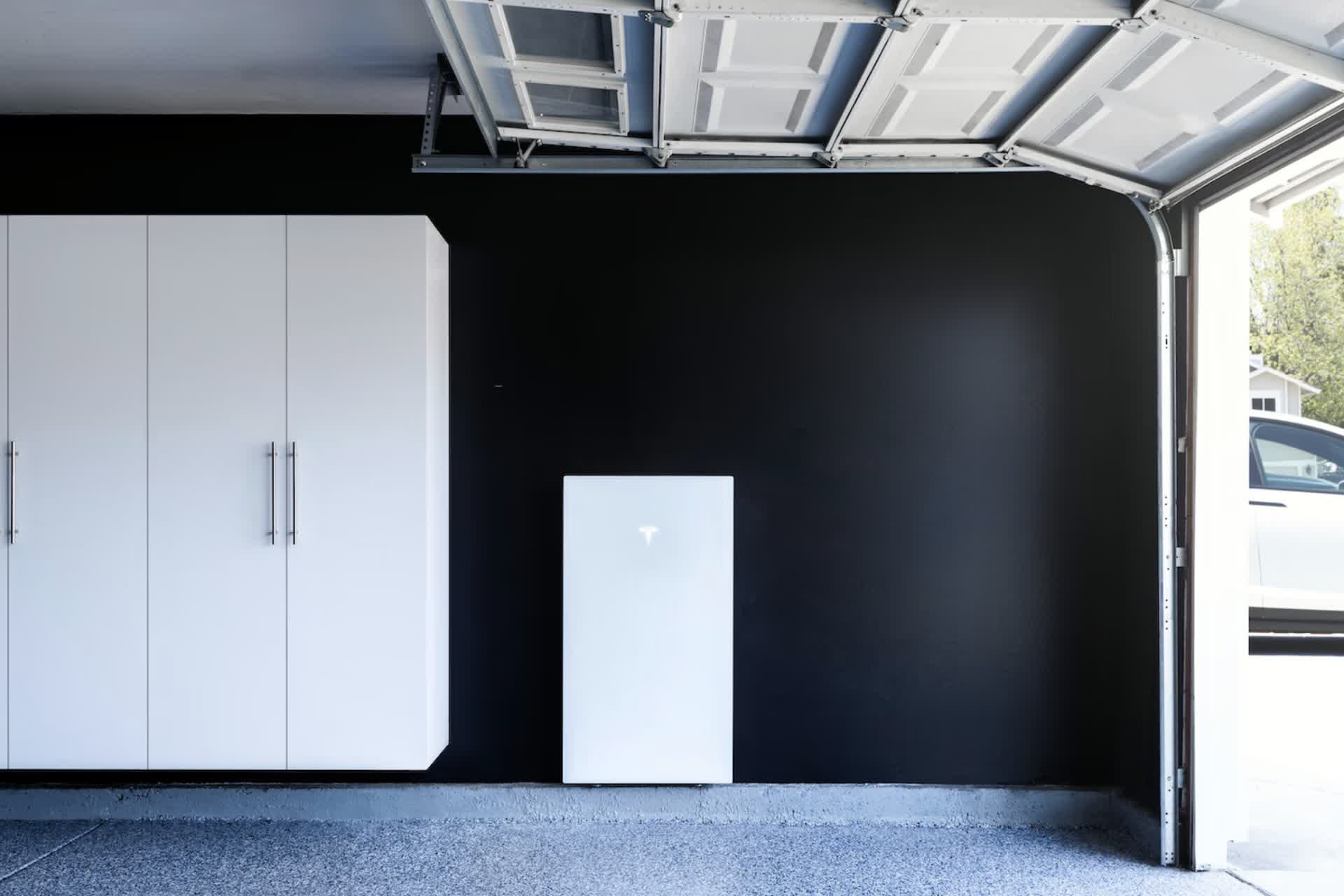
For homeowners across Southern France, the solar equation has long been a paradox of abundance and frustration. The region basks in over 2,800 hours of annual sunshine, yet a staggering 70% of rooftop solar energy is typically exported to the grid for minimal compensation, while residents simultaneously face punishing retail electricity rates. This dynamic is set for a radical shift with the anticipated arrival of the Tesla Powerwall 3 in 2026, a next-generation home battery system poised to redefine energy independence in Europe's sun-drenched south.
The Southern French Solar Dilemma: Exporting Sunshine at a Loss
The core issue lies in the region's immense solar potential clashing with an outdated economic model. Homes generate a surplus of clean energy during peak daylight hours, only to sell it back to the grid for a fraction of its retail value. Meanwhile, they must purchase expensive power from the same grid in the evening. With electricity tariffs projected to rise by an estimated 25% by the end of 2026, this cost squeeze is intensifying. The current setup fails to capitalize on the true value of local solar generation, leaving households vulnerable to volatile energy markets despite their renewable investments.
Powerwall 3: The Key to Unlocking True Energy Autonomy
Enter the Tesla Powerwall 3. While full specifications remain under wraps, industry analysis points to significant advancements over its predecessor, likely including higher storage capacity, increased power output for whole-home backup, and more integrated solar inverter capabilities. For Southern French households, this isn't just an upgrade—it's a strategic energy asset. The Powerwall 3's enhanced specs would allow homeowners to capture vastly more of their daily solar overproduction, storing it for use during high-tariff evening hours and effectively shielding themselves from the worst of the projected price hikes. The goal shifts from selling sunshine cheaply to consuming it directly.
This transition from grid dependency to a self-consumption model transforms the home's solar array into a personal power plant. The advanced software of the Tesla ecosystem, which intelligently manages energy flow based on weather forecasts, usage patterns, and real-time tariffs, will be critical. It ensures every possible kilowatt-hour is optimized for home use, maximizing the financial return on the solar-plus-storage investment. The system doesn't just store energy; it orchestrates it for peak economic and practical benefit.
Implications for the Market and Tesla's European Strategy
The potential impact extends beyond individual utility bills. Widespread adoption of systems like the Powerwall 3 in high-solar regions can alleviate strain on the national grid during peak demand periods, contributing to broader grid stability. For Tesla, Southern France represents a perfect beachhead to demonstrate the transformative power of its integrated energy products. Success here could accelerate adoption across similar Mediterranean climates, solidifying Tesla Energy as a dominant player in the European residential storage market just as energy security concerns reach a fever pitch.
For Tesla owners and investors, the implications are clear. The Powerwall 3 is positioned not merely as a product launch but as a strategic solution to a pressing economic problem. Its value proposition in markets with high solar irradiation and expensive electricity is exceptionally strong, potentially opening a high-margin revenue stream for Tesla Energy. For homeowners, it represents a tangible path to lock in energy costs, increase property resilience, and finally harness the full potential of the abundant southern sun—turning a climatic advantage into lasting financial and energy security.