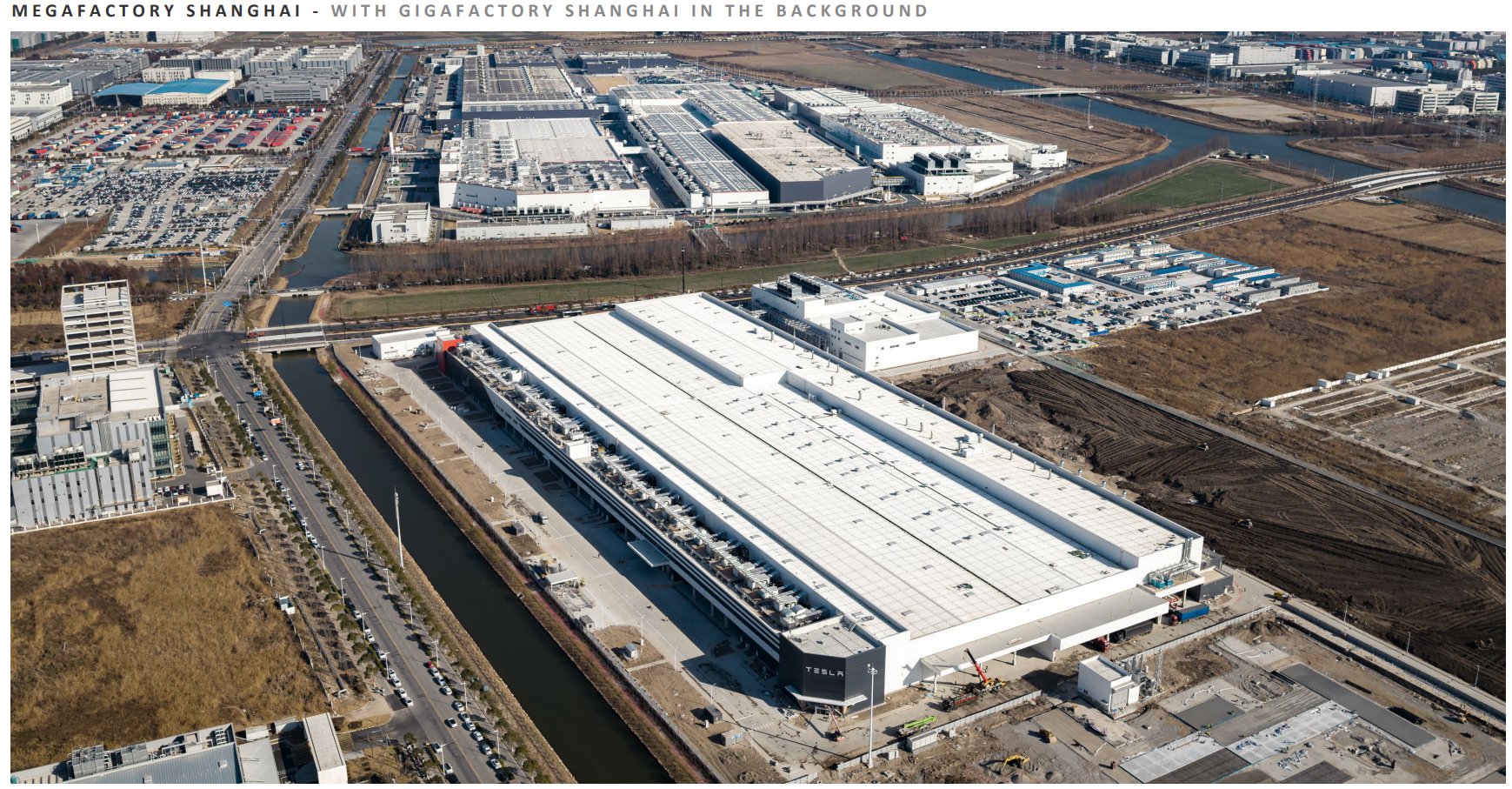
While Tesla's electric vehicles capture headlines, a quiet revolution in energy storage is accelerating at an unprecedented pace. New data confirms that Tesla's dedicated Shanghai Megafactory has shattered expectations, producing over 2,000 Megapack energy storage systems in 2025. This milestone is not merely a production statistic; it is a resounding declaration that Tesla's energy division is scaling at a speed that could soon rival its automotive business, solidifying China's role as the epicenter of global EV and battery manufacturing.
The Shanghai Megafactory: A Strategic Powerhouse
Located within the Lingang New Area, the Shanghai Megafactory was conceived with a singular, ambitious purpose: to be the world's primary export hub for the utility-scale Megapack. This facility's success is a masterclass in vertical integration and strategic positioning. By leveraging the established supply chain efficiencies and manufacturing expertise from Giga Shanghai, Tesla has created a symbiotic industrial ecosystem. The reported output of more than 2,000 units in a single year demonstrates a production cadence that directly addresses the massive, global backlog for grid-scale storage solutions, turning what was once a bottleneck into a torrent of product.
Decoding the Megapack's Market Dominance
Each Megapack is a behemoth, a pre-assembled container capable of storing over 3 MWh of energy—enough to power roughly 3,600 homes for an hour. The surge in production directly correlates with soaring global demand. Utilities and renewable project developers are under immense pressure to stabilize grids increasingly fed by intermittent solar and wind power. Tesla's product, with its streamlined installation and integrated software, offers a turnkey solution. This output level suggests Tesla is not just participating in the energy transition but actively seeking to control the infrastructure at its core, converting a electric vehicle company's battery expertise into the foundation for modern utilities.
The implications of this manufacturing velocity extend far beyond the factory gates. Ramping to this scale likely places significant downward pressure on the cost per megawatt-hour of storage, a key metric for project economics. Furthermore, it allows Tesla to pursue larger and more ambitious projects globally, from virtual power plants in California to gigawatt-hour-scale installations in Asia and Europe. This production muscle validates CEO Elon Musk's long-stated thesis that Tesla's energy business will ultimately eclipse its automotive side in volume.
What This Means for Tesla Owners and Investors
For Tesla owners, the energy division's success is not a sideshow. The profitability and technological learnings from Megapack production directly benefit the broader ecosystem, including potential future advancements in home Powerwall units and vehicle batteries. For investors, the Shanghai milestone is a critical data point. It transforms the energy segment from a promising "other" revenue line into a tangible, high-growth engine that diversifies Tesla's revenue streams and reduces cyclical exposure to the auto industry. As the world's grids demand more storage, Tesla is positioning itself as the indispensable supplier, building a moat as formidable in energy as it has in electric vehicles.