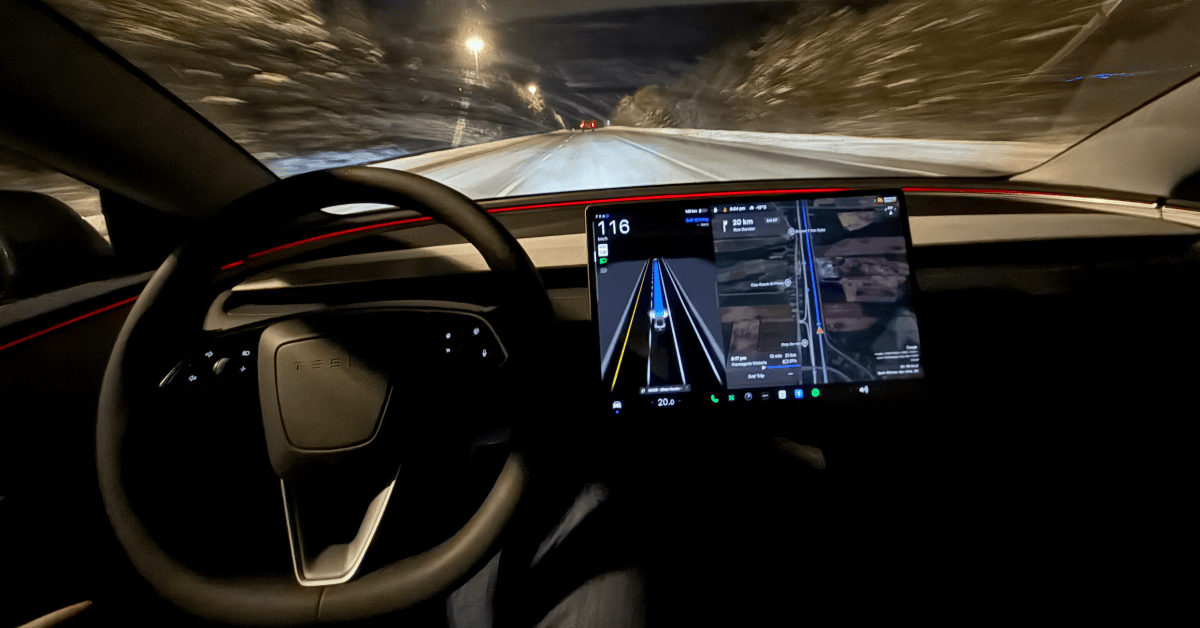
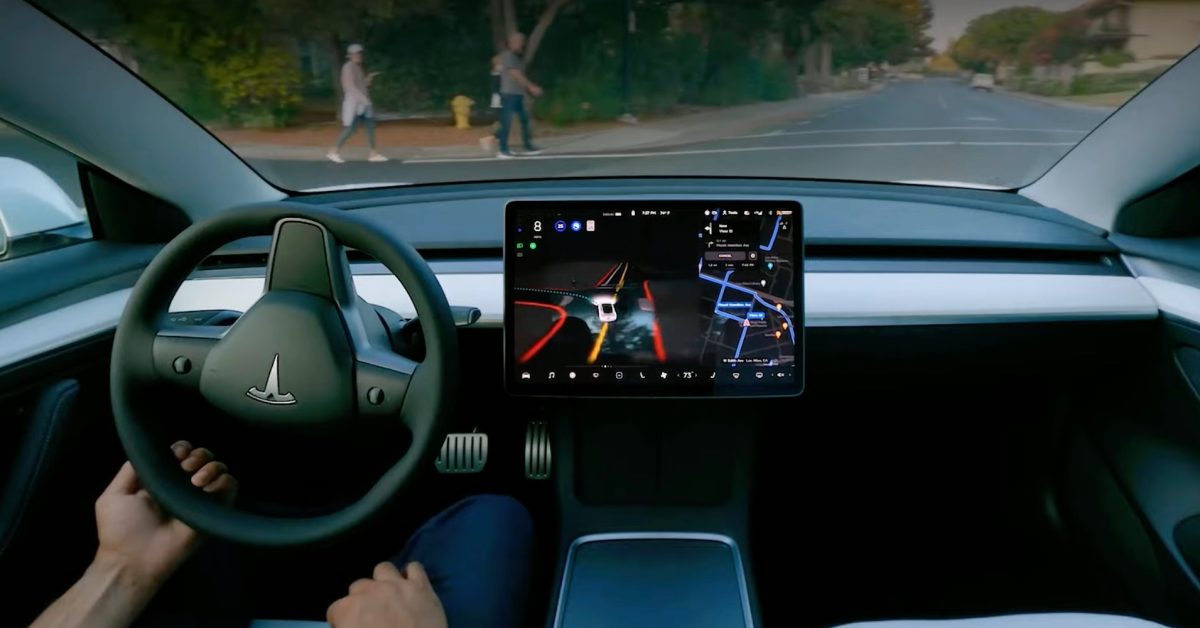
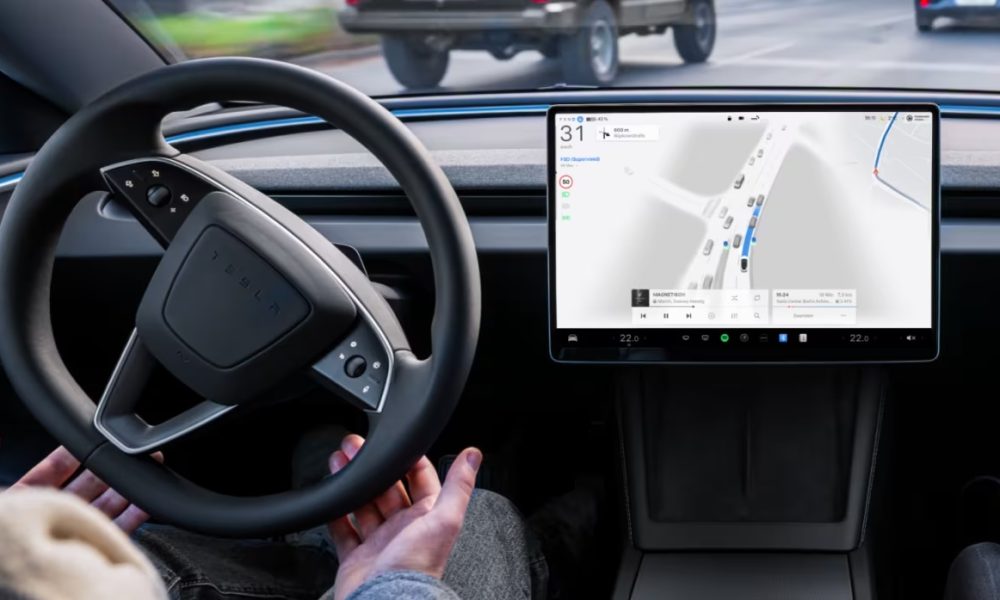
Tesla is charting two sharply different courses on driver monitoring for its Full Self-Driving (FSD) suite, tightening the rules in Europe while steadily relaxing them in the United States. The split approach, revealed in the company's latest software rollout, underscores how regional regulation, safety scrutiny, and executive messaging are pulling the EV maker's flagship driver-assistance feature in opposite directions — and it raises fresh questions for owners and investors about what "FSD" will mean depending on where they drive.
Europe: Earlier Warnings and a Hard Strike for Distraction
Tesla's European FSD package is getting notably stricter. Under the new regime, drivers receive earlier warnings when the system detects inattention, and looking away during an active manoeuvre now triggers a full strike against the driver — a serious penalty that can suspend access to the feature. The update also imposes a hands-on-wheel requirement above 130 km/h (81 mph), forcing drivers to keep physical contact with the steering wheel at higher speeds even when FSD is engaged.
The changes reflect Europe's more prescriptive regulatory environment, where driver-monitoring rules under the region's vehicle approval frameworks leave Tesla little room to experiment with lenient attention policies. For Tesla, the message is clear: in Europe, FSD remains a supervised system in the most literal sense, with consequences for drivers who treat it otherwise.
United States: A Looser, CEO-Endorsed Approach
Across the Atlantic, Tesla has spent the past year moving in the opposite direction. Recent US software builds were tuned to nag drivers less frequently, reducing the steering-wheel prompts that have long annoyed owners. More strikingly, CEO Elon Musk has publicly told owners they can text and drive while FSD is active — a stance that alarms safety advocates and contrasts sharply with Tesla's own user manuals, which insist drivers remain attentive and ready to intervene.
That divergence is not incidental. Tesla faces far heavier regulatory pressure in Europe, where authorities have scrutinised FSD's branding and capability claims, while the US market has become a testing ground for a more permissive philosophy built around Musk's vision of autonomy.
Why the Split Matters
The two-track strategy creates a fragmented user experience for a feature marketed under a single global name. A Tesla owner in Germany or France faces earlier warnings and strike penalties, while an owner in California may encounter a system that intervenes far less. For a company that sells FSD as a software product spanning markets, that inconsistency complicates both customer expectations and regulatory storytelling.
The stakes extend beyond convenience. Driver-monitoring policy sits at the heart of ongoing scrutiny into whether FSD's marketing overstates its capabilities — a debate that has drawn attention from safety regulators and litigants alike. Tesla's willingness to loosen monitoring in the US, at the CEO's encouragement, could become Exhibit A in future inquiries, even as its European caution offers a counterweight.
For Tesla owners, the practical takeaway is to know which rules govern their software build: European drivers should expect sharper attention enforcement, including the hands-on-wheel rule at highway speeds, while US drivers should not mistake reduced nagging for reduced responsibility. For investors, the split signals that FSD's path to wider acceptance runs through a patchwork of regional regulators — and that Tesla's ability to harmonise safety policy, rather than simply ship features, will shape the feature's commercial future.