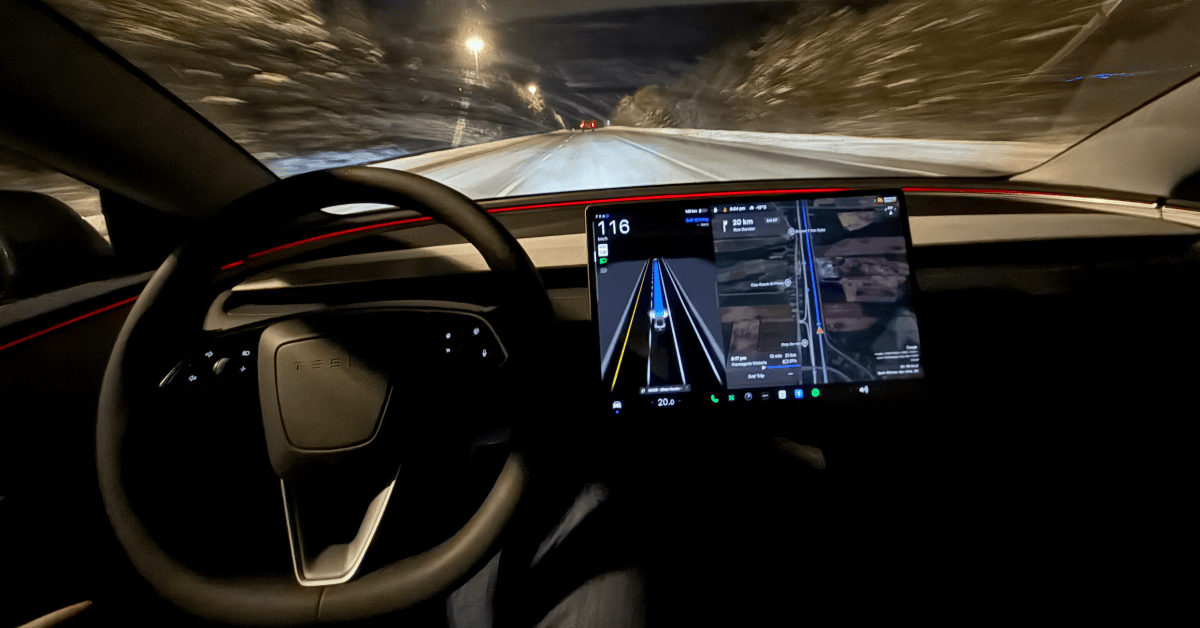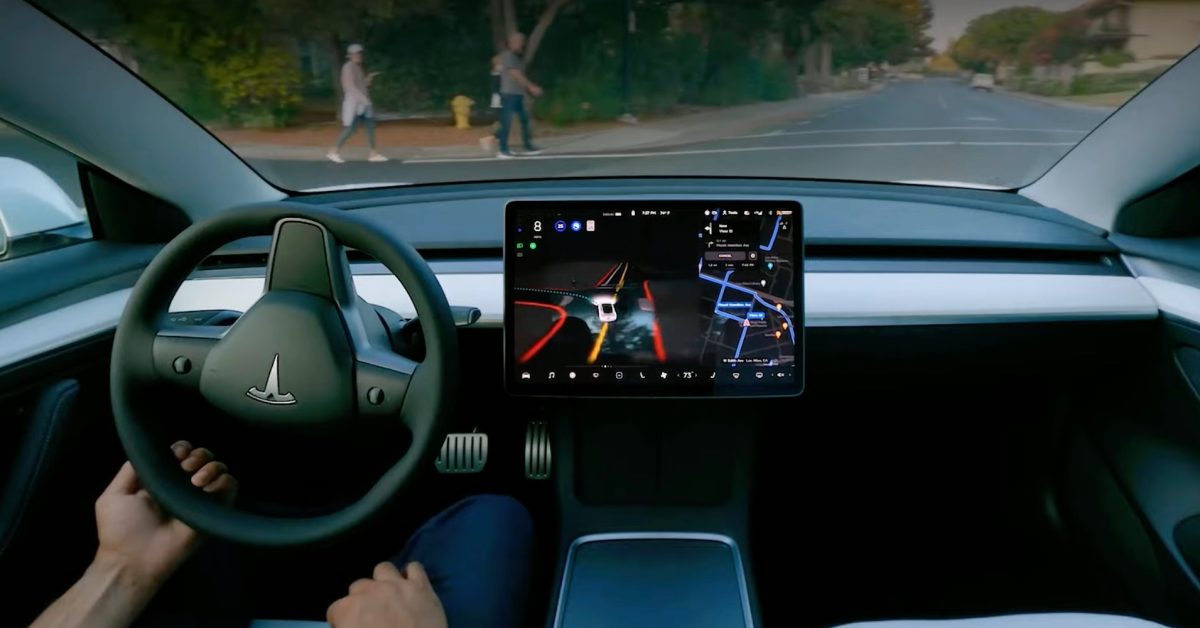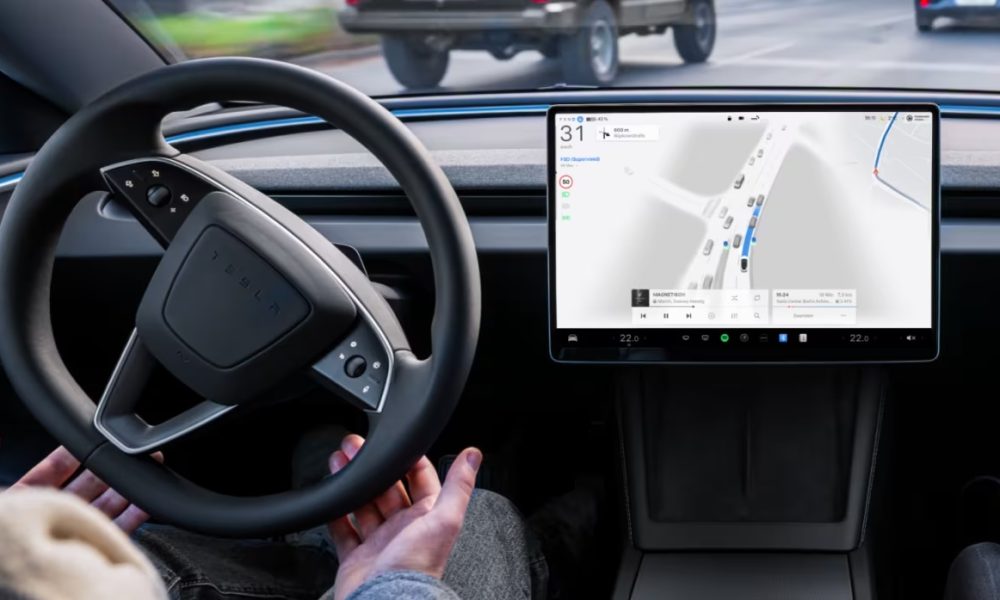
Tesla's long march through Europe's regulatory maze just notched its most significant victory yet. Tesla Assisted Driving (TAD) — the continent's counterpart to the American Full Self-Driving (FSD) suite — has secured official approval to operate in Italy, making it the 12th European Union country to greenlight the technology. But this is no routine addition to the tally: Italy is the first genuinely major European market to grant the nod, and the milestone signals that Brussels-era resistance to Tesla's driver-assistance ambitions may finally be cracking.
A Regulatory Breakthrough, Not Just Another Checkbox
Until now, Tesla's TAD rollout had largely been confined to smaller EU markets — a pattern that let skeptics dismiss the approvals as incremental and low-stakes. Italy changes that calculus entirely. With roughly 39 million registered vehicles and one of the continent's most densely trafficked road networks, the country represents a substantial proving ground for Tesla's vision-based driver-assistance stack. The approval also carries symbolic weight: Italy's regulators are known for a cautious posture toward automated driving features, and their sign-off lends credibility that smaller nations simply cannot.
The news, first reported by TESLARATI, frames the approval as a breakthrough for Tesla's European certification pipeline. That pipeline has been the company's quiet bottleneck for years, as each EU member state subjects advanced driver-assistance systems to its own national review process alongside overarching regional frameworks.
Why Europe Has Been So Slow — and Why It Matters
Tesla's FSD suite has been available to U.S. customers for years, but Europe's regulatory architecture has kept the more advanced features on ice. National homologation requirements, strict UNECE vehicle regulations, and differing interpretations of driver-monitoring rules have forced Tesla to pursue country-by-country approvals rather than a single continental launch. Each new market means fresh documentation, localized testing, and negotiations with transport authorities.
Italy's approval therefore does more than expand the map — it establishes a template. If a major market with complex urban traffic and rigorous oversight can certify TAD, regulators in Germany, France, and Spain face mounting pressure to follow suit. Tesla has consistently argued that its camera-first, over-the-air-updatable approach meets or exceeds safety benchmarks, and every additional approval strengthens that case in front of skeptical officials.
The Competitive and Commercial Stakes
For Tesla, TAD approval in Italy is a revenue lever as much as a technological trophy. Driver-assistance packages are among the company's highest-margin software products, and unlocking them across 12 EU countries widens the addressable customer base considerably. It also reinforces Tesla's core pitch: that its vehicles improve after purchase through software updates — a differentiator legacy automakers have struggled to match at scale.
The timing is pointed. European rivals are rolling out their own hands-on highway assist systems, and Chinese EV makers are entering the continent with increasingly sophisticated software. Tesla's ability to say its flagship driver-assistance suite is approved in a dozen EU nations — including, now, a heavyweight like Italy — is a marketing asset that competitors cannot easily replicate overnight.
For Tesla owners and investors, the implications are twofold. Owners in Italy can expect TAD features to arrive via over-the-air update in the near term, while owners elsewhere in Europe should watch whether Italy's approval accelerates reciprocal decisions in larger markets. Investors, meanwhile, should treat the news as evidence that Tesla's European software monetization story is maturing — slowly, market by market, but with a trajectory that now runs through Rome. The next major approval will be the one to watch.