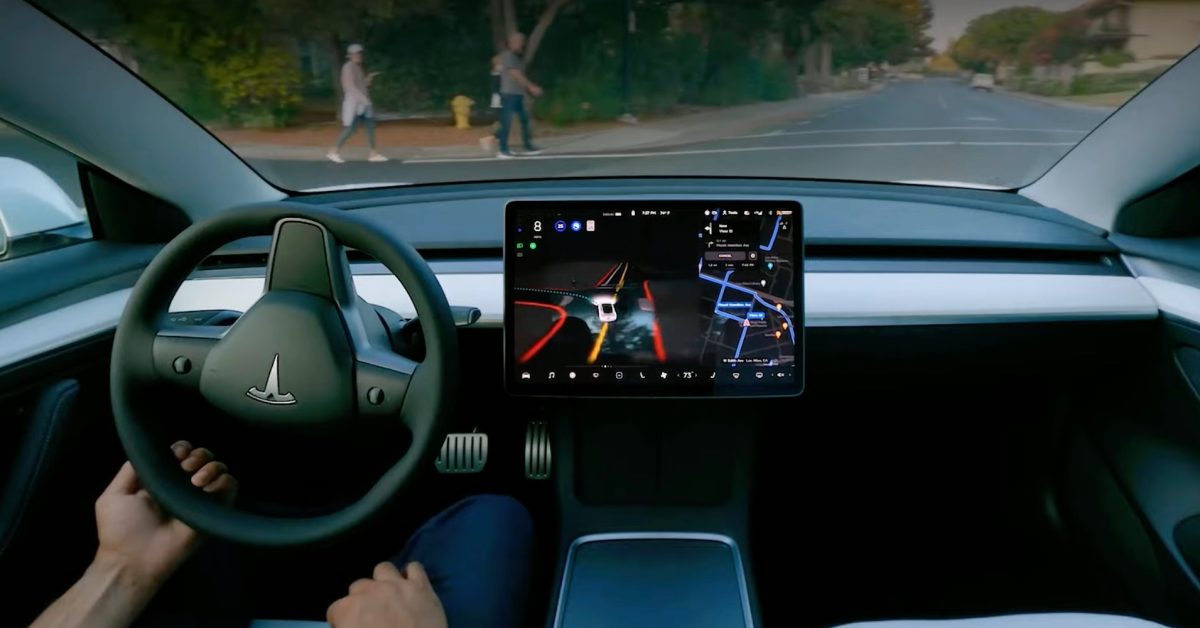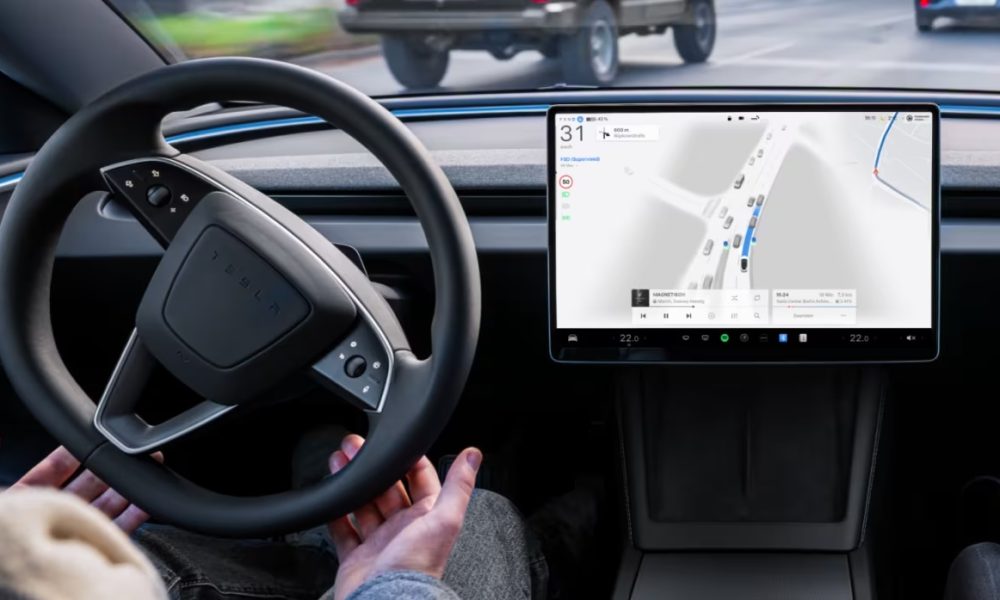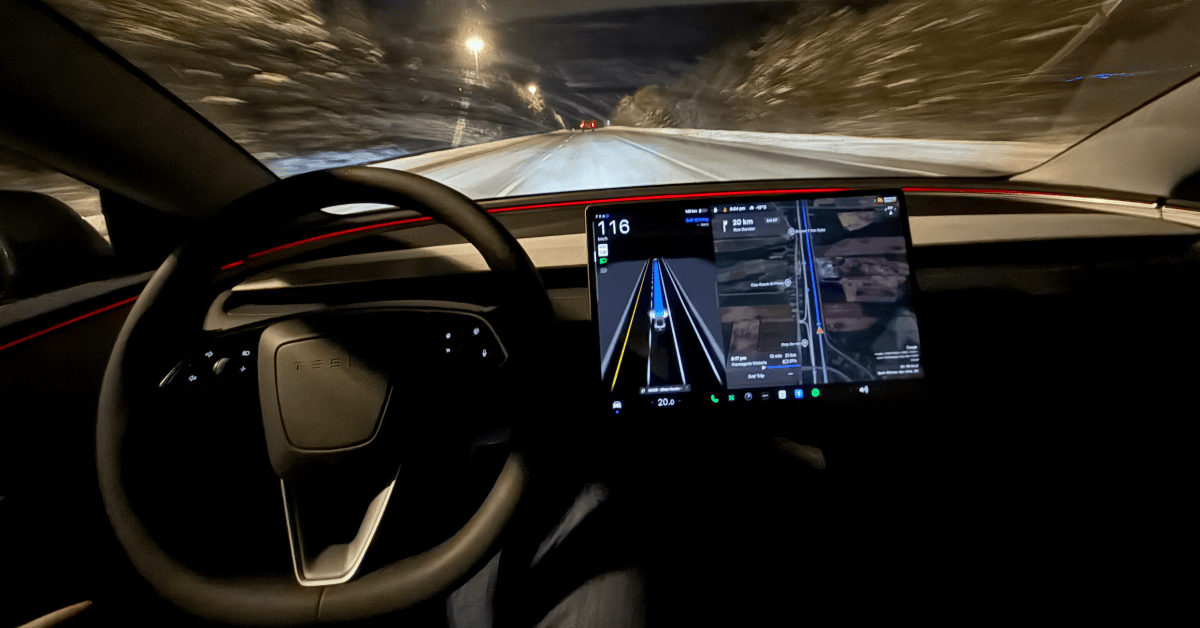
Tesla’s long-awaited European rollout of its Full Self-Driving software has hit yet another bureaucratic speed bump. The Technical Committee on Motor Vehicles (TCMV)—the European Union body that could greenlight the technology across all member states—has postponed its scheduled December 1 meeting, pushing the decision to December 15. The delay, confirmed by a European Commission spokesperson to Reuters, marks the latest twist in a regulatory saga that has already stretched across multiple sessions without resolution.
Two Discussions, Zero Votes
The TCMV has now examined Tesla’s regulatory file at two separate meetings without bringing the matter to a formal vote. That pattern suggests the committee remains divided or is seeking further technical clarity before committing to a bloc-wide approval. For Tesla, the stakes are substantial: a positive vote would allow the company to deploy its advanced driver-assistance features—marketed in Europe as Tesla Assisted Driving—across the EU’s roughly 450 million consumers in a single stroke.
The naming shift itself reflects the regulatory tightrope Tesla must walk in Europe. Unlike in North America, where the company uses the Full Self-Driving branding, European regulators have pushed for more conservative labeling that better reflects the system’s capabilities and legal limitations. The EU’s approval framework requires automakers to demonstrate that assisted-driving features meet stringent safety and liability standards before they can be sold across borders.
Why the Delay Matters
Each postponement carries real financial and competitive consequences. Tesla has invested heavily in its FSD software stack, and European revenue from the feature has been effectively locked behind regulatory gates. Competitors, meanwhile, are advancing their own driver-assistance offerings in the region, raising the risk that Tesla cedes early-mover advantage in one of the world’s most regulated—and most lucrative—EV markets.
The TCMV’s hesitation may also signal deeper concerns among member states about how Tesla Assisted Driving performs on European roads, which differ significantly from American highways in signage, lane markings, and urban density. A bloc-wide approval would set a precedent for how the EU handles increasingly automated driving systems from all manufacturers, not just Tesla.
What Comes Next
All eyes now turn to December 15, when the committee reconvenes with the option to finally call a vote. Tesla has not publicly commented on the rescheduling, but the company’s European supporters have grown vocal about the pace of regulatory progress. A further delay beyond December would push approval into 2025, complicating Tesla’s plans for a broader software revenue push in the region.
For Tesla owners and investors, the message is one of patience punctuated by risk. Owners in Europe awaiting access to the latest assisted-driving features should temper expectations until the TCMV actually votes—not merely schedules another meeting. Investors, meanwhile, should watch the December 15 session closely: approval would unlock a new recurring-revenue stream across the EU, while another deferral would reinforce concerns that regulatory friction in Europe remains a stubborn headwind for Tesla’s software ambitions.