Italy Breaks Ranks With Brussels
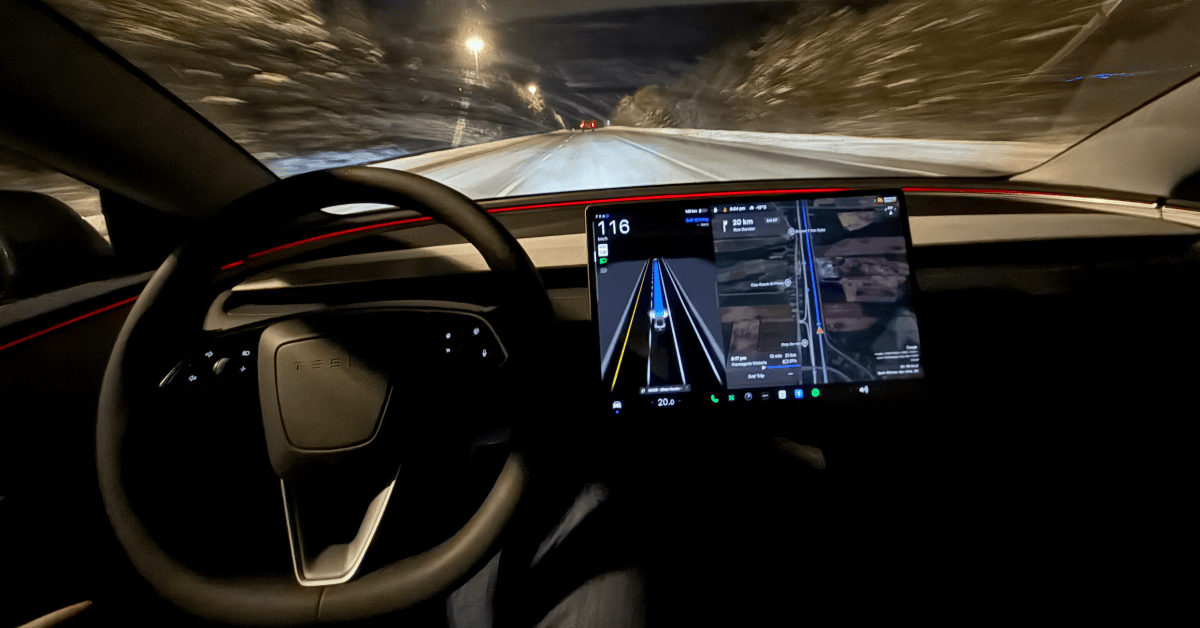
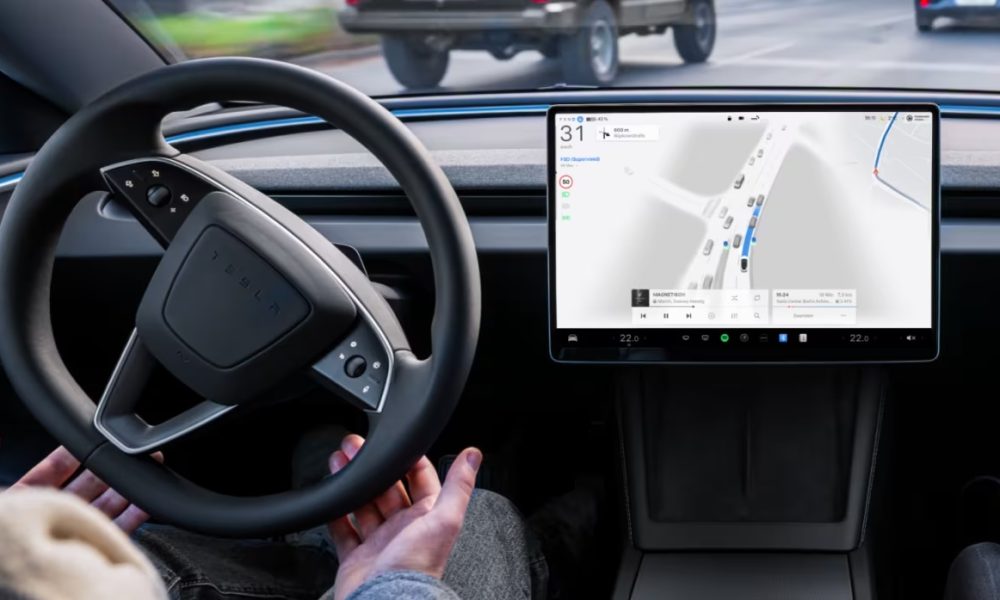
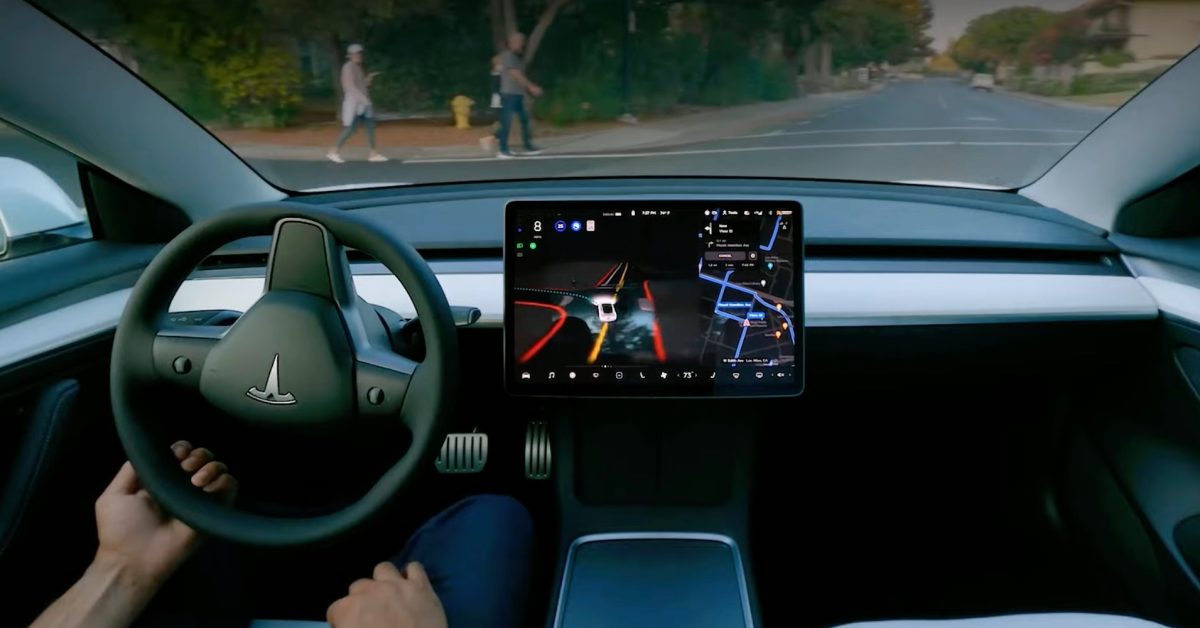
The approval covers what Tesla now markets in Europe as Tesla Assisted Driving, the branding the automaker has adopted for its Full Self-Driving (Supervised) system on the continent. The “supervised” designation reflects the system’s operational reality: it requires an attentive driver ready to take control at any moment, and it does not confer autonomous driving status under current European rules.
What makes Rome’s move notable is its timing. The EU committee responsible for deciding bloc-wide recognition of such systems is not expected to vote until December at the earliest. By acting ahead of that process, Italy has signalled that national regulators are prepared to move faster than the European harmonisation machinery — a calculated bet that early adoption benefits both road safety research and domestic EV competitiveness.
A Patchwork Map Across Europe
Italy joins a growing but uneven list of 12 European countries where Tesla’s supervised driving features have received the green light. That patchwork creates a familiar challenge for the electric vehicle maker: a car sold in one member state may offer a materially different feature set than an identical model sold across the border. For Tesla, which builds and ships vehicles at continental scale, regulatory fragmentation adds complexity to software rollout, customer communication, and service operations.
The Italian approval is provisional, meaning it carries conditions and a review horizon rather than permanent status. Tesla will need to demonstrate that the system performs safely on Italian roads — with their distinctive mix of dense urban traffic, variable signage, and aggressive driving norms — to convert the temporary green light into a durable one. That real-world data will also become a de facto case study for regulators in Germany, France, and Spain, the bloc’s other heavyweight markets, all of which are watching how early adopters fare.
Why It Matters Beyond Italy
The strategic stakes extend well beyond one country. Tesla has staked a substantial portion of its valuation narrative on autonomy, and its supervised driving software is both a revenue stream and a competitive moat against rivals pouring resources into advanced driver assistance. Every national approval strengthens the company’s hand in Brussels, where a positive December vote on bloc-wide recognition would dramatically simplify deployment and eliminate the current country-by-country slog.
There is also a competitive dimension. European automakers have lobbied for cautious, harmonised rules, partly because a fragmented approval landscape favours a software-first player like Tesla that can iterate quickly. Italy’s decision weakens that argument and may accelerate pressure on the EU committee to act decisively rather than defer.
For Tesla owners in Italy, the practical effect is immediate access to a feature set that has been available to drivers elsewhere in Europe for months. For investors, the signal is subtler but more consequential: regulatory momentum in the world’s second-largest EV market is building, and the first big EU domino has now fallen. Whether the rest follow before December — or wait for Brussels — will determine how quickly Tesla can turn supervised driving from a regional curiosity into a continental standard.