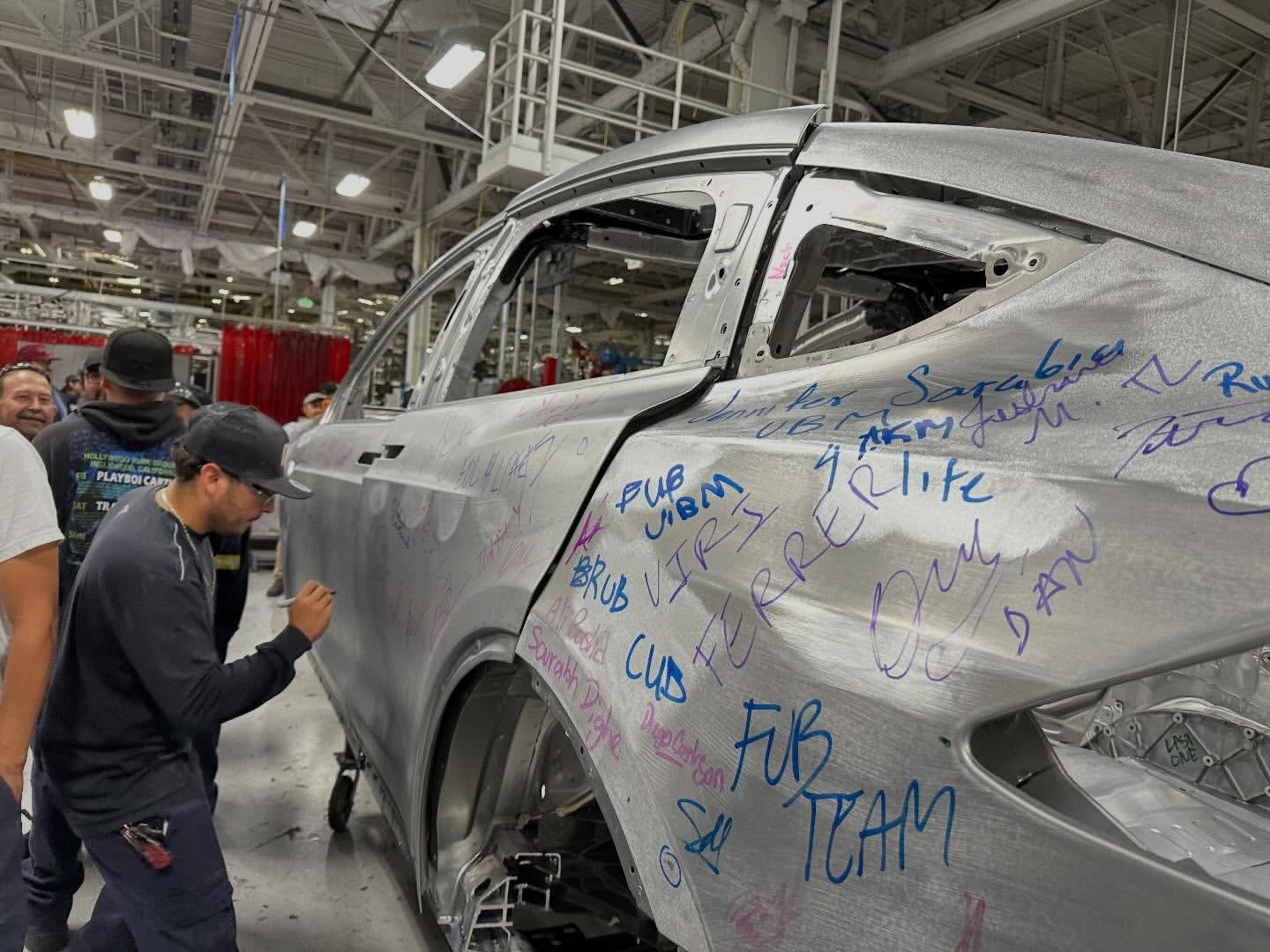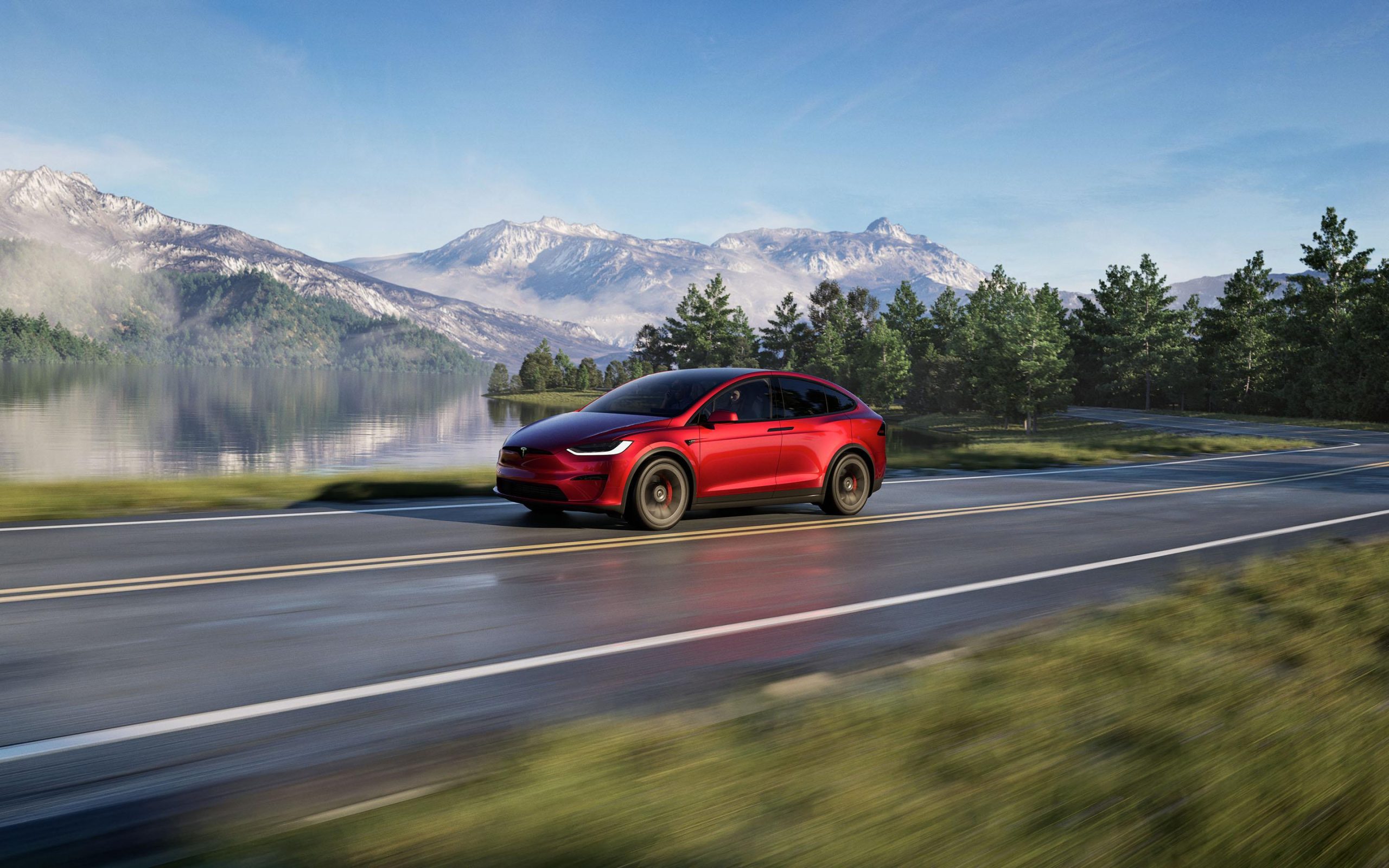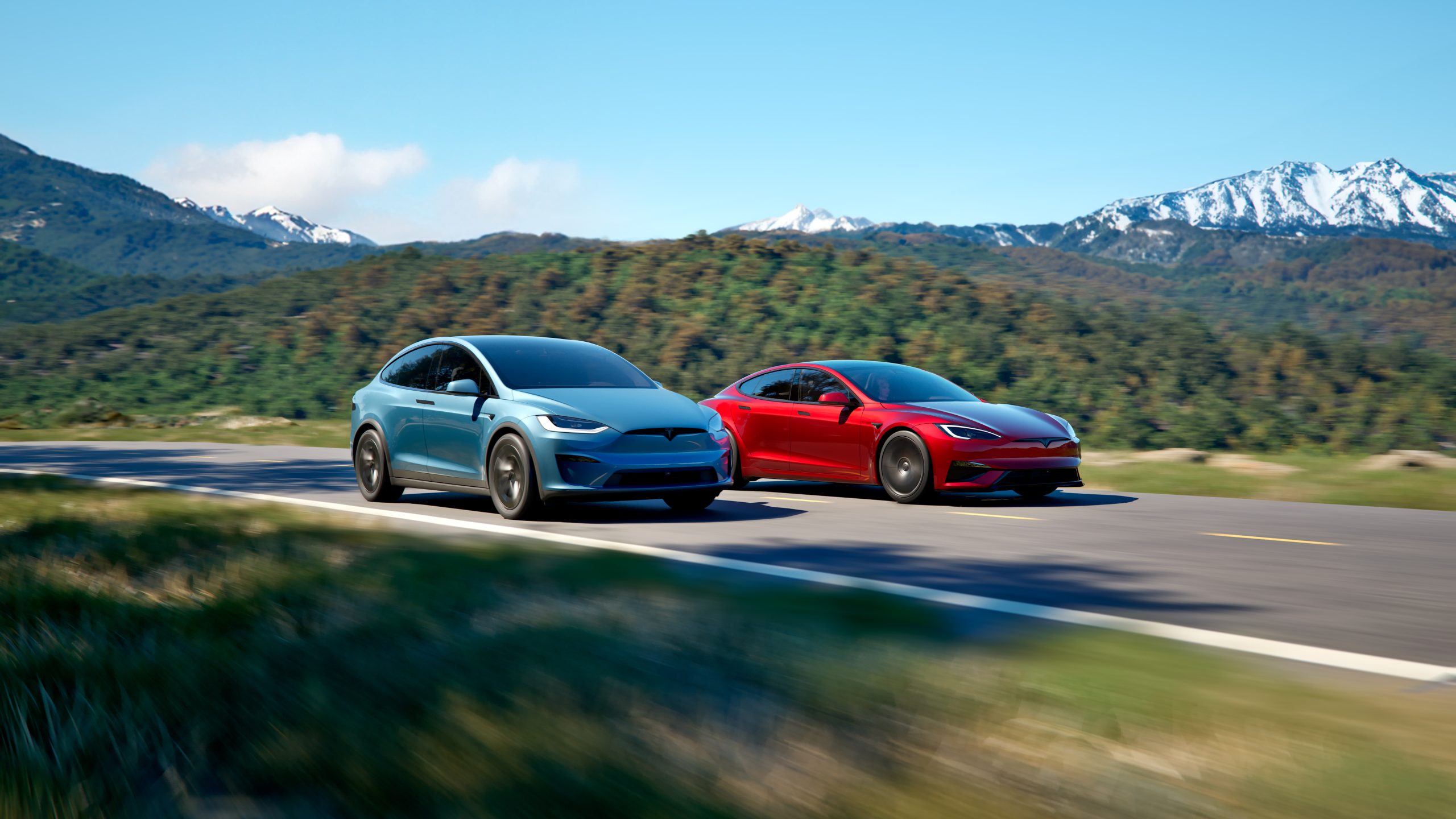
The flagship era at Tesla is officially drawing to a close. In a move that signals a profound strategic pivot, CEO Elon Musk has confirmed that Tesla will discontinue production of its pioneering Model S sedan and Model X SUV in the second quarter of 2026. This decision marks the end of the road for the vehicles that first proved electric vehicles could be desirable, high-performance luxury machines, fundamentally reshaping the automotive landscape and establishing Tesla's brand as a force to be reckoned with.
The End of an Era for Tesla's Trailblazers
Launched in 2012 and 2015 respectively, the Model S and Model X were more than just cars; they were technological flagships and brand ambassadors. The Model S, with its groundbreaking range and Ludicrous Mode acceleration, shattered the stereotype of the slow, boring EV. The Model X followed with its iconic falcon-wing doors and immense utility, cementing Tesla's reputation for innovation. However, their sales volumes have been consistently eclipsed by the high-volume Model 3 and Model Y, which now form the overwhelming core of Tesla's business. Discontinuing these lower-volume, more complex vehicles allows Tesla to streamline manufacturing, reduce parts complexity, and reallocate engineering resources toward more impactful projects.
Strategic Reallocation and the Road Ahead
This discontinuation is not a retreat, but a redeployment. The move frees up critical engineering talent and production capacity at Tesla's Fremont factory and beyond for the company's next generation of products. The focus is now squarely on scaling the next-generation vehicle platform, accelerating the development of the Robotaxi, and ramping up production of the long-awaited Cybertruck. Furthermore, resources can be directed toward solving the immense challenges of bringing the Roadster and Semi to full-scale production. In essence, Tesla is trading two legacy halo cars for a broader, more futuristic portfolio aimed at dominating both the mass market and new segments of autonomous and commercial transport.
For current Model S and Model X owners, the announcement brings a mix of nostalgia and practical concerns. Their vehicles are set to become coveted pieces of automotive history, potentially affecting residual values. Tesla has committed to providing parts and service support for many years beyond the end of production, a standard practice in the auto industry. However, the long-term ecosystem for these models, including third-party repair support and software update attention, will be a key area to watch as 2026 approaches.
For investors, this is a clear signal of Tesla's maturation from a niche luxury player to a volume-driven, platform-focused technology company. It underscores a relentless focus on operational efficiency and capital allocation. While the profit margins on the S and X were healthy, the capital and human hours required to sustain them are now deemed better spent on projects with exponentially higher growth potential. The market will now judge Tesla on its ability to execute this transition smoothly and deliver on the promises of its next-generation platform without the halo effect of its original flagship vehicles.