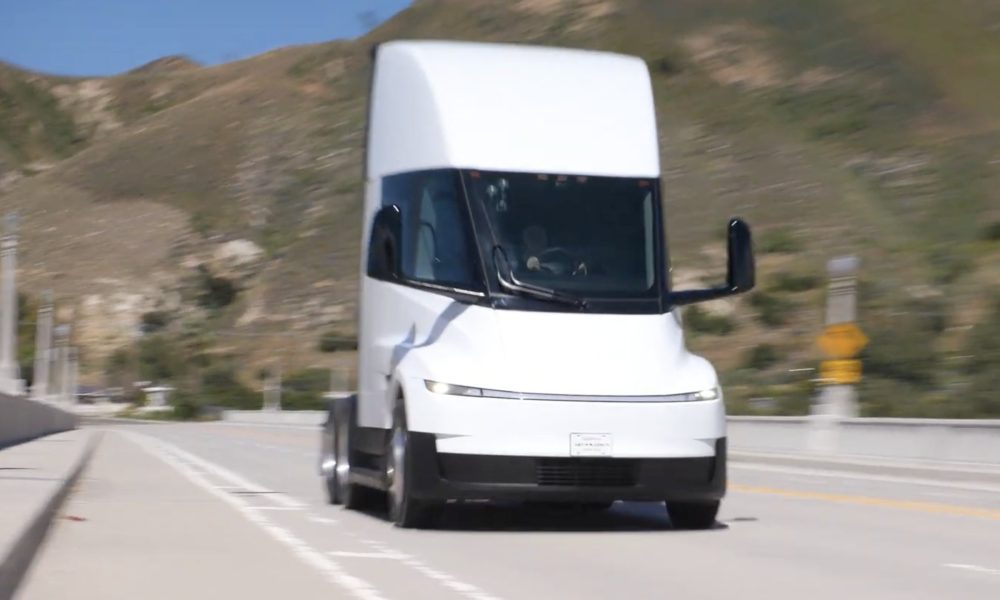
Tesla is not just building an electric truck; it is systematically dismantling the economic and operational arguments that have kept the freight industry tethered to diesel. The company’s latest move regarding the Tesla Semi sends a clear, unequivocal signal to legacy truck manufacturers and fleet operators: the era of the internal combustion engine in heavy-duty transport is numbered. By scaling production with surgical precision and leveraging its manufacturing ecosystem, Tesla is proving that electric semi-trucks are not a niche experiment, but the inevitable future of logistics.
Dedicated Assembly Lines Signal Mass Production Ambition
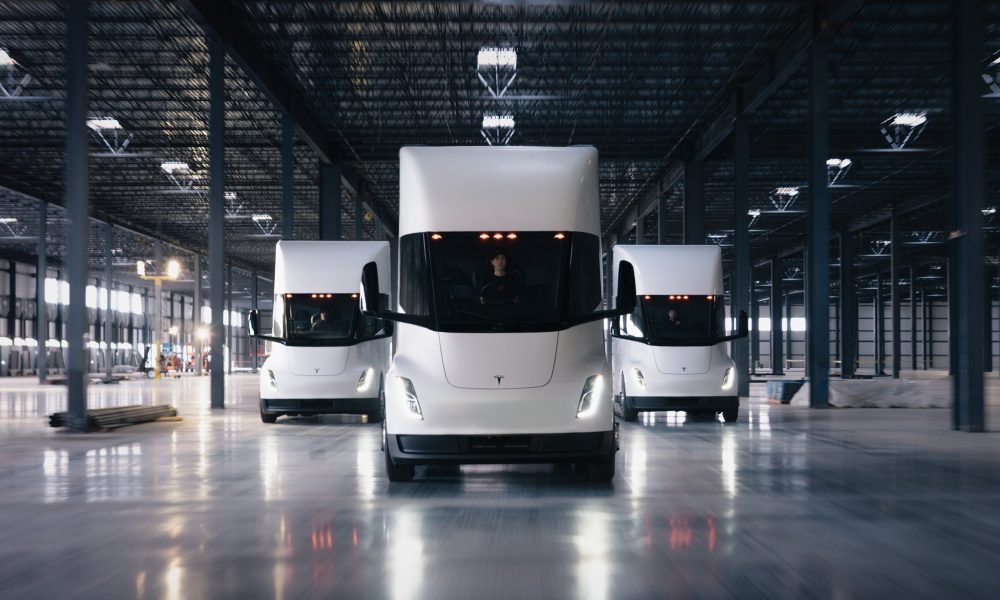
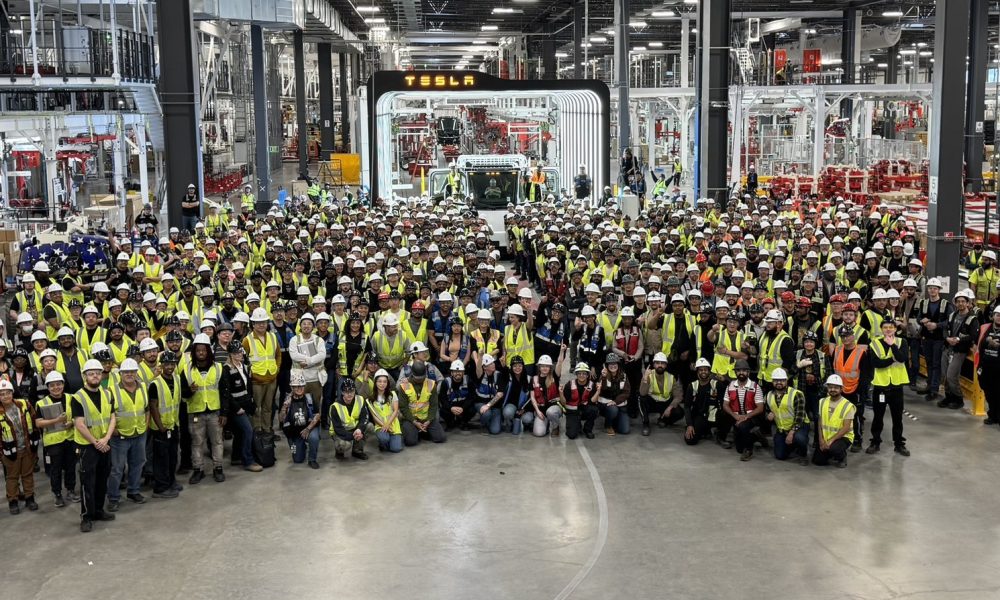
The heart of Tesla’s offensive lies in Nevada. The Tesla Semi is now being built at a dedicated facility in Sparks, Nevada, situated directly adjacent to its Gigafactory Nevada. This is a critical strategic detail. Instead of cannibalizing capacity from its passenger vehicle lines, Tesla has created a purpose-built production hub for its Class 8 truck. This move directly challenges diesel incumbents like Daimler, Volvo, and PACCAR, who have often cited production complexity and volume constraints as barriers to EV adoption. By establishing a separate, high-volume assembly line, Tesla is signaling that it is ready to deliver the Semi at scale, targeting the total cost of ownership (TCO) that fleet managers obsess over.
Undercutting Diesel on Operating Costs and Infrastructure
The latest developments from the Sparks facility reinforce a core tenet of Tesla’s strategy: vertical integration. By producing the Semi next to its battery cell and powertrain operations, Tesla can tightly control costs and supply chain logistics. For fleet operators, this translates into a vehicle with dramatically lower fuel and maintenance expenses compared to a diesel truck. While diesel prices remain volatile and maintenance on a heavy-duty diesel engine is notoriously expensive, the Semi’s electric drivetrain offers predictable, lower costs per mile. Furthermore, Tesla’s investment in its Megacharger network, designed specifically for the Semi, directly addresses the "range anxiety" and charging downtime concerns that have been the diesel industry’s primary defense.
What This Means for Tesla Owners and Investors
For Tesla investors, the ramp-up of Semi production is a powerful diversification signal. It opens a massive new addressable market—the $800 billion global freight industry—beyond passenger cars. This move validates Tesla’s thesis that its battery and powertrain technology are superior across all vehicle classes. For Tesla owners, the success of the Semi has a direct, positive impact. Higher production volumes of the Semi’s 4680 battery cells will drive down costs for all Tesla vehicles through economies of scale. More importantly, a successful electric truck fleet means cleaner air in the supply chain routes that deliver your Tesla parts and service equipment. The message from Sparks is clear: Tesla is not just winning the car race; it is now gunning for the heavyweights of the open road, and diesel rivals are officially on notice.