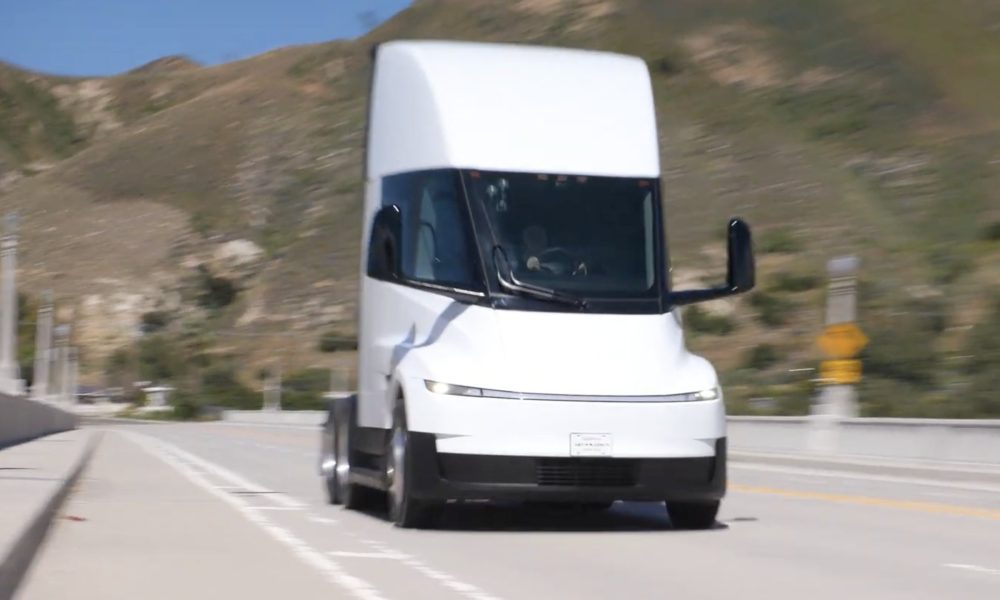
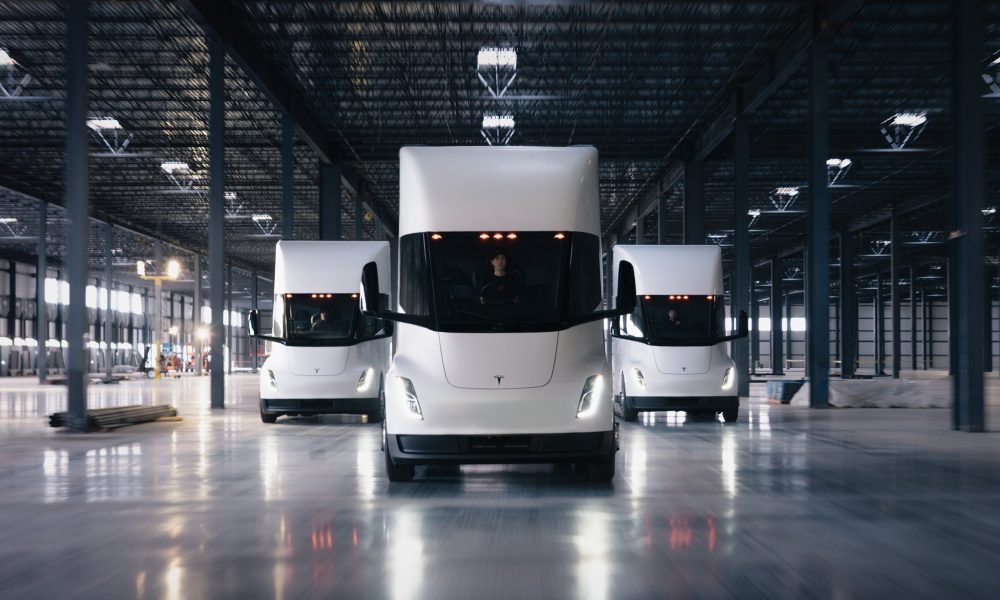
Tesla has officially crossed the Rubicon for its commercial trucking ambitions. The company confirmed that the first Tesla Semi has rolled off the new, dedicated high-volume production line at Gigafactory Nevada. This achievement, shared via the official Tesla Semi account on X, signals a critical transition from pilot builds and limited deliveries to scalable manufacturing for the long-delayed electric truck program.
A Decade in the Making: From Prototype to Production Line
The journey to this moment has been fraught with delays. Originally unveiled in 2017, the Semi faced repeated production pushbacks as Tesla prioritized the Model 3, Model Y, and the ramp of Gigafactory Berlin and Texas. The key to unlocking volume was the construction of a dedicated 1.7-million-square-foot facility at Gigafactory Nevada. This factory is now live and producing trucks, a stark departure from the low-volume "pilot" line that had previously built a handful of units for early customers like PepsiCo. The new line is engineered for throughput, not just proof of concept.
Why This Milestone Matters for Tesla and the EV Industry
Launching a Class 8 electric semi-truck at scale is a fundamentally different challenge than producing a passenger car. The Semi requires massive battery packs—estimated at over 900 kWh—which places enormous strain on both cell supply and manufacturing precision. By successfully starting high-volume production, Tesla validates its 4680 battery cell strategy and its ability to manufacture vehicles that are ten times larger than a standard EV. This is not merely a new vehicle trim; it is a proof-point that electric trucking can be industrialized. For the broader industry, it puts pressure on legacy OEMs who have struggled to move beyond pilot fleets.
What This Means for Tesla Owners and Investors
For investors, this milestone removes a major overhang of "execution risk" from the stock narrative. The Semi program, once dismissed as vaporware, is now a genuine revenue generator with a massive total addressable market in logistics and freight. For Tesla owners, the ripple effects are tangible. Scaling Semi production will drive further cost reductions in battery technology and manufacturing efficiency, which historically trickle down to the Model S, 3, X, and Y. Additionally, a successful Semi fleet means more Megapack and charging infrastructure deployments, strengthening the entire Tesla ecosystem. The truck may be built for fleet operators, but its success will help fund the next generation of Tesla passenger vehicles.