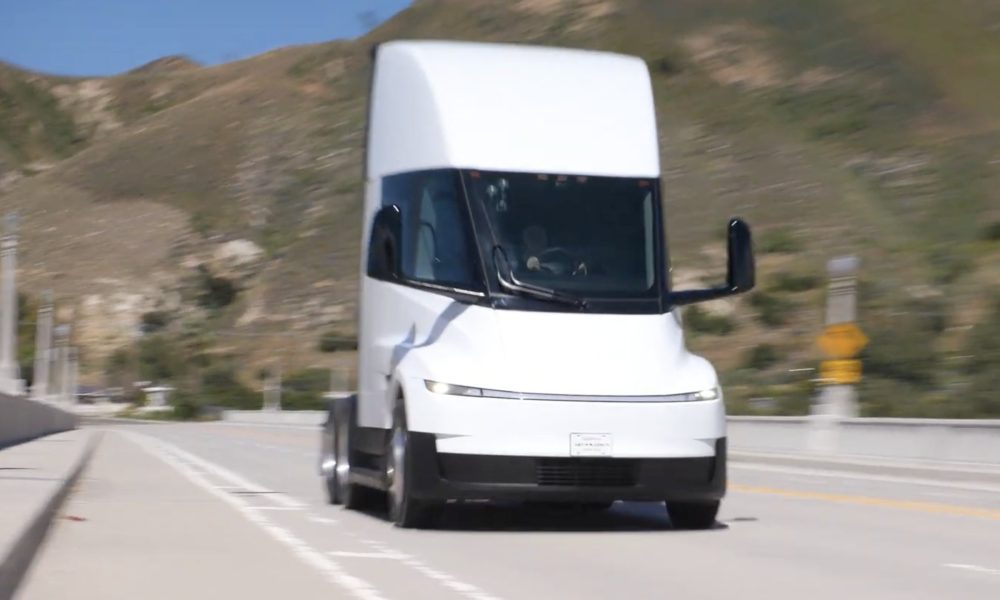
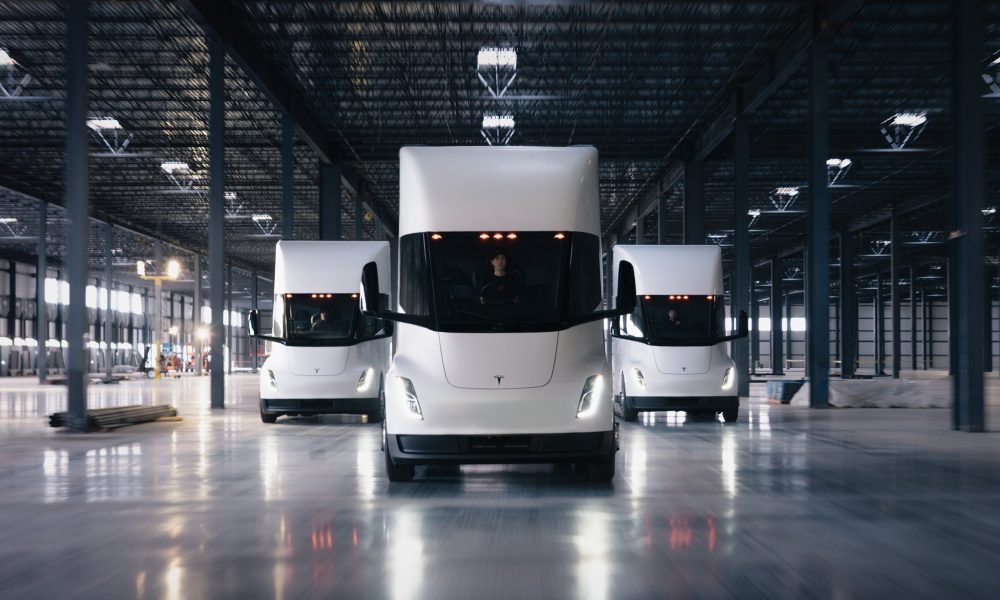
The Tesla Semi has officially entered the gritty, high-stakes world of port drayage, with Southern California operator MDB Transportation launching a three-week pilot that puts the electric Class 8 truck to work hauling containers on active freight lanes. This deployment, based out of Compton, marks the second port trucking company to adopt the Semi, signaling a tangible shift from hype to real-world logistics. As the EV giant pushes into the hardest segment of trucking—short-haul, stop-and-go, and heavy-lift port operations—MDB’s trial will provide critical data on whether the Semi can survive the brutal demands of America’s busiest port complex.
Testing the Tesla Semi in the Urban Freight Crucible
MDB Transportation is running the Tesla Semi through a gauntlet of Los Angeles and Long Beach port routes, tracking three key metrics: energy efficiency, cycle time, and driver experience. These ports represent one of the most challenging urban freight environments in the country, where trucks idle for hours, navigate congested terminals, and haul loads exceeding 80,000 pounds. Unlike long-haul highway routes, drayage demands frequent stops and rapid acceleration—a punishing test for any electric powertrain. Early reports suggest the Semi’s tri-motor setup and regenerative braking system could offer significant advantages, converting stop-and-go traffic into energy recovery rather than wasted heat.
What This Means for Tesla’s Commercial Trucking Ambitions
This pilot follows a similar effort by PepsiCo, which deployed the Semi for regional distribution, but MDB’s focus on port drayage is a distinctly different use case. Drayage operators have been slow to adopt EVs due to range anxiety and charging infrastructure gaps, yet the California Air Resources Board (CARB) mandates a shift to zero-emission trucks by 2035. If the Tesla Semi proves reliable in this environment, it could unlock a massive market: the San Pedro Bay ports alone handle over 17 million container units annually, requiring thousands of trucks daily. MDB’s three-week data will be a litmus test for whether Tesla can deliver on its promise of 500 miles of range under real-world port conditions.
Implications for Tesla Owners and Investors
For Tesla investors, this pilot is a critical milestone in diversifying revenue beyond passenger EVs. The Class 8 truck market represents a $30 billion annual opportunity in the U.S. alone, and success in drayage could accelerate fleet adoption. For current Tesla owners, the Semi’s performance at the ports indirectly validates the company’s battery technology under extreme loads—a positive signal for future vehicle durability. However, the pilot also highlights a persistent challenge: charging infrastructure at port terminals remains sparse. If MDB’s trial reveals efficiency gains and driver satisfaction, it could pressure logistics companies to invest in Megacharger networks, benefiting the entire Tesla ecosystem. Watch for MDB’s final report in three weeks—it may determine whether the Semi becomes a port workhorse or a niche experiment.