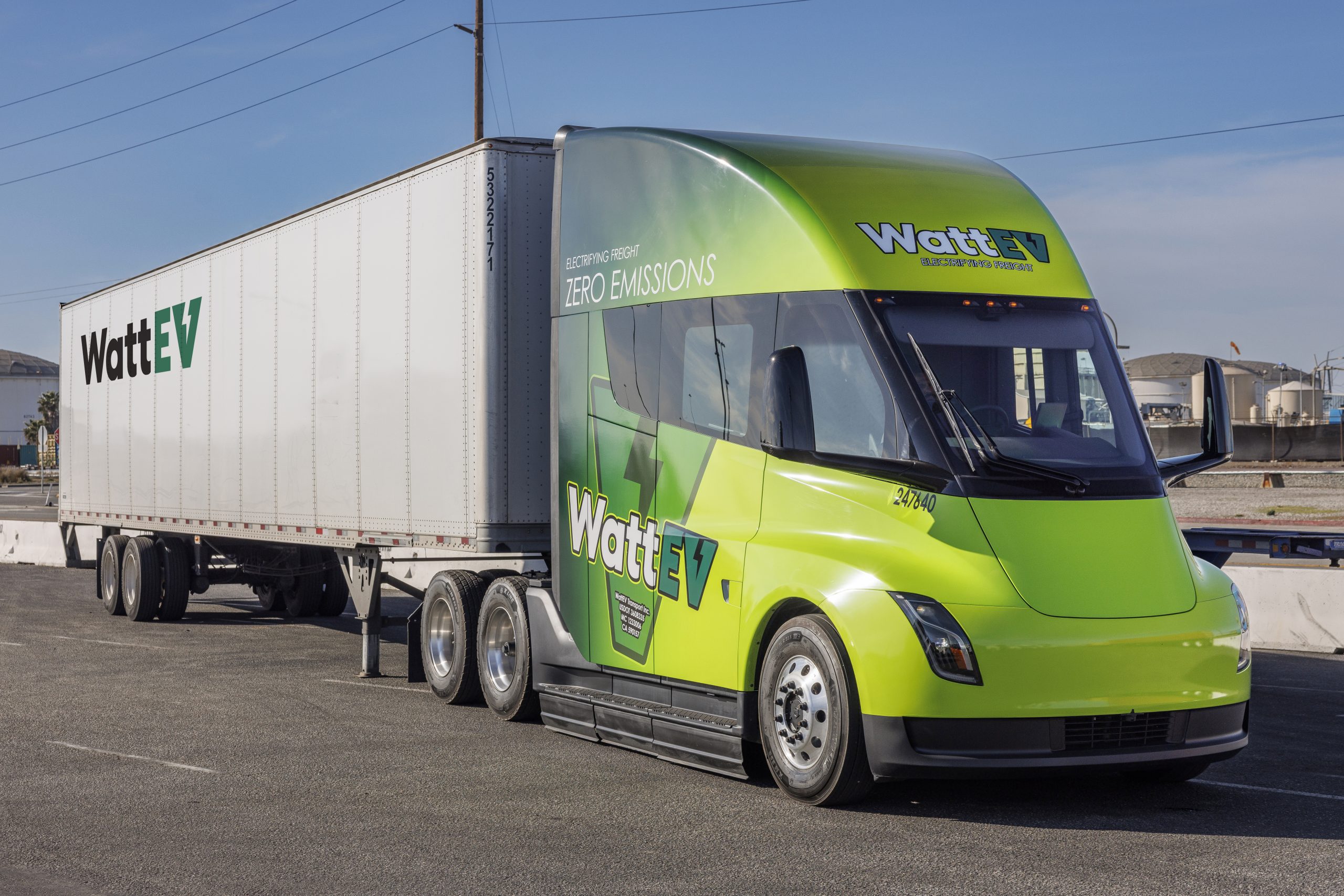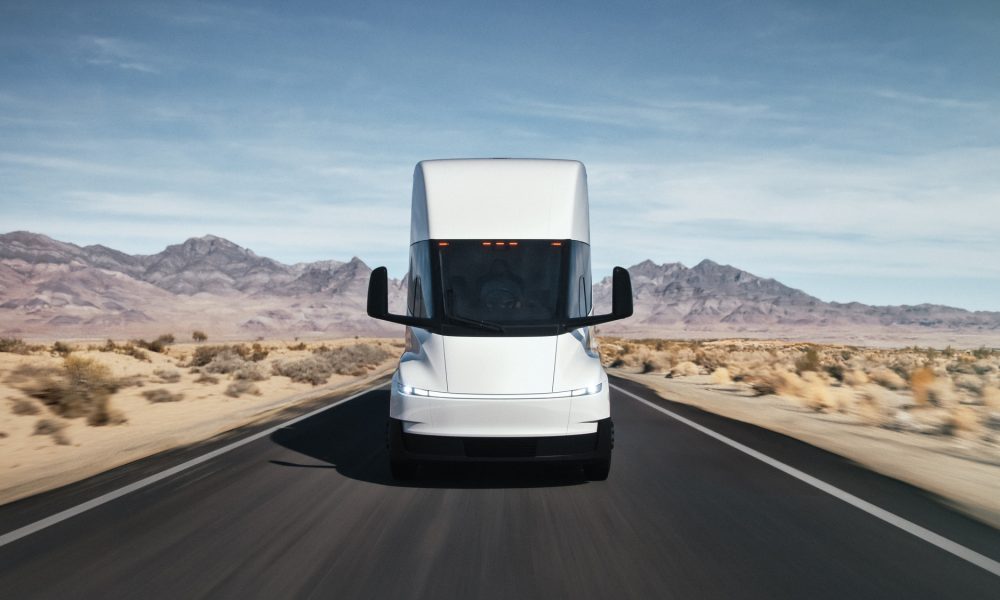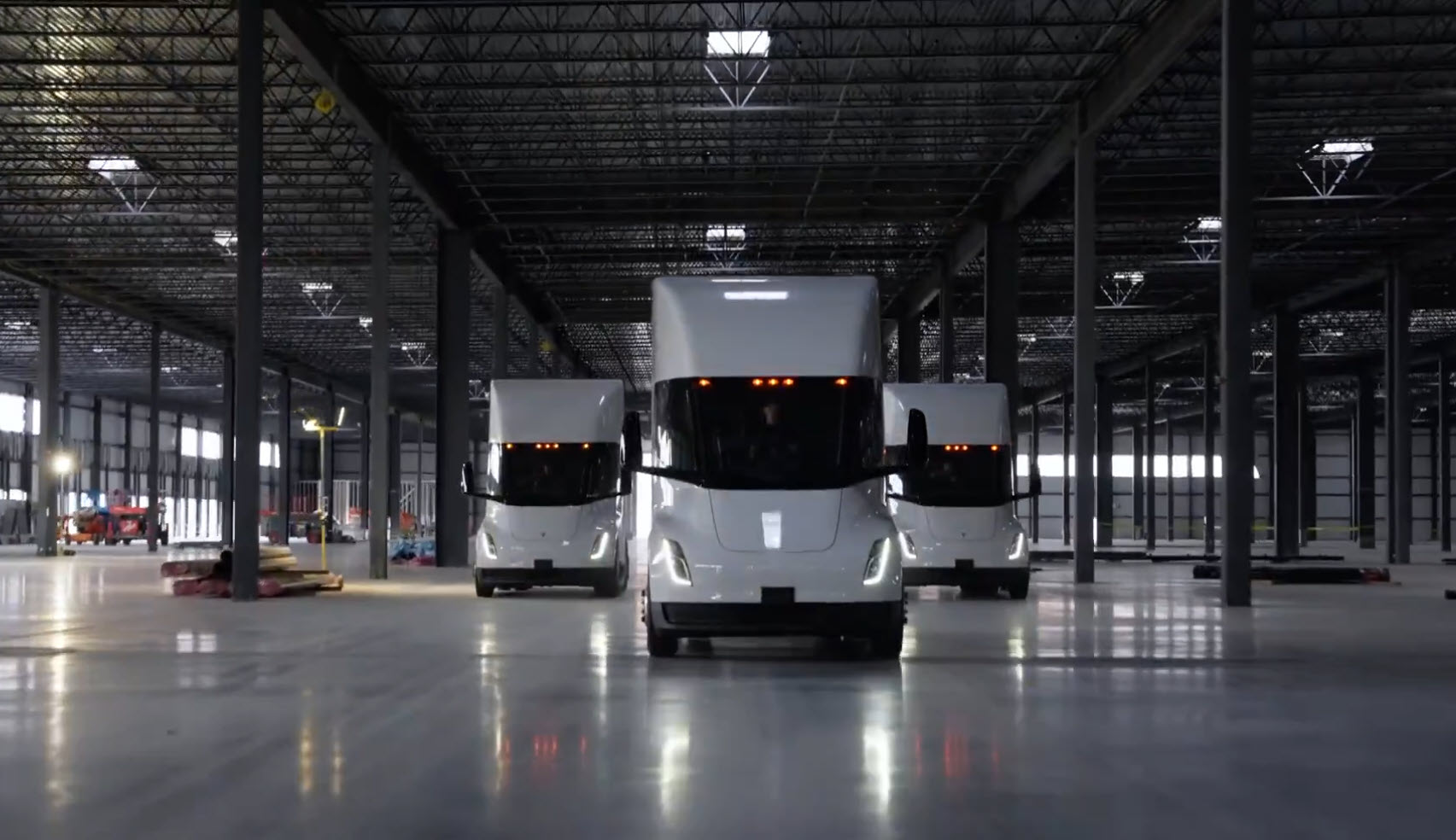
After years of anticipation and a meticulously managed pilot program with major corporations, the Tesla Semi is shifting from a revolutionary prototype to a commercial reality. Newly surfaced details reveal not just the truck's long-awaited pricing structure but, crucially, the extensive energy and service infrastructure required to support it. This dual revelation signals that Tesla is entering the final stages of its ramp-up, moving beyond proof-of-concept to directly challenge the diesel-dominated Class 8 trucking sector.
The Price of Disruption: Tesla Semi's Cost Structure Emerges
While Tesla has not issued an official press release, consistent reports from reservation holders and industry channels indicate a two-tier pricing model. The 300-mile range variant is reportedly priced starting at approximately $180,000, while the long-haul 500-mile version starts around $250,000. These figures position the Semi as a premium offering, yet one that promises a significantly lower total cost of ownership. The core economic argument hinges on drastically reduced energy and maintenance expenses compared to diesel trucks. Tesla's own claims suggest operators could save up to $200,000 in fuel costs alone over the first three years of ownership, a figure that makes the upfront investment compelling for fleet managers focused on long-term economics.
Building the Backbone: The Megacharger and Service Network
The viability of an electric semi-truck is inseparable from its charging infrastructure. Tesla has now publicly mapped out dozens of planned Megacharger stations across North America, strategically located along major freight corridors. These are not simply scaled-up Superchargers; they are designed to deliver enough energy to replenish hundreds of miles of range in under 30 minutes, aligning with mandatory driver rest breaks. Furthermore, Tesla is establishing a dedicated Semi service network, with initial centers confirmed near key manufacturing and logistics hubs. This separate network acknowledges the unique service requirements and operational scale of commercial fleets, ensuring uptime remains a top priority.
The simultaneous rollout of vehicle pricing and infrastructure details is a classic Tesla strategy, demonstrating a holistic approach to market transformation. It reassures potential buyers that the product will not be stranded without support. The planned Megacharger locations also provide the first clear blueprint of Tesla's initial target routes, focusing on high-volume, predictable lanes where the Semi's range and rapid charging can be maximized. This phased, corridor-focused buildout is a pragmatic move, ensuring capital is deployed where it will have the greatest immediate impact.
For Tesla owners and investors, these developments underscore the company's expansion beyond the passenger vehicle market into a high-revenue, high-impact commercial segment. The Semi's success could unlock a massive new revenue stream and further solidify Tesla's brand as a leader in electrification. However, the capital intensity of building two parallel new networks—for energy and service—will be closely watched. The speed and efficiency of this infrastructure deployment will be just as critical to the Semi's financial success as the truck's own performance. For the broader EV ecosystem, the Semi's Megacharger network may eventually serve as a template for heavy-duty electrification, setting new standards for power delivery and logistics.