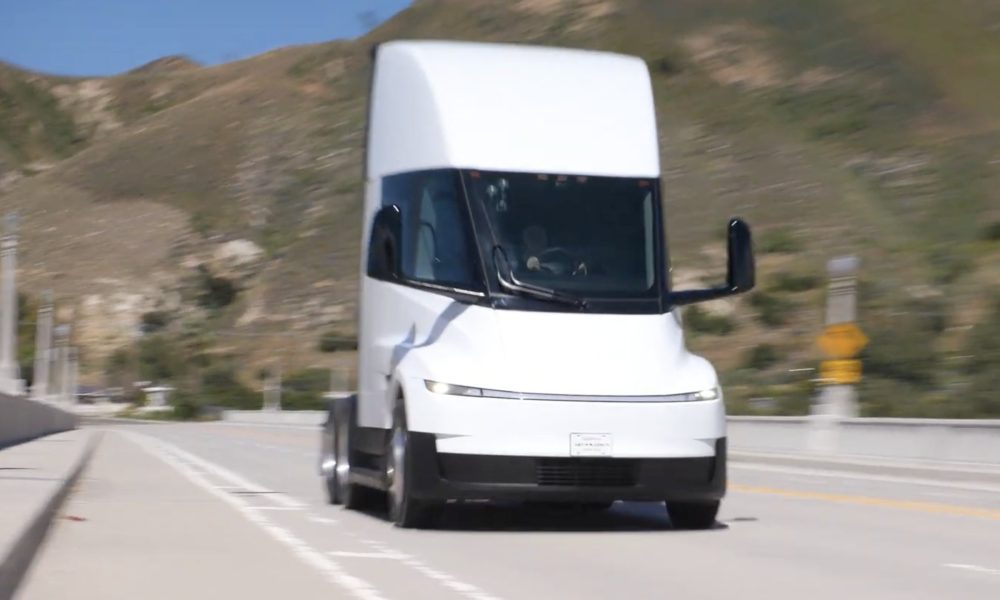
The high cost of fleet electrification has long been the biggest roadblock to widespread adoption of heavy-duty electric trucks, but a new player is rethinking the business model from the ground up. At ACT Expo 2026, infrastructure specialist Alyath unveiled a groundbreaking subscription service for the Tesla Semi, designed to eliminate the massive upfront capital expenditure that has kept many logistics companies on the sidelines. This move could fundamentally reshape how fleets approach zero-emission运输, turning a multi-hundred-thousand-dollar purchase into a predictable monthly operating expense.
Alyath’s Subscription Model: How It Works
Under the new program, Alyath will own the Tesla Semi and its associated charging infrastructure, effectively becoming a one-stop fleet-as-a-service provider. Instead of buying trucks outright for $150,000 to $180,000 or more, fleets pay a flat monthly fee that covers the vehicle, maintenance, and access to Alyath’s dedicated charging network. This model directly addresses two of the most persistent complaints from fleet operators: the prohibitive sticker price of electric trucks and the anxiety over charging reliability. By bundling the hardware with the energy solution, Alyath removes the risk of stranded assets and unpredictable downtime, making the electric vehicle (EV) transition financially viable for small and mid-sized carriers that lack the capital for large-scale electrification.
Why This Matters for the Tesla Semi Ecosystem
The subscription approach arrives at a critical inflection point for Tesla’s Class 8 truck. While companies like PepsiCo and Frito-Lay have already deployed Semis, widespread adoption has lagged due to infrastructure bottlenecks and the sheer cost of replacing entire diesel fleets. Alyath’s model effectively acts as a catalyst, converting the Tesla Semi from a capital-intensive asset into an operational expense. This is particularly compelling for logistics firms that operate on thin margins and cannot afford to tie up millions of dollars in trucks and charging depots. The program also creates a powerful incentive for Alyath to maximize truck uptime and charging efficiency, as their revenue depends on keeping the fleet moving.
Implications for Tesla Owners and Investors
For current Tesla investors, this development signals a maturing ecosystem around the Semi. A dedicated third-party subscription service validates the vehicle’s long-term viability and could accelerate production demand beyond Tesla’s own initial customer base. It also reduces the pressure on Tesla to solve every infrastructure problem itself, allowing the company to focus on manufacturing scale. For fleet operators, the message is clear: the era of waiting for perfect conditions is over. Alyath’s model offers a pragmatic, low-risk entry point into electrification, potentially forcing traditional truck OEMs and leasing companies to respond with similar offerings. The immediate takeaway is that fleet electrification is no longer just a technology challenge—it is increasingly a financial engineering one, and Alyath just wrote the first major playbook for the Tesla Semi.