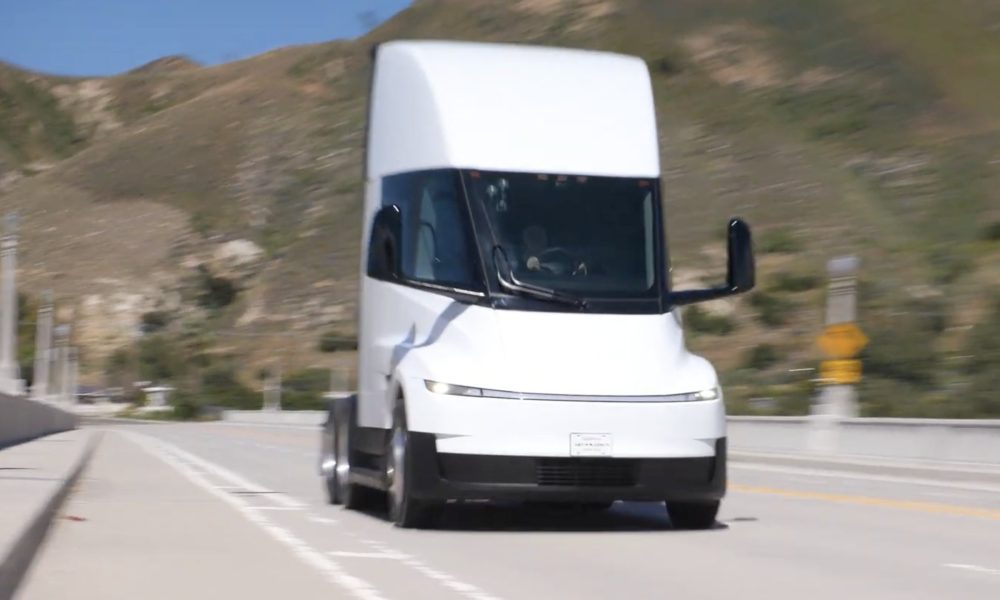
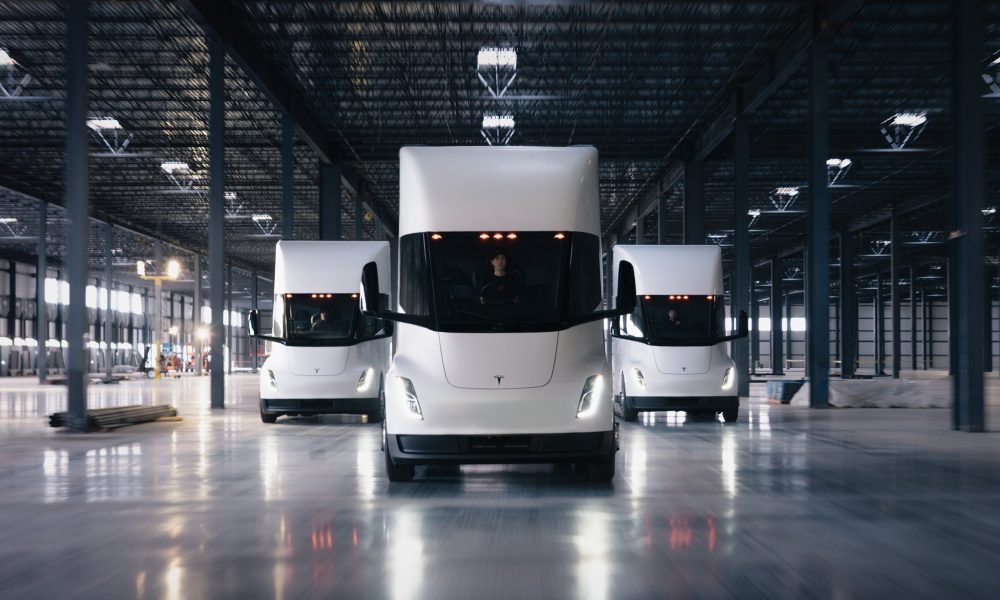
Tesla Semi is entering one of the most grueling proving grounds in the trucking industry. A new pilot program in Southern California will push the all-electric Class 8 truck to its limits in the high-stakes world of port drayage. This isn't just another test; it’s a targeted assault on a segment notorious for short, repetitive hauls, heavy loads, and relentless stop-and-go traffic. The partner for this demanding trial is MDB Transportation, a logistics firm that now becomes the latest company to put Tesla’s battery-electric big rig through its paces in real-world conditions.
Testing the Tesla Semi in the Port of Los Angeles
The pilot focuses on the Port of Los Angeles and Long Beach complex—the busiest container port in the Western Hemisphere. Drayage trucks here face brutal duty cycles: heavy congestion, frequent idling, and the constant lifting and dropping of fully-loaded containers. MDB Transportation will operate the Tesla Semi on routes that typically define this sector, moving freight from the docks to nearby rail yards and warehouses. This is a significant step, as port drayage has long been considered a “hard-to-abate” sector for electrification due to range anxiety and charging infrastructure demands. By deploying the Semi here, Tesla is directly challenging the perception that battery-electric trucks can’t handle the most punishing short-haul work.
High-Volume Production Meets Targeted Validation
While Tesla has officially begun high-volume production of the Semi at its Gigafactory in Nevada, this pilot signals something deeper. It shows that the company is still actively validating the platform across specific, demanding niches. MDB’s fleet will provide critical data on battery degradation under extreme load, regenerative braking efficiency in dense traffic, and real-world energy consumption per mile. For Tesla, this is about proving that the Semi can deliver lower total cost of ownership (TCO) than a diesel truck, even in the most challenging environments. The pilot also tests the viability of charging at depot-level, a key variable for any fleet considering a switch to electric.
Implications for Tesla Owners and Investors
For Tesla investors, this pilot is a bellwether for commercial adoption. Success in port drayage could unlock a massive addressable market, as roughly 15 million containers move through the San Pedro Bay ports annually. A positive outcome would validate Tesla’s ability to capture market share from legacy OEMs in a segment where reliability is paramount. For Tesla owners and the broader EV community, this is a proof-of-concept that electrification can conquer the toughest industrial jobs. If the Semi can thrive in the chaos of a major port, it removes a key argument against the feasibility of electric trucks. The bottom line is clear: Tesla is no longer just building Semis; it is systematically proving they can replace diesel in every corner of the logistics chain.