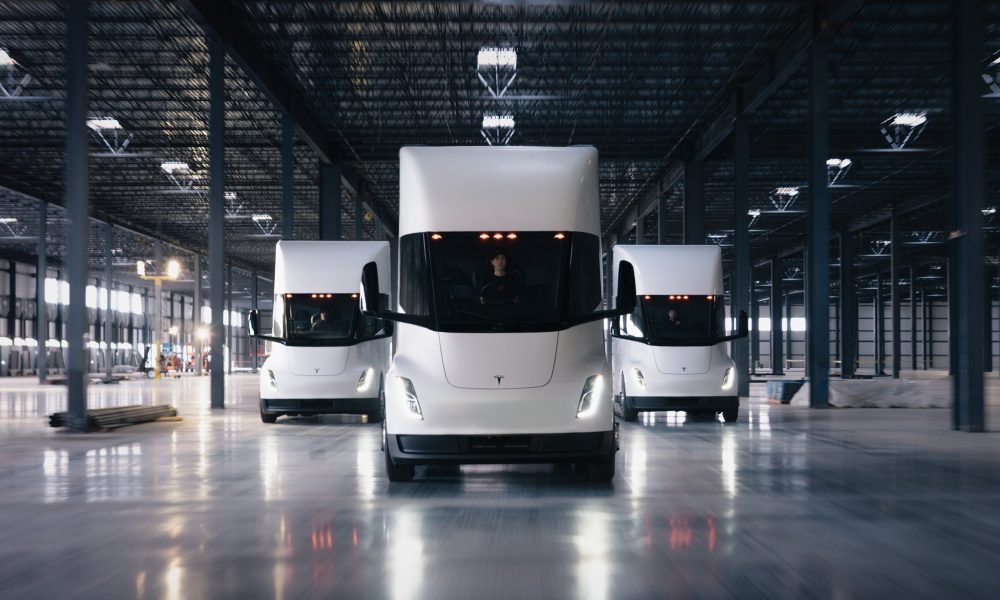
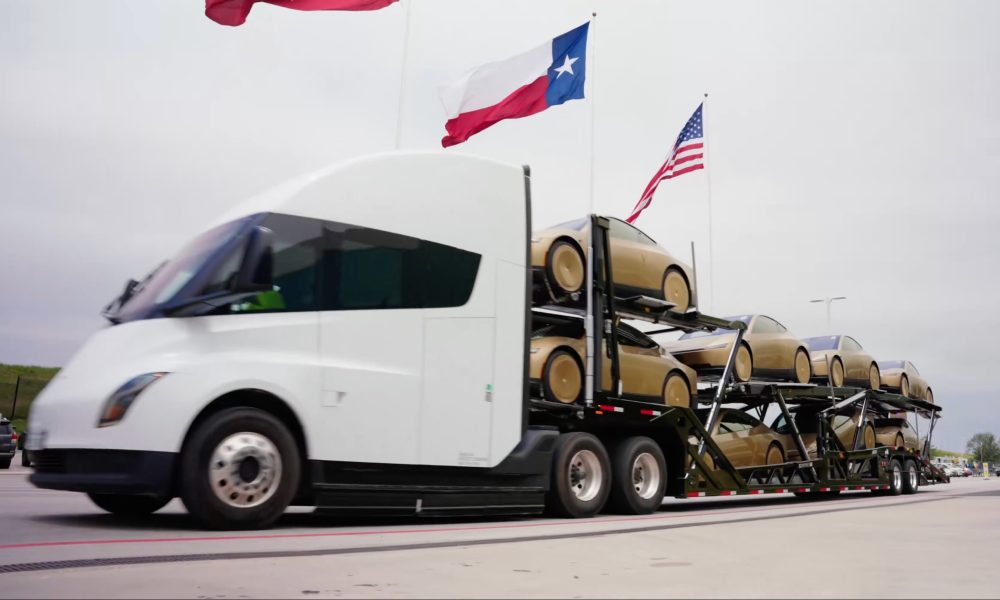
In a revelation that recalibrates expectations for the electric trucking industry, California’s Air Resources Board (CARB) has officially lifted the veil on the Tesla Semi’s battery specifications. The regulatory filing, detailed in Executive Order A-374-0095 signed on April 15, confirms that the Long Range variant of the electric semi-truck carries a usable battery capacity of 822 kWh, while the Standard Range version is equipped with a 548 kWh pack. These figures are notably more conservative than the 500-mile range promise CEO Elon Musk made in 2022, where he suggested a larger energy buffer might be necessary, sparking intense debate among logistics analysts and EV enthusiasts alike.
Smaller Packs, Higher Efficiency Than Expected
The official CARB data reveals that both battery packs utilize NCMA (Nickel-Cobalt-Manganese-Aluminum) lithium-ion chemistry, leveraging Tesla’s proprietary 4680 cells. The 822 kWh Long Range pack is designed to deliver the advertised 500-mile range under load, while the 548 kWh Standard Range unit targets regional hauling routes. This represents a significant departure from earlier speculation that the Semi might require a 1,000 kWh pack to achieve its range goals. Instead, Tesla appears to have achieved remarkable efficiency gains through advanced thermal management and a carbon-fiber-wrapped motor rotor design, proving that the Semi can move massive payloads with less stored energy than industry incumbents like the Nikola Tre or the Freightliner eCascadia.
What This Means for the Tesla Ecosystem
The confirmation of these specific capacities has immediate implications for Tesla’s energy and charging infrastructure. The 822 kWh pack is roughly 8 times the size of a Model S Plaid battery, meaning a single Semi charge will consume as much energy as an entire suburban neighborhood in a day. This underscores the necessity of Tesla’s Megacharger network, which is designed to deliver up to 1 MW of power. For fleet operators, the 548 kWh Standard Range option becomes a compelling entry point, offering a lower total cost of ownership for last-mile delivery and drayage operations, while the Long Range version targets cross-country trucking routes currently dominated by diesel.
Interestingly, the CARB filing also reveals that Tesla is using a 2-speed transmission in the Semi, a departure from the single-speed gearboxes found in its passenger cars. This mechanical choice, combined with the NCMA chemistry, allows the Semi to maintain high torque at low speeds while achieving highway cruising efficiency. The 4680 cell architecture also enables a structural battery pack, which reduces overall vehicle weight and increases cargo capacity—a critical factor for commercial viability.
Implications for Tesla Owners and Investors
For current Tesla owners, the Semi’s confirmed battery sizes signal a maturation of the company’s battery technology. The use of NCMA chemistry in a commercial vehicle suggests that Tesla is diversifying its cell supply chain away from the LFP (Lithium Iron Phosphate) packs used in standard-range Model 3 and Model Y vehicles. This could lead to better economies of scale for the 4680 production lines in Texas and Berlin, potentially lowering costs for future Cybertruck and Roadster batteries. For investors, the smaller-than-expected pack sizes are a double-edged sword: they demonstrate superior engineering efficiency, which could widen profit margins on Semi sales, but they also mean that Tesla’s energy storage division (Megapack) will face less competition for raw materials from the trucking division. The 548 kWh Standard Range Semi, in particular, positions Tesla to compete directly with regional diesel fleets, where the total cost of ownership can break even within 2-3 years depending on electricity prices and mileage. As Tesla begins volume production at the Nevada Gigafactory, the confirmed specs will be the key metrics that logistics CFOs use to justify their electrification investments.