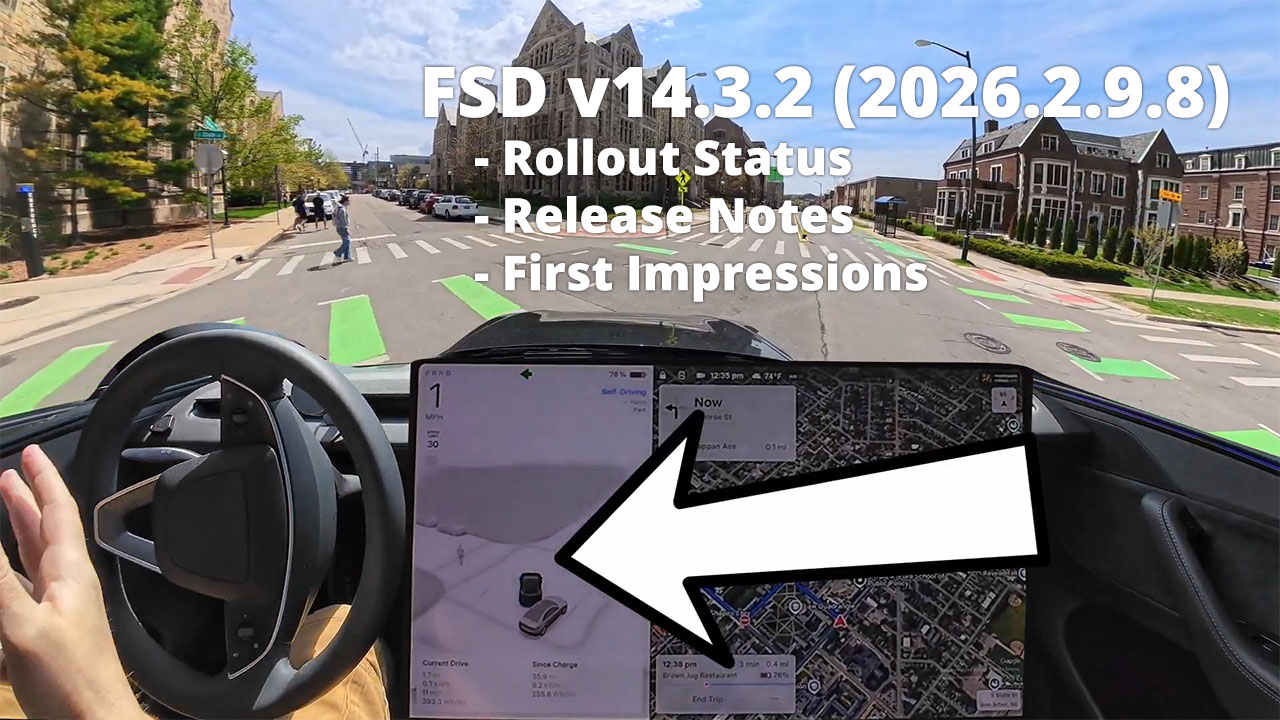
Tesla has once again demonstrated its relentless pace of innovation, pushing a new update to its Full Self-Driving suite just weeks after the last major release. The latest iteration, FSD v14.3.2 (firmware 2026.2.9.8), is now rolling out to the early access fleet, and the initial wave of first impressions from drivers is already flooding social media. This rapid cadence of updates signals that Tesla’s AI team is aggressively refining the neural network, aiming to close the gap on complex edge cases before a wider, supervised release.
What’s New in the Release Notes?
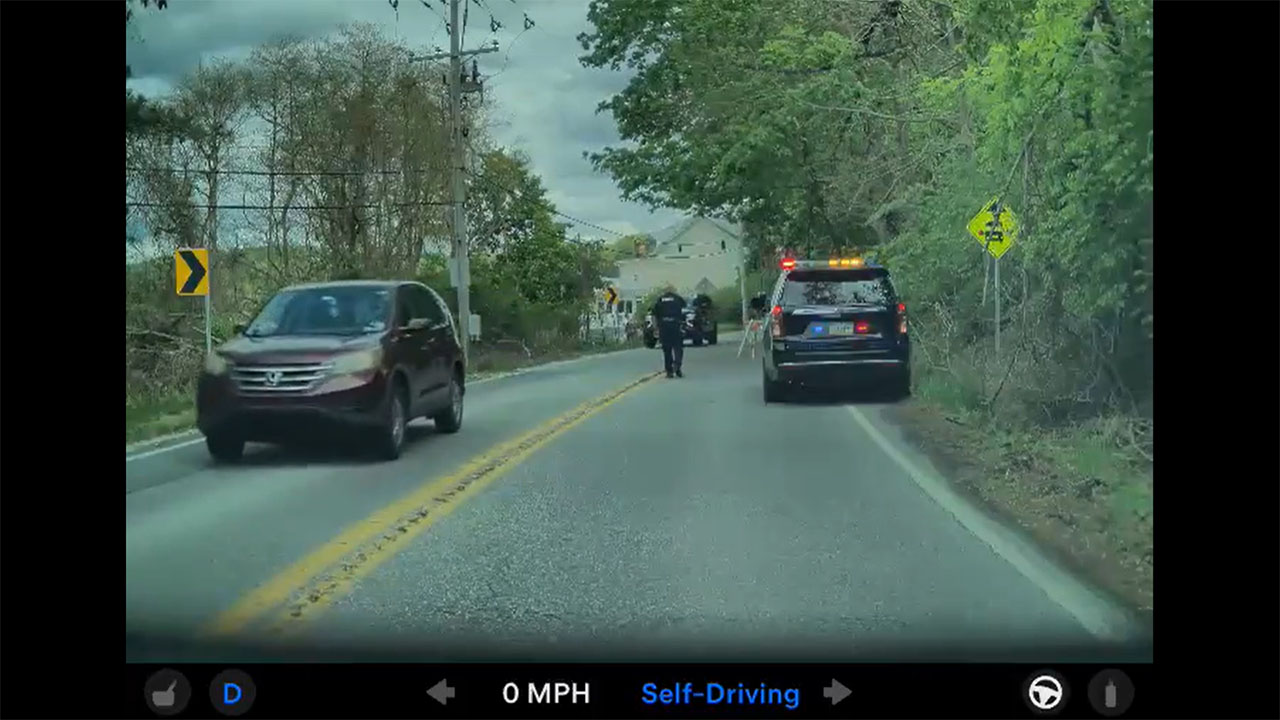
The official release notes for FSD v14.3.2 are characteristically sparse, but the changes are meaningful. Tesla has focused on improved lane selection in complex intersections and a refined speed profile for unprotected turns. Early testers report that the car now exhibits a more natural hesitation when yielding, rather than the abrupt stops that plagued earlier versions. Additionally, the update includes a fix for a specific phantom braking scenario triggered by overhanging tree branches. While not a headline-grabbing overhaul, this version is a critical stability patch, smoothing out the rough edges introduced in v14.3.0. The 2026.2.9.8 build also integrates a minor update to the Occupant Safety system, optimizing seatbelt pre-tensioner response times based on predicted collision data from the FSD computer.
First Impressions from the Fleet
Within hours of the rollout, videos from YouTubers and forum users began surfacing, showcasing the update’s behavior. The consensus is that v14.3.2 feels more confident in suburban environments. One tester noted that the car navigated a notoriously difficult five-way intersection in Los Angeles without a single intervention, a feat that required two manual takeovers in the previous build. However, the update is not perfect. Several drivers reported that the system still struggles with sun glare during low-angle sun hours, occasionally misinterpreting shadows as road obstacles. The rollout status is currently limited to employees and a small number of non-employee testers with high Safety Scores, but Tesla is expected to expand the push to more vehicles within the next 48 hours if no critical regressions are identified.
This quick turnaround—from v14.3.0 to v14.3.2 in under two weeks—highlights Tesla’s shift toward a more agile, software-centric development cycle. Unlike traditional automakers that issue quarterly updates, Tesla is treating its fleet as a real-time data collection network. Every intervention or disengagement is fed back into the training model, allowing the company to patch specific failure modes rapidly. For context, the jump from v14.2 to v14.3 was a major architectural change; these point releases are about polishing that foundation.
Implications for Tesla Owners and Investors
For current Tesla owners who have purchased or subscribed to FSD, this update reinforces the value of staying on the bleeding edge. While v14.3.2 may not suddenly enable robotaxi capabilities, it incrementally reduces the frequency of disengagements, making supervised FSD a more practical tool for daily commutes. Owners should expect the download notification to appear in their app within the next week. For investors, the speed of this iteration is a bullish signal. It demonstrates that Tesla’s DOJO training supercomputer and its fleet data flywheel are working in concert. Each point release narrows the gap to a truly unsupervised system, which is the key catalyst for unlocking the $10 trillion mobility-as-a-service market that CEO Elon Musk has long predicted. The market should watch the disengagement rate data from this build closely; a sharp decline would be a strong leading indicator that FSD v14.x is approaching the inflection point for regulatory approval.