Tesla’s Robotaxi network has taken a significant step toward mass adoption, but not in the way most analysts predicted. The expansion does not involve new cities, updated regulatory approvals, or a flashy vehicle reveal. Instead, it centers on a long-awaited shift in consumer access. After months of operating under a restricted user base, Tesla has quietly opened the service to a broader audience, fulfilling a promise that has been simmering since the concept was first unveiled. This is not about hardware—it is about scale through inclusion.
From Controlled Testing to Open Access
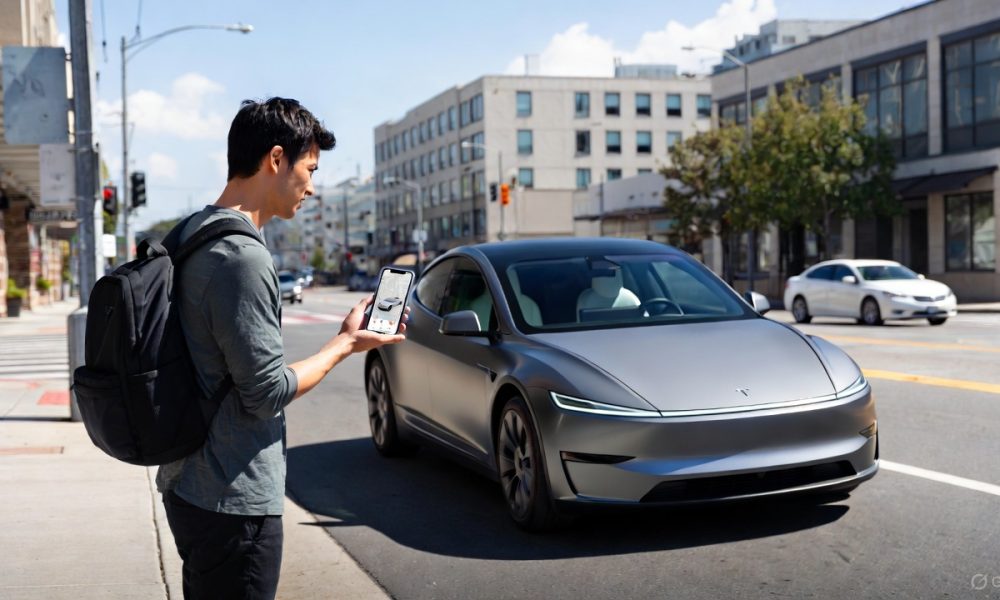
Previously, Tesla’s Robotaxi service was available only to a select group of early adopters and employees in specific regions. This limited rollout allowed the company to gather critical data and refine its Full Self-Driving (FSD) software. However, the lack of general availability left many owners feeling locked out of the future they had invested in. Now, Tesla has expanded eligibility to a much wider pool of vehicle owners, enabling them to list their cars for autonomous ride-hailing. The move signals that the company believes its technology has matured enough to handle the unpredictability of a diverse user base, from driving habits to passenger destinations.
Implications for the Tesla Ecosystem
This expansion directly impacts the company’s revenue model. By increasing the number of available Robotaxis, Tesla can generate more trips per day without adding a single new vehicle to its fleet. For owners, it transforms the car from a depreciating asset into a potential income stream. The timing is strategic, coming as Tesla faces pressure to justify its high valuation amid slowing EV sales growth. Analysts note that even a modest uptick in Robotaxi utilization could add billions to Tesla’s top line, especially if the service expands into high-density urban corridors where demand for cheap, autonomous rides is highest.
For current Tesla owners, the change is a double-edged sword. Those who purchased their vehicles with the promise of FSD capability now have a clearer path to monetization. However, the broader rollout also means more competition among owners for ride-hailing fares. Tesla has not disclosed the revenue split, but early reports suggest the company takes a 25-30% commission, similar to Uber’s model. This creates a marketplace dynamic where vehicle quality, cleanliness, and location will determine earnings. Investors should watch for user adoption rates over the next quarter, as they will be the first real test of whether Robotaxi can become a mass-market service rather than a niche experiment.
What This Means for Tesla Owners and Investors
For owners, the immediate benefit is the ability to offset ownership costs in a way that was previously unavailable. For investors, the expansion represents a shift from a hardware-centric business to a software-and-services model. If Tesla can successfully scale Robotaxi without compromising safety or user experience, it could unlock recurring revenue streams that reduce dependence on vehicle sales margins. The key metric to watch is not just trip volume, but customer satisfaction scores and incident rates. A smooth rollout will validate Tesla’s long-term strategy; any hiccups could invite regulatory scrutiny that stalls further expansion. Either way, the door is now open wider than ever, and the industry is watching.