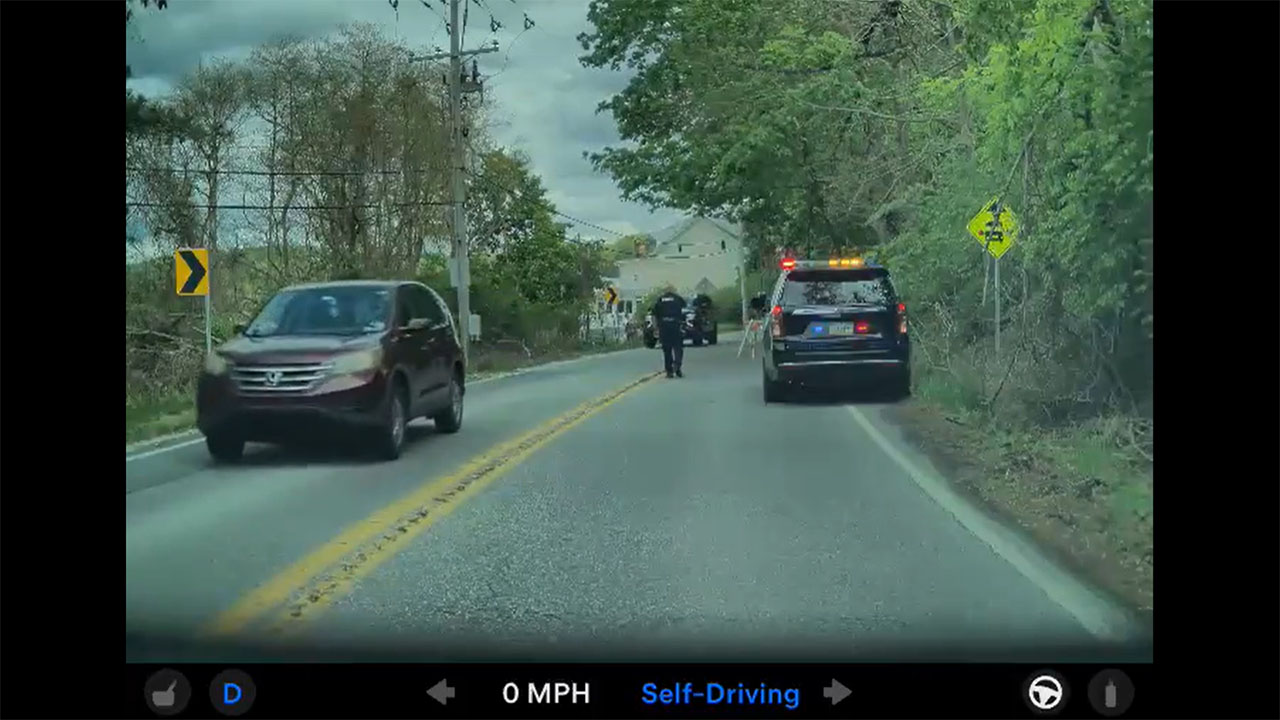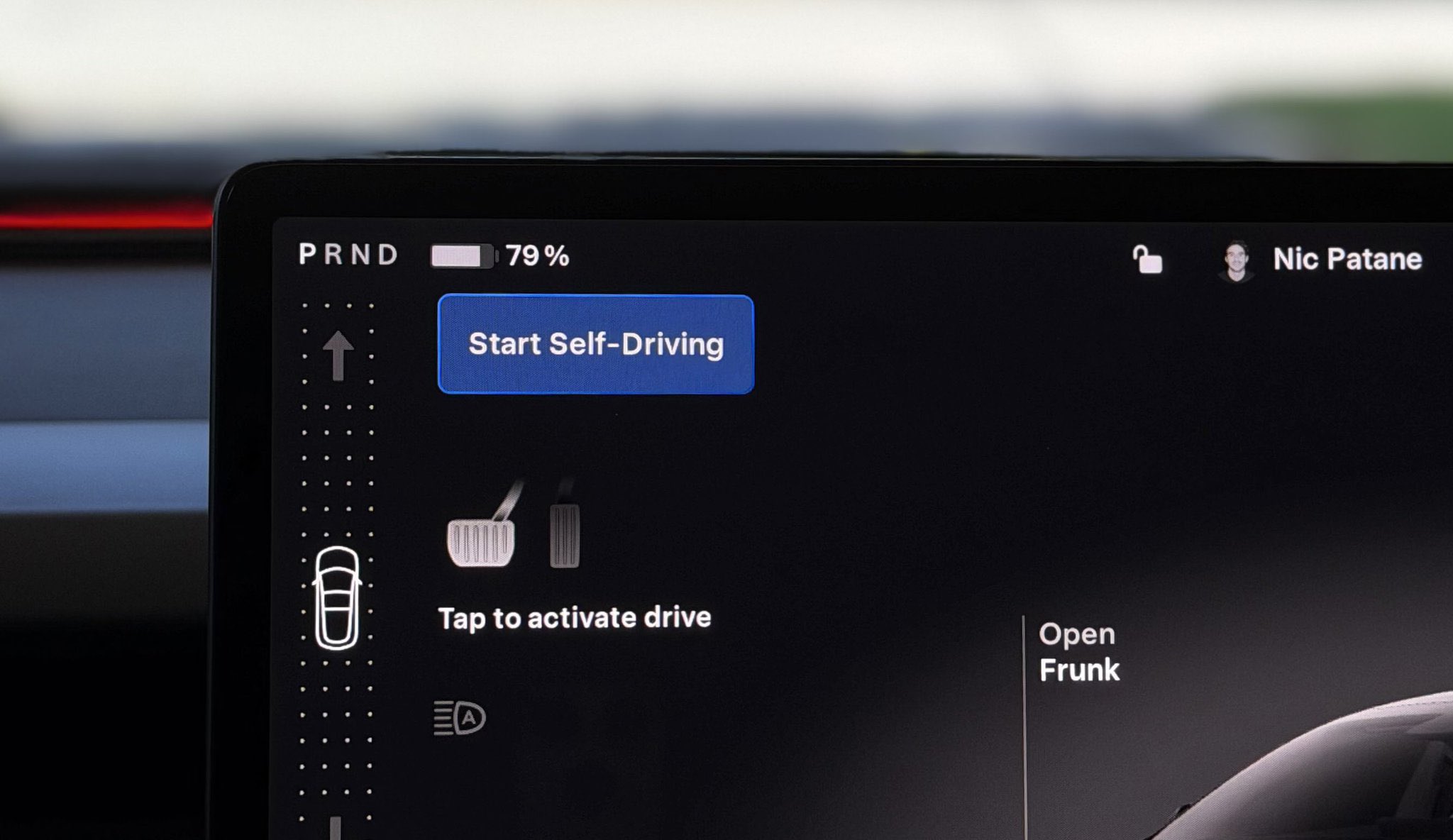
After months of anxiety and speculation within the Tesla community, a beacon of hope has finally emerged for owners of the aging Hardware 3 (HW3) platform. While the industry’s attention has been fixated on the raw power of the new Hardware 4 (AI4), a significant leak suggests that Tesla is preparing a specialized version of its Full Self-Driving (FSD) software—dubbed FSD V14 Lite—which could begin rolling out to legacy vehicles as early as late June 2026. This "miracle" update promises to bridge the widening performance gap between HW3 and HW4, ensuring that millions of existing Tesla owners are not left behind in the electric vehicle (EV) arms race.
The 'Lite' Strategy: A Necessary Compromise for Legacy Hardware
The core challenge for Tesla’s engineering team has been the stark disparity in computational capacity. HW3, while revolutionary at its launch, lacks the neural network accelerators and memory bandwidth of the newer AI4 computer. Sources indicate that FSD V14 Lite is not a stripped-down version of the full V14, but rather a highly optimized neural network specifically quantized to run efficiently on the older chipset. This means Tesla has likely pruned less critical model weights and streamlined sensor fusion algorithms to maintain safety and core functionality. The "Lite" moniker, therefore, refers to the computational footprint, not necessarily a reduction in driving capability, though early testers report a slight decrease in the smoothness of complex unprotected turns compared to the AI4 version.
Breaking the AI4 Monopoly: What This Means for the Fleet
The arrival of FSD V14 Lite directly refutes the growing narrative that HW3 vehicles had reached their "end of the road." For months, Tesla investors and owners feared a forced upgrade cycle, where only new vehicles with AI4 would receive meaningful software advancements. This update changes that calculus entirely. By dedicating engineering resources to a retrofitted version of FSD, Tesla is signaling a commitment to its massive installed base. The update is expected to bring key features such as end-to-end highway driving on a single stack and significantly improved city street navigation to HW3 vehicles for the first time. For owners who purchased the FSD package years ago, this is a validation of their investment, potentially boosting resale values for pre-2023 Model 3 and Model Y vehicles.
Implications for Tesla Owners and Investors
For current Tesla owners, the immediate implication is clear: hold onto your HW3 vehicle. If you have been considering trading in for a new Model Y or Cybertruck purely for the promise of better self-driving, this update may buy you significant time. The June 2026 rollout window suggests that Tesla will likely offer a beta release to the Early Access Program first, with a wider public rollout following a month or two later, assuming no major regressions. For investors, this move is a strategic masterstroke. It unlocks deferred revenue from FSD purchases made on HW3 vehicles—revenue that was previously at risk of being written off as obsolete. Furthermore, it keeps the used EV market liquid and desirable, preventing a glut of "obsolete" Teslas that could damage the brand's premium image. The message from Palo Alto is unmistakable: the AI revolution is coming to every Tesla, not just the newest ones.