In the high-stakes race to launch a fully autonomous vehicle, Tesla's vision for a Robotaxi network often focuses on the monumental: the "mind" of Full Self-Driving software and the economics of a driverless future. Yet, a newly observed design tweak to the upcoming dedicated Robotaxi vehicle underscores a critical, often overlooked pillar of this ambition: passenger experience. This subtle change, revealed in recent design discussions, signals a profound shift in how Tesla envisions the first interaction between a rider and a car with no steering wheel.
A Door to a New Experience
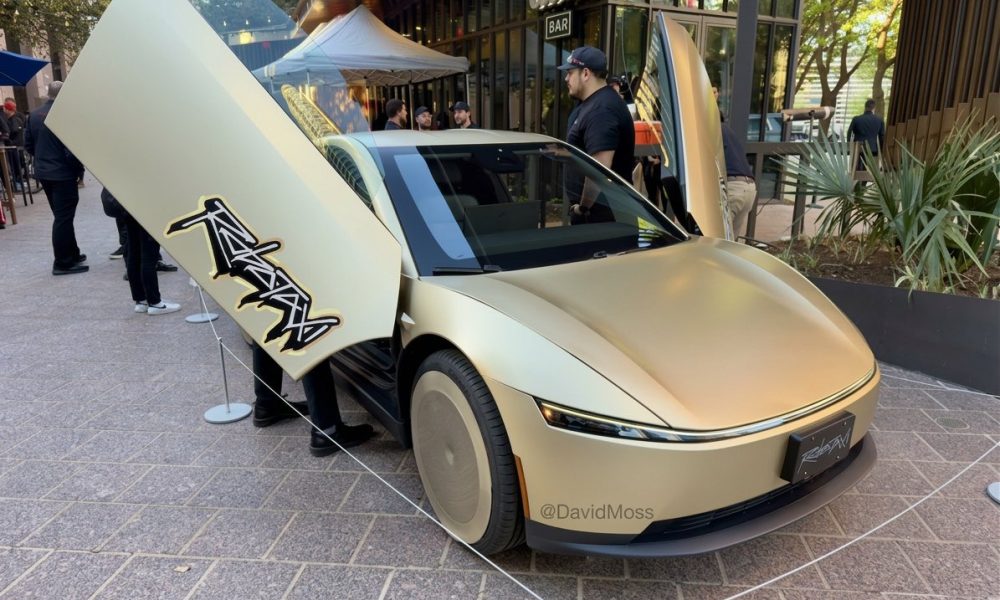
The pivotal update centers on the vehicle's entry system. Prototypes and early designs suggested unconventional access, but Tesla has now solidified a plan for falcon-wing doors on the rear passenger side of the Robotaxi. This is not merely an aesthetic callback to the Model X. In a vehicle designed solely for ride-hailing, traditional doors could create significant challenges in tight urban spaces. The vertical articulation of falcon-wing doors allows passengers to enter and exit cleanly from the curb without ducking or squeezing, a major advantage during busy pick-ups and drop-offs. It transforms the vehicle from a car into a dedicated passenger pod, prioritizing ease of access above all else.
Engineering for Scale and Reliability
The choice is as much about practicality as spectacle. Tesla's engineering team has years of experience refining this complex mechanism for the Model X, working to ensure its reliability and sensor-driven safety in countless environments. By adapting a known system, Tesla mitigates risk and leverages existing manufacturing knowledge for a platform that demands unprecedented durability. This decision reflects a maturation of the Robotaxi project—moving from a radical concept to a product being engineered for high-volume, 24/7 commercial service. Every component must withstand thousands of cycles per month, and Tesla is betting its proven door architecture is up to the task.
Beyond mechanics, this design inherently enhances passenger safety and perception. The doors provide a protected, covered entryway in poor weather and clearly delineate the passenger compartment in a vehicle that may lack a traditional B-pillar. For a public still wary of driverless technology, a smooth, deliberate, and spacious entry sequence builds immediate trust and positions the service as a premium, user-centric experience. It’s a small hardware decision with outsized implications for brand perception and adoption.
For Tesla investors and future owners, this detail is a tangible signal of progress. It demonstrates that the Robotaxi is evolving from a vision shared on "Master Plan" slides to a hardware-defined product with solved engineering challenges. The focus on passenger-centric design also hints at the business model's focus on rider satisfaction and retention from day one. For the broader EV and autonomy sector, it’s a reminder that winning the ride-hailing market requires mastering a hundred small details—like how a door opens—just as much as it does the grand challenge of artificial intelligence.