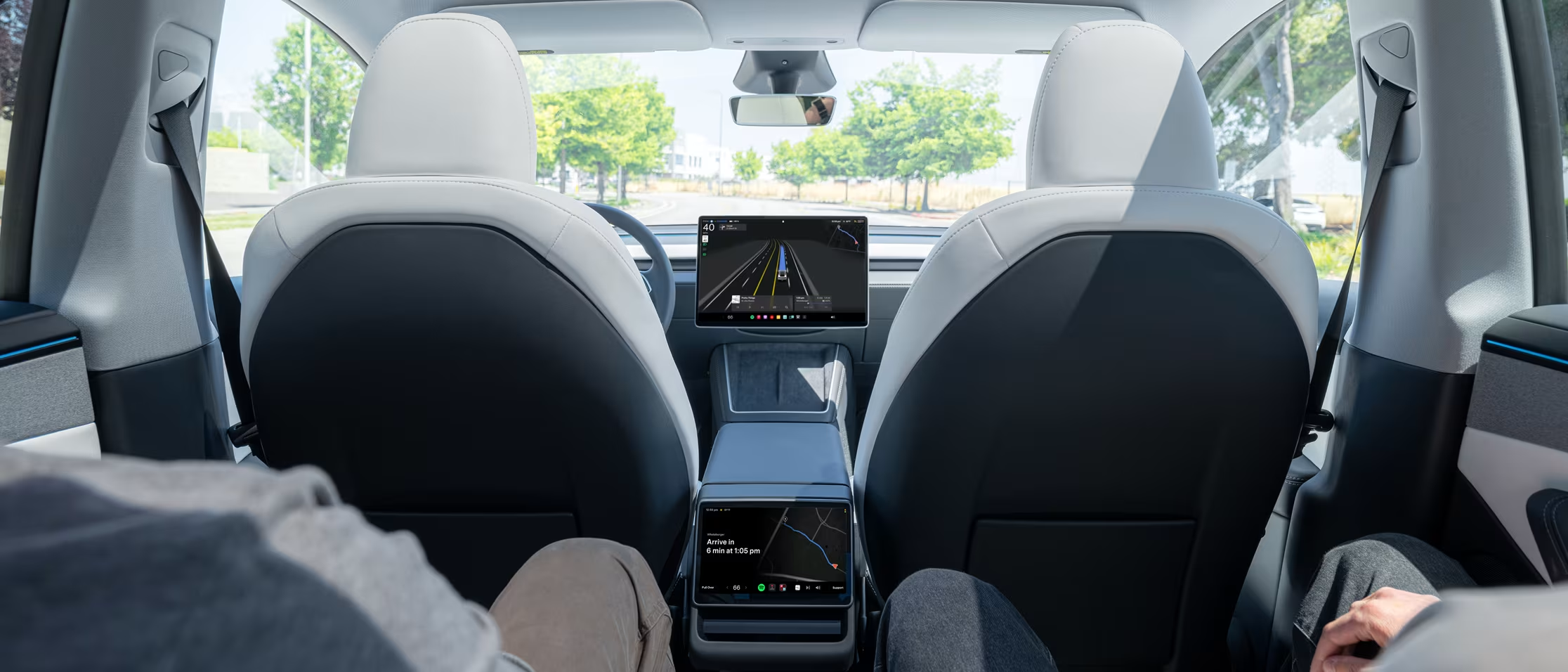
In a move signaling both growing confidence and market pressure, Tesla has quietly increased the base fare for its Robotaxi service in Austin, Texas. This marks the first price hike in over six months for the closely watched autonomous ride-hailing pilot, a program operating within a limited geofenced area for an exclusive group of testers. The unannounced adjustment, spotted by keen-eyed enthusiasts rather than communicated through official channels, arrives amid increasing rider demand for broader access to the futuristic service. This price shift is more than a simple fare change; it's a critical stress test of consumer willingness to pay for autonomous mobility and a potential preview of the service's economic model.
A Stealthy Price Adjustment in a Controlled Market
Tesla's approach to the price increase has been characteristically hands-off, with no formal announcement or detailed rationale provided. The base fare in Austin has been elevated, though the exact new rate and any changes to per-mile or per-minute costs remain parsed from user app data. This opacity is typical of Tesla's iterative, real-world testing philosophy, where the market—even a constrained one—provides direct feedback. The increase suggests Tesla is actively gauging price elasticity within its controlled environment. With a captive audience of early adopters and approved riders, the company can assess how a higher cost point impacts ride frequency and user satisfaction before a potential wider rollout.
Rider Demand Clashes with Strategic Caution
The price jump coincides with persistent rider calls for wider availability of the Robotaxi service. Currently accessible only to a select group in a specific zone, the program's exclusivity has created pent-up demand, highlighting a tension between public enthusiasm and Tesla's deliberate, safety-first scaling strategy. This demand validates the service's appeal but also pressures Tesla to accelerate its timeline. The fare increase could be a mechanism to manage this limited supply, ensuring the fleet is utilized efficiently by the most engaged users while the company continues to refine the underlying Full Self-Driving (FSD) technology. It's a classic economic response to high demand for a scarce commodity.
Implications for the Future of Tesla Mobility
This development in Austin is a microcosm of Tesla's broader ambitions. The price adjustment serves as a live data point for the financial viability of the planned Tesla Network, the autonomous ride-hailing platform Elon Musk has long touted as a cornerstone of the company's valuation. For Tesla investors, the move is a positive signal that the project is advancing beyond pure technology demonstration into early commercial experimentation. It indicates Tesla is thinking critically about unit economics, revenue per ride, and how to balance growth with operational control. For future Tesla owners looking to enroll their vehicles in the network, the Austin test provides a glimpse into how pricing power and rider demand could eventually translate into potential revenue share.
The path forward remains complex. Before a nationwide launch, Tesla must achieve regulatory approvals, prove consistent safety at scale, and navigate the immense logistical challenges of managing a large autonomous fleet. The Austin price hike is a small but definitive step in that journey, proving that in at least one city, people are not just willing to ride in a driverless Tesla—they're willing to pay more for the privilege, and they're asking for more of it.