In the high-stakes race to deploy autonomous ride-hailing, Tesla's long-promised vision appeared to materialize with startling speed in early 2026—only to vanish from public view just as quickly. The company's audacious, two-pronged strategy of launching an unsupervised Robotaxi service while simultaneously ramping production of its purpose-built Cybercab vehicle has created a whirlwind of progress, confusion, and intense scrutiny. This rapid sequence of events marks a pivotal, if chaotic, chapter in Tesla's quest to redefine transportation.
The Austin Flash: A Fleeting Robotaxi Service
In January 2026, Tesla made a bold and largely unheralded move by launching a "unsupervised" Robotaxi service in Austin, Texas. This limited deployment represented the first real-world test of the company's Full Self-Driving (FSD) technology operating commercially without a safety driver behind the wheel. However, within a week of its quiet debut, the service disappeared from the Tesla app interface available to users. This abrupt vanishing act has fueled speculation about whether the withdrawal was a planned pause for data collection and system refinement, a regulatory directive, or a response to unforeseen operational challenges. The incident underscores the immense technical and logistical hurdles of scaling a truly driverless network.
Cybercab Production Begins as Fleet Numbers Clarify
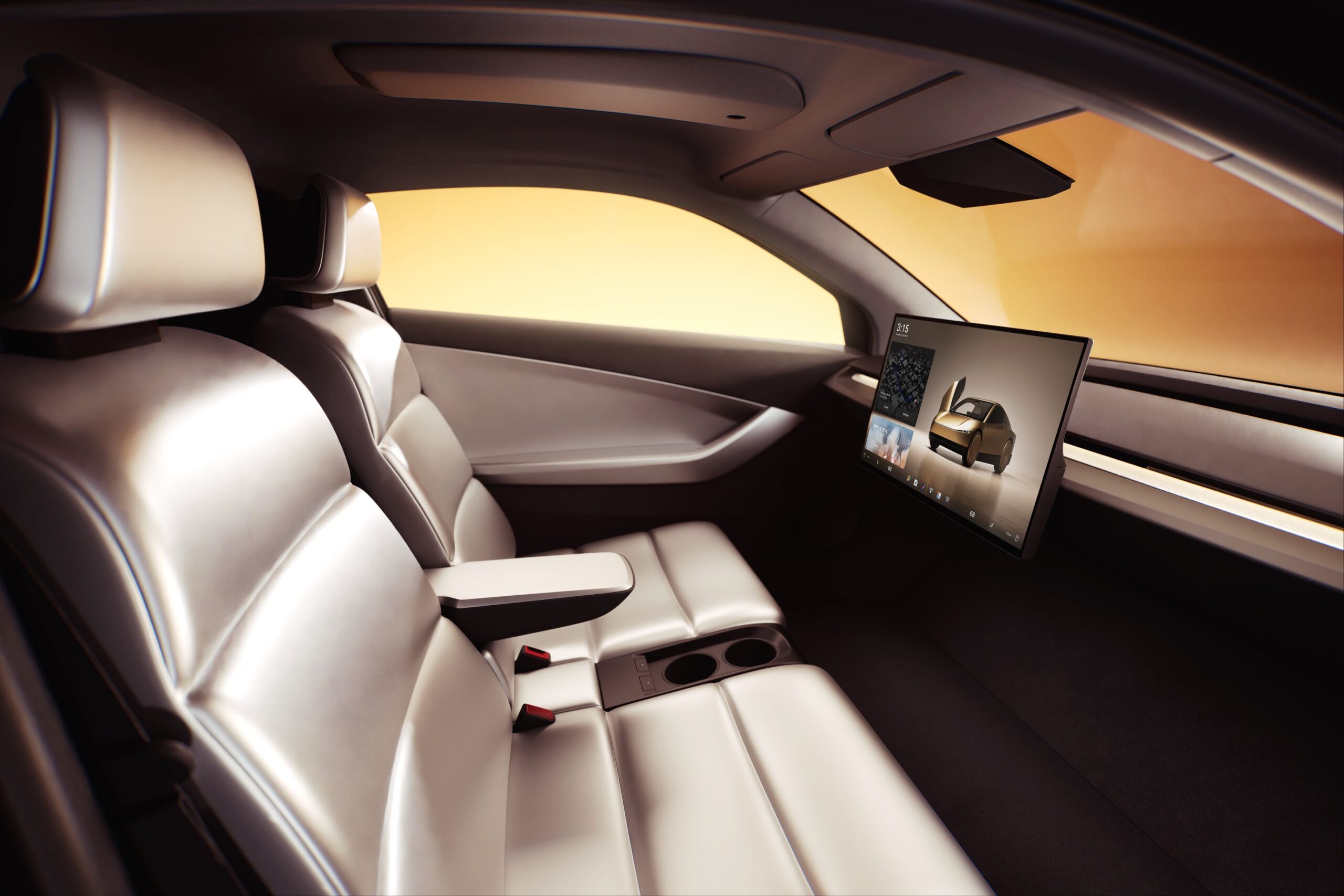
Amidst the Austin service's brief appearance, Tesla hit a critical manufacturing milestone. The first production Cybercab officially rolled off the assembly line on February 17, 2026. This dedicated, futuristic vehicle, designed from the ground up for autonomous ride-hailing with no steering wheel or traditional controls, is central to Elon Musk's vision for a high-utilization, low-cost-per-mile network. Furthermore, new data has clarified the scale of Tesla's existing test fleet. Contrary to early estimates of just "200 Model Y" vehicles, official California DMV registrations reveal Tesla is operating a fleet of 1,655 vehicles in the state for autonomous testing. This substantial figure indicates a far more extensive development and data-gathering operation than previously understood.
Analysis: A Strategic Juggling Act
Tesla's concurrent focus on launching a service with modified consumer vehicles and manufacturing a ground-up robotaxi is a unique and risky strategy. The Austin flash deployment suggests a "launch and learn" mentality, prioritizing real-world data and operational experience over a perfect, wide-scale rollout. The rapid production start of the Cybercab, meanwhile, signals confidence in the underlying FSD software stack and a commitment to the specialized hardware needed for profitability. The revelation of the 1,655-vehicle California fleet confirms that Tesla has been conducting massive, real-world validation, using its customer-owned FSD fleet and this dedicated commercial fleet to train its neural networks aggressively. The core challenge now is transitioning from controlled testing to a reliable, publicly accessible service.
For Tesla owners and investors, these developments carry significant implications. The progress validates the company's software-first approach and suggests its data advantage is immense. However, the rocky, non-linear path to commercialization highlights that regulatory approval and consistent safety performance remain formidable gates. Investors should watch for clearer timelines on the Robotaxi service's re-emergence and the Cybercab's production ramp. For owners, the evolution of FSD software will accelerate, but the near-term financial upside lies in the potential future ability to enroll their personal vehicles in a Tesla-operated Robotaxi network, transforming their asset into a revenue generator—a promise that now feels closer, yet still complex, than ever before.