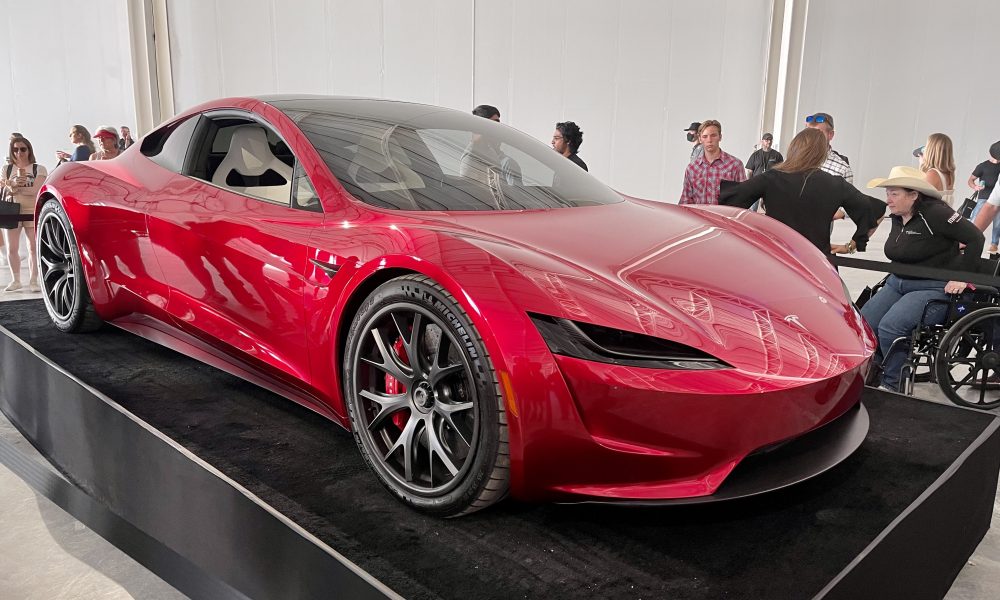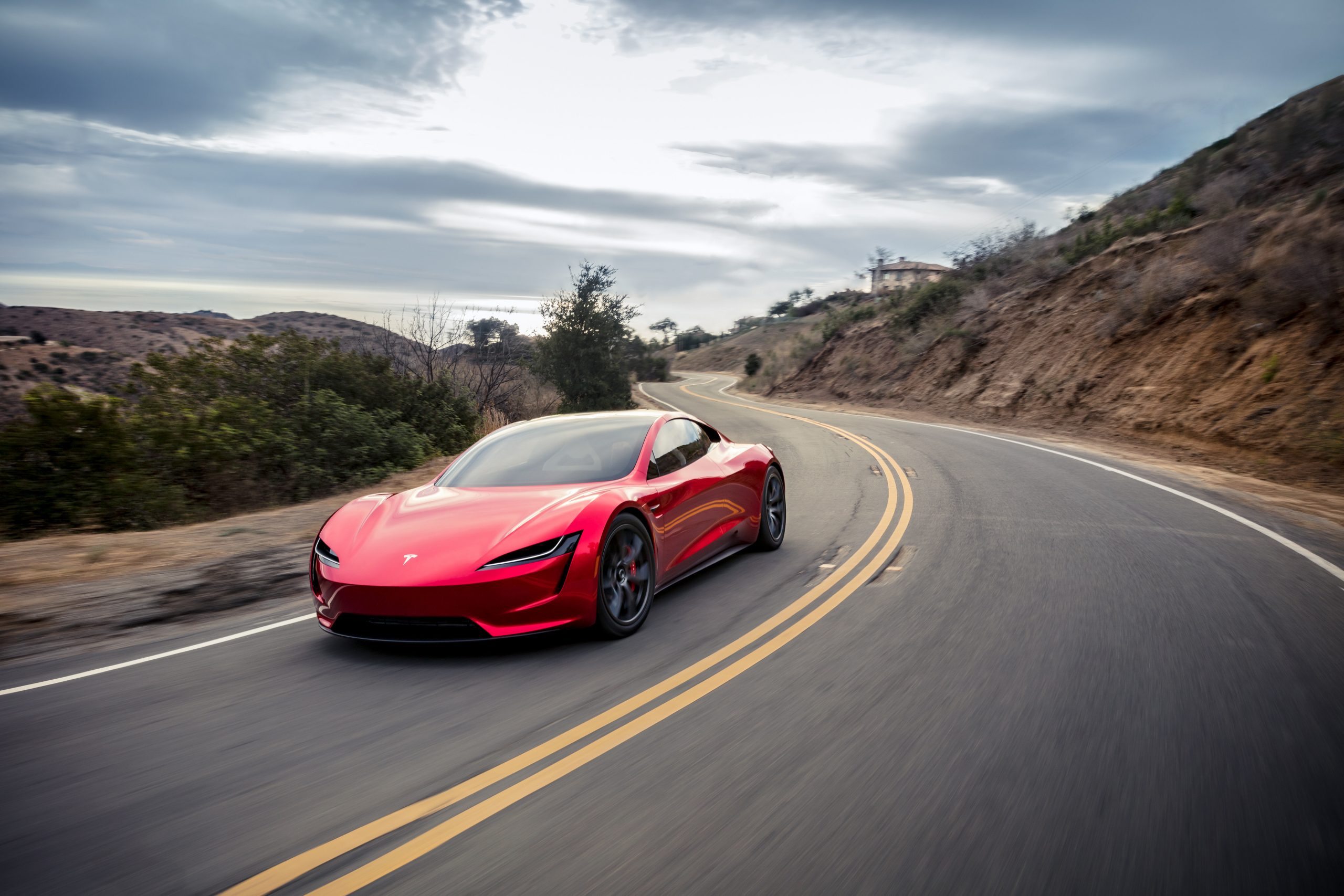
While the automotive world eagerly awaits the return of the Tesla Roadster, a newly published patent suggests the halo car's impact may extend far beyond blistering acceleration. Tesla has revealed detailed plans for an advanced steer-by-wire system, a technology that severs the traditional mechanical link between the steering wheel and the wheels. This move signals a fundamental rethinking of the driver-car interface and positions Tesla to leapfrog current implementations in the EV market, potentially debuting the system in its most anticipated vehicle.
Decoding the Patent: Precision and Customization
The patent, titled "Steering System with Feedback," outlines a system far more sophisticated than a simple electronic connection. It describes using multiple, independent steering actuators—one for each wheel—controlled by a central processor. This architecture allows for unprecedented precision, enabling features like ultra-tight turning radii and dynamic adjustments to steering feel based on speed or driving mode. Crucially, the system includes a sophisticated feedback mechanism, using sensors and actuators to simulate realistic road feel through the steering wheel, addressing a common criticism of earlier steer-by-wire concepts that felt numb and disconnected.
The Roadster Connection and Beyond
The timing of this patent publication is highly suggestive. With the next-generation Roadster promised to be a technology flagship, it is the perfect candidate to introduce such a transformative system. A steer-by-wire setup would align with the Roadster's mission to demonstrate "maximum fun-to-drive," offering customizable steering responses that could range from a relaxed cruiser to a track-honed razor. Furthermore, eliminating the bulky steering column would free up cabin space and enhance safety in a crash, while also paving the way for future innovations like a retractable or alternative steering interface, which is essential for a fully autonomous driving future.
For Tesla owners and investors, this patent is a clear indicator of the company's long-term roadmap. The introduction of a proprietary, software-defined steering system would create another high-margin, differentiating technology for Tesla's portfolio, similar to its vertical integration in battery and chip design. It reinforces Tesla's identity not just as a car company, but as a technology disruptor redefining vehicle architecture from the ground up.
The implications are significant. If successfully deployed in the Roadster, this technology will inevitably trickle down to the Model S, X, 3, and Y, offering existing owners a glimpse of a future where their vehicle's handling character can be updated via an over-the-air software patch. For the industry, it represents another challenge from Tesla, pushing competitors to accelerate their own development in electric vehicle chassis innovation or risk falling behind in both performance and driver experience.