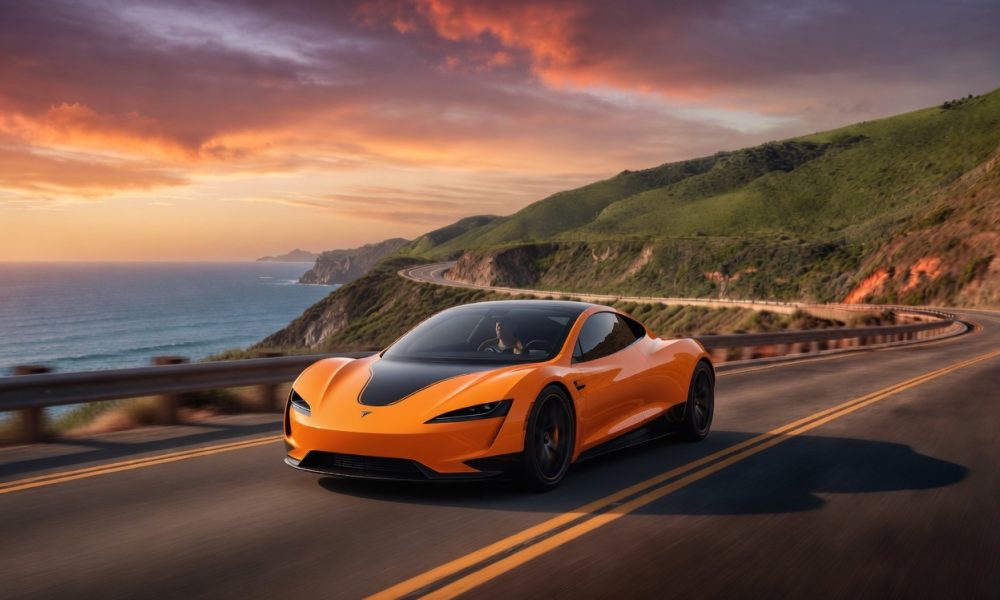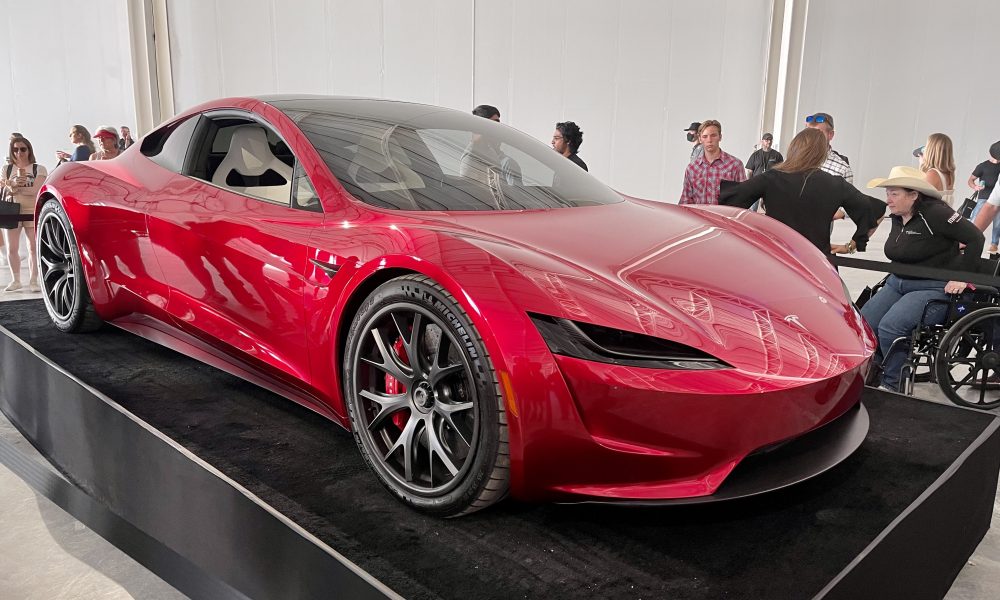
Tesla has quietly filed a new trademark application for its next-generation Roadster, giving enthusiasts their first official glimpse of fresh branding for the long-teased electric supercar. However, for those holding out hope for a production date or performance specs, this update is far from the reveal they were waiting for. The filing, discovered this week, hints at a subtle but strategic shift in how Tesla plans to market the vehicle—but it does nothing to answer the burning question of when the Roadster will actually hit the road.
A Logo Refresh, Not a Launch Date
The trademark application, submitted to the United States Patent and Trademark Office, covers a new logo design for the Roadster nameplate. This marks the first official update from Tesla regarding the model since CEO Elon Musk teased a 0-60 mph time of under 1 second back in 2021. The logo itself features a stylized, streamlined "R" that evokes a sense of speed and aerodynamic precision, aligning with the brand's push into high-performance electric vehicles. Yet, for fans who have been waiting since the original 2017 unveiling, this feels like a placeholder move—a breadcrumb rather than a meal.
Why the Wait? The Roadster's Rocky Road
The next-generation Roadster has become something of a myth in the EV world. Originally promised for 2020, then 2021, and later pushed to "after Cybertruck production ramps," the timeline has been a moving target. Tesla has been preoccupied with scaling the Cybertruck, the Model Y, and its 4680 battery cell production, leaving the Roadster in a state of suspended animation. This trademark update suggests Tesla is still actively developing the car, but it also underscores a harsh reality: the company is prioritizing mass-market vehicles over niche halo cars. The Roadster, once a symbol of Tesla's technological ambition, has been relegated to the back burner.
From a branding perspective, the new logo could signal a design evolution for the Roadster, possibly hinting at a more refined aesthetic than the prototype shown years ago. Automotive analysts note that trademark filings often precede production announcements by months or even years, meaning this is a preliminary step—not a sign of an imminent launch. For context, Tesla filed trademarks for the Cybertruck in 2019, and deliveries only began in late 2023. The Roadster's timeline could follow a similarly glacial pace.
What This Means for Tesla Owners and Investors
For Tesla owners, this update is a double-edged sword. On one hand, it confirms the Roadster project is still alive, preserving the brand's halo-car allure. On the other, it offers no concrete news on availability, pricing, or performance upgrades—leaving reservation holders in limbo. For investors, the trademark filing is a minor positive signal that Tesla isn't abandoning its high-end ambitions, but it's hardly a catalyst for stock movement. The real focus remains on delivery numbers, FSD adoption, and energy storage revenue. The Roadster, while exciting, is a distraction until it becomes a revenue-generating reality.