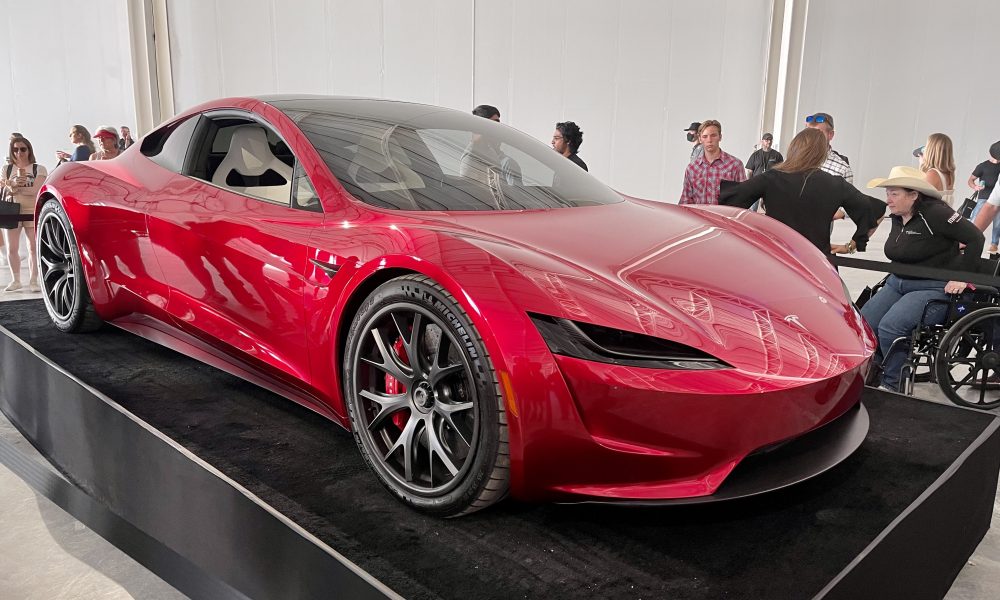
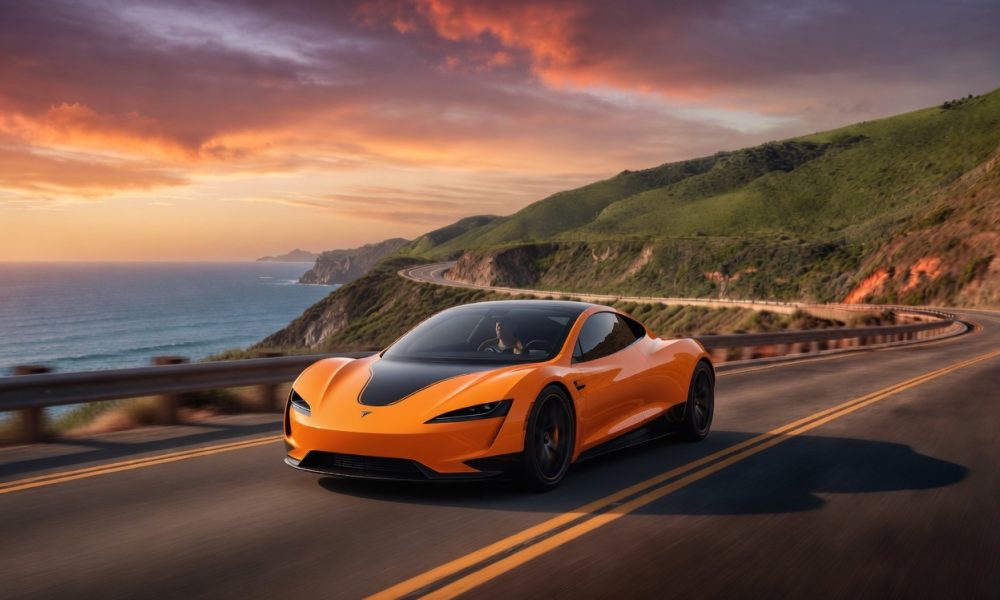
Tesla’s long-awaited next-generation Roadster has been delayed yet again, but this time, CEO Elon Musk has dropped a bombshell that redefines the vehicle's very purpose. Speaking during the company’s Q1 2026 earnings call, Musk suggested the electric supercar could be the last Tesla model offered with a traditional steering wheel and pedals. If true, the Roadster would become a historic artifact—a final hurrah for human-driven performance before the automaker pivots fully to autonomous mobility.
Another Delay, A New Direction
During the earnings call, Musk confirmed that the Roadster’s debut has been pushed back again, now targeting a production start in 2027. While no specific technical or supply chain reasons were cited, the CEO framed the delay as part of a broader strategic shift. “We’re using this extra time to re-engineer the car for a future where manual driving is a niche, not the norm,” Musk said. This marks a dramatic departure from the original 2017 promise of a 1.9-second 0-60 mph rocket. Instead, the company is now positioning the Roadster as a “bridge” vehicle—one that offers the thrill of manual control while incorporating the full suite of Hardware 4 autonomy sensors.
The Last of Its Kind
Musk doubled down on the idea that future Tesla models—starting with the next-generation platform—will likely omit a steering wheel entirely. “The Roadster could be the last manually driven car from Tesla,” he stated. This aligns with the company’s relentless push toward robotaxi operations and a fully self-driving fleet. For enthusiasts, the implication is clear: the Roadster is not just a supercar; it is a collector’s item that represents the end of an era. By equipping it with both manual controls and full self-driving hardware, Tesla is essentially offering a farewell to the driver’s seat. The car will reportedly feature a 200 kWh battery pack and a targeted range of over 600 miles, making it both the fastest and most autonomous Tesla ever built.
Implications for Tesla Owners and Investors
For current Tesla owners, the delayed Roadster signals a clear roadmap: the company is no longer optimizing for human drivers. If you value the tactile experience of piloting a high-performance EV, the Roadster may be your last chance to own a new Tesla with a steering wheel. Investors should view this as a confirmation that Tesla is doubling down on its robotaxi and Full Self-Driving (FSD) monetization strategy. The 2027 timeline suggests the company is prioritizing software and autonomy over hardware hype. While the delay may frustrate reservation holders, the strategic pivot positions the Roadster as a limited-edition masterpiece—one that could command six-figure premiums on the secondary market. For Tesla, this isn’t just a car; it’s a closing chapter in the story of manual driving.