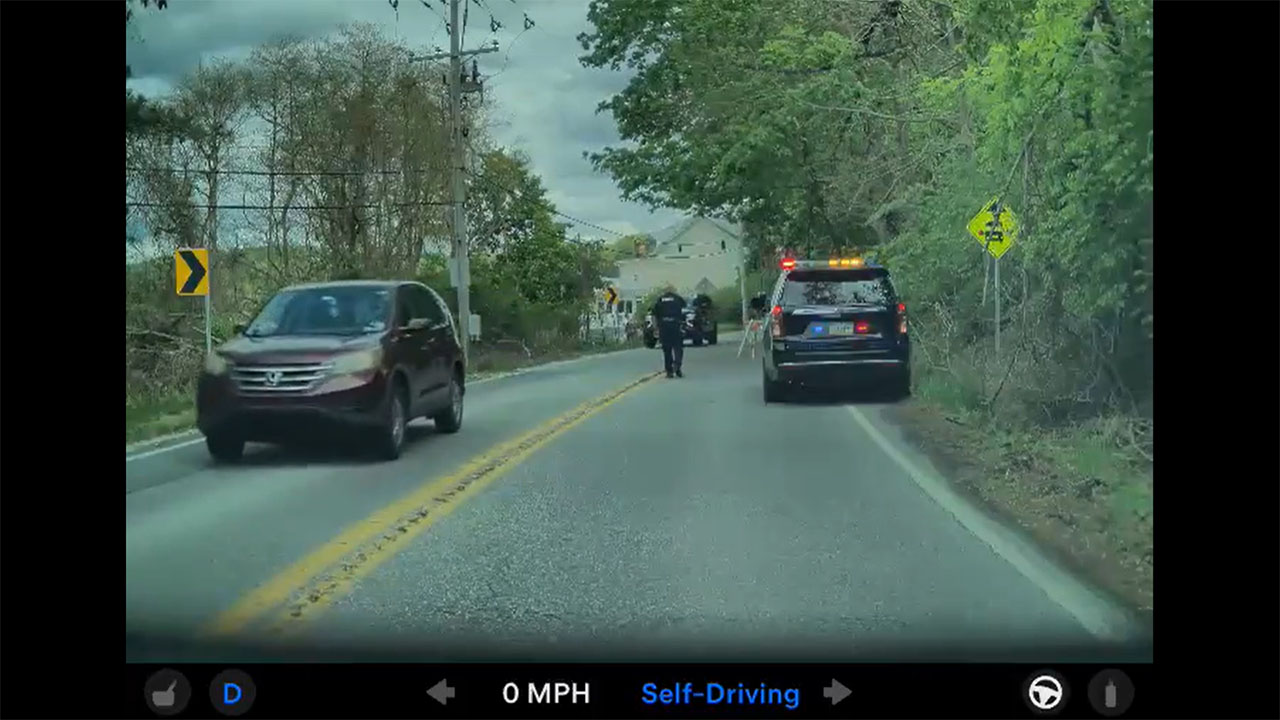
Tesla has ignited a fresh wave of controversy with a tepid promise to bring a pared-down version of its Full Self-Driving software to older vehicles overseas. In a post on X, the company stated it plans to expand FSD V14 Lite to HW3 vehicles in international markets, but only after the U.S. rollout is complete. Crucially, Tesla offered no timeline, leaving owners in Europe and other regions with little more than a vague commitment.
HW3 Owners Face a Growing Backlash
The announcement comes as a direct response to escalating tensions among international Tesla owners. When Tesla launched FSD abroad earlier this year, it did so exclusively for vehicles equipped with the newer HW4 hardware. This left the vast majority of HW3 owners—who paid thousands of dollars for the promise of autonomous driving—feeling abandoned. Social media channels and owner forums have erupted with frustration, with many accusing Tesla of effectively rendering their vehicles obsolete before the technology even matured. The company’s decision to segment its software by hardware region has created a clear divide between early adopters and those who purchased newer models.
The Technical and Strategic Implications of FSD V14 Lite
By promising a “Lite” version of FSD V14, Tesla is implicitly acknowledging that the full FSD stack may be too demanding for the older HW3 computer. This is a significant strategic shift. For years, Tesla CEO Elon Musk insisted that HW3 would be capable of achieving full autonomy. Now, the company is effectively creating a tiered software product to manage hardware limitations. For international owners, the lack of a timeline is especially damaging. There is no guarantee that FSD V14 Lite will arrive in Europe or Asia within the next year, given that the U.S. rollout of the full version has already faced repeated delays. Furthermore, regulatory hurdles in markets like the European Union will likely add another layer of complexity, potentially watering down the feature set even further.
What This Means for Tesla Owners and Investors
For current HW3 owners internationally, this promise offers little immediate relief. The vague commitment suggests that Tesla is prioritizing its newer hardware base, and that legacy owners may continue to receive software features on a delayed, “best-effort” basis. Investors should view this as a sign of growing friction in Tesla’s customer base, which could impact brand loyalty and future sales of the FSD package. If Tesla cannot deliver on its core promise of universal autonomy, the company risks alienating its most passionate advocates. The bottom line: Until Tesla provides a concrete release date and a detailed feature list for FSD V14 Lite, international HW3 owners should temper their expectations and prepare for a long wait.