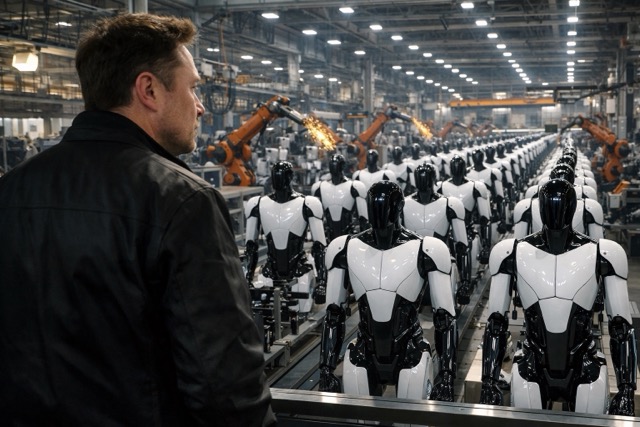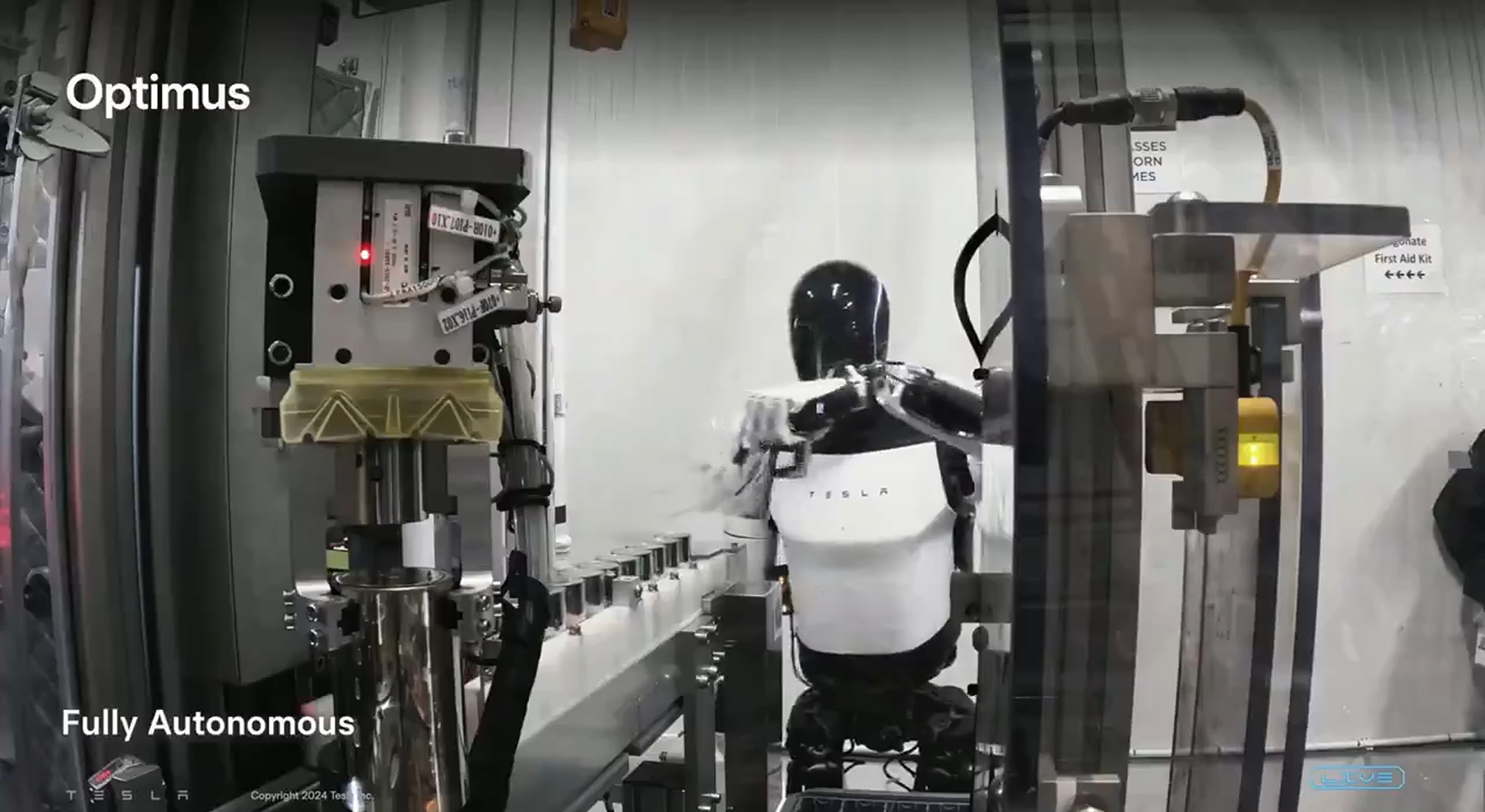
The highly anticipated public unveiling of Tesla's next-generation humanoid robot has been postponed, as the company shifts its focus from a flashy reveal to perfecting the product. In a recent update, CEO Elon Musk confirmed that the Optimus Gen 3 prototype is essentially complete but requires critical "finishing touches" before it is ready for its global debut. This strategic delay signals a pivotal maturation in Tesla's approach to robotics, prioritizing functional readiness over theatrical presentation as it inches closer to a tangible commercial product.
From Prototype to Product: The "Finishing Touches" Phase
According to Musk, the physical build of the Optimus Gen 3 is largely finished. The current phase involves refining the robot's core functionality, specifically its walking capabilities. Engineers are working to ensure the bipedal locomotion is not just stable in a controlled lab environment but is robust and reliable enough for real-world applications. This meticulous calibration of actuators, balance algorithms, and sensor integration is a monumental software and hardware challenge that cannot be rushed. The delay underscores a fundamental truth in robotics: a robot that can walk effectively is infinitely more valuable than one that merely stands for a photo opportunity.
Context: The Accelerated Optimus Timeline
The progress from the stumbling Bumblebee prototype in 2022 to a near-complete Gen 3 in just over two years is, by robotics industry standards, blisteringly fast. Tesla has leveraged its deep expertise in artificial intelligence, battery systems, and advanced manufacturing to accelerate development. The Gen 2 reveal in December 2023 already showcased significant improvements, including faster walking speeds, refined hands, and a more streamlined design. This iterative velocity is a hallmark of Tesla's vertical integration and aggressive engineering culture. However, the current pause for refinement indicates the project is entering a more complex stage where incremental gains in reliability and autonomy are paramount.
Implications for the Future of Work and Tesla's Ecosystem
The potential applications for a capable, mass-produced humanoid robot are vast, spanning from manufacturing and logistics to domestic assistance. For Tesla, Optimus represents more than a new product line; it is a potential force multiplier within its own factories and a long-term bet on the convergence of AI and physical machines. A successfully deployed Optimus could revolutionize Tesla's manufacturing efficiency and cost structure. Furthermore, it would cement Tesla's identity not just as an EV leader, but as a broad-based technology and robotics powerhouse, leveraging a shared AI stack across its vehicles, robots, and future products.
For Tesla investors and observers, this delay is a nuanced signal. It reflects a disciplined, product-focused approach that may push back short-term hype but aims to de-risk the long-term ambition. The market will be watching closely for the next update, not just for a walking robot, but for demonstrations of practical, repeatable tasks. For potential future customers in industry, the emphasis on "finishing touches" is a reassuring commitment to utility over spectacle. The success of Optimus Gen 3 will ultimately be measured not by its reveal date, but by its first day of productive work.